July 24, 2025
World Court issues landmark advisory opinion on climate obligationsnot binding law

International law recognizes climate damage but lacks enforcement
🌱Environment📜Constitutional Law🌍Foreign Policy
July 24, 2025
International law recognizes climate damage but lacks enforcement
International Court of Justice President  Judge Iwasawa Yuji delivered the unanimous advisory opinion on Jul. 23, 2025, after a two-year legal proceeding that began when Vanuatu led 132 co-sponsoring countries including Australia and New Zealand to request clarification on states' climate obligations. The 15-judge panel ruled unanimously that countries have binding legal duties to limit global warming to 1.5°C above pre-industrial levels under the Paris Agreement.
 Ralph Regenvanu, Vanuatu's Minister of Climate Change and Environment, spearheaded the global campaign that originated from Pacific Island Students Fighting Climate Change (PISFCC) in 2019. The student movement from University of the South Pacific in Fiji transformed a university assignment into international legal action, inspiring Vanuatu to bring the case to the world's highest court.
The ICJ declared that countries breaching climate obligations incur legal responsibility and may be required to cease wrongful conduct, offer guarantees of non-repetition, and make full reparations including restitution, compensation and satisfaction. The Court established that a 'sufficient direct and certain causal nexus' between wrongful acts and climate injury can trigger reparations liability.
Professor Jorge Viñuales from Cambridge University, who served as key legal counsel for Vanuatu, explained the ruling's scope encompasses not just greenhouse gas emissions but also conduct that leads to emissions including fossil fuel production and subsidies that increase production and consumption. The Court rejected major emitting states' arguments that climate obligations should be limited to existing UN frameworks.
The Court established that the human right to a 'clean, healthy and sustainable environment' is essential for enjoying other human rights, elevating climate protection beyond environmental law into fundamental human rights doctrine. This interpretation transforms climate inaction from policy disagreement into human rights violation with legal consequences.
Vanuatu contributed less than 0.0004% of global cumulative greenhouse gas emissions between 1962 and 2022 but faces disproportionate climate impacts including three Category 4 or higher cyclones in 2023 that impacted 200,000 residents and cost over $400 million. The advisory opinion directly addresses this inequity by establishing legal pathways for climate-vulnerable nations to seek compensation.
UN Secretary-General  António Guterres called the ruling 'a victory for our planet, for climate justice and for the power of young people to make a difference,' emphasizing how student activism drove the legal case from conception through implementation. The decision gives climate activists worldwide new legal ammunition to challenge government inaction in domestic and international courts.
The 133-page advisory opinion clarifies that while not legally binding, it provides authoritative guidance that courts worldwide can reference in climate litigation. Legal expert Joana Setzer from London School of Economics noted this marks 'the first time the world's highest court has made clear that states have a legal duty not only to prevent climate harm – but to fully repair it.'
What is Cook's planned legal response to Trump's firing attempt?
While the ICJ advisory opinion isn't legally binding, it will carry no weight in future court cases or international negotiations.
The ICJ ruling establishes climate obligations based on _____ international law, _____ rights law, and the law of the _____. These obligations require states to take _____, substantial, rapid and _____ measures to reduce greenhouse gas emissions.
The World Court's July 2025 climate ruling has no enforcement army or police. What makes "toothless" advisory opinions actually powerful?
The World Court ruling establishes that countries must phase out fossil fuels to comply with international climate law.
Upgrade to Premium to access all practice questions and unlock advanced quiz features.
Upgrade to PremiumThese questions are part of the World Court issues landmark advisory opinion on climate obligationsnot binding law topic. Master this topic by completing the quiz or exploring each question in detail.
Take the full quiz to master this topic and track your progress.
Start Quiz
International Court of Justice President

Vanuatu Minister of Climate Change and Environment
Cambridge University legal expert
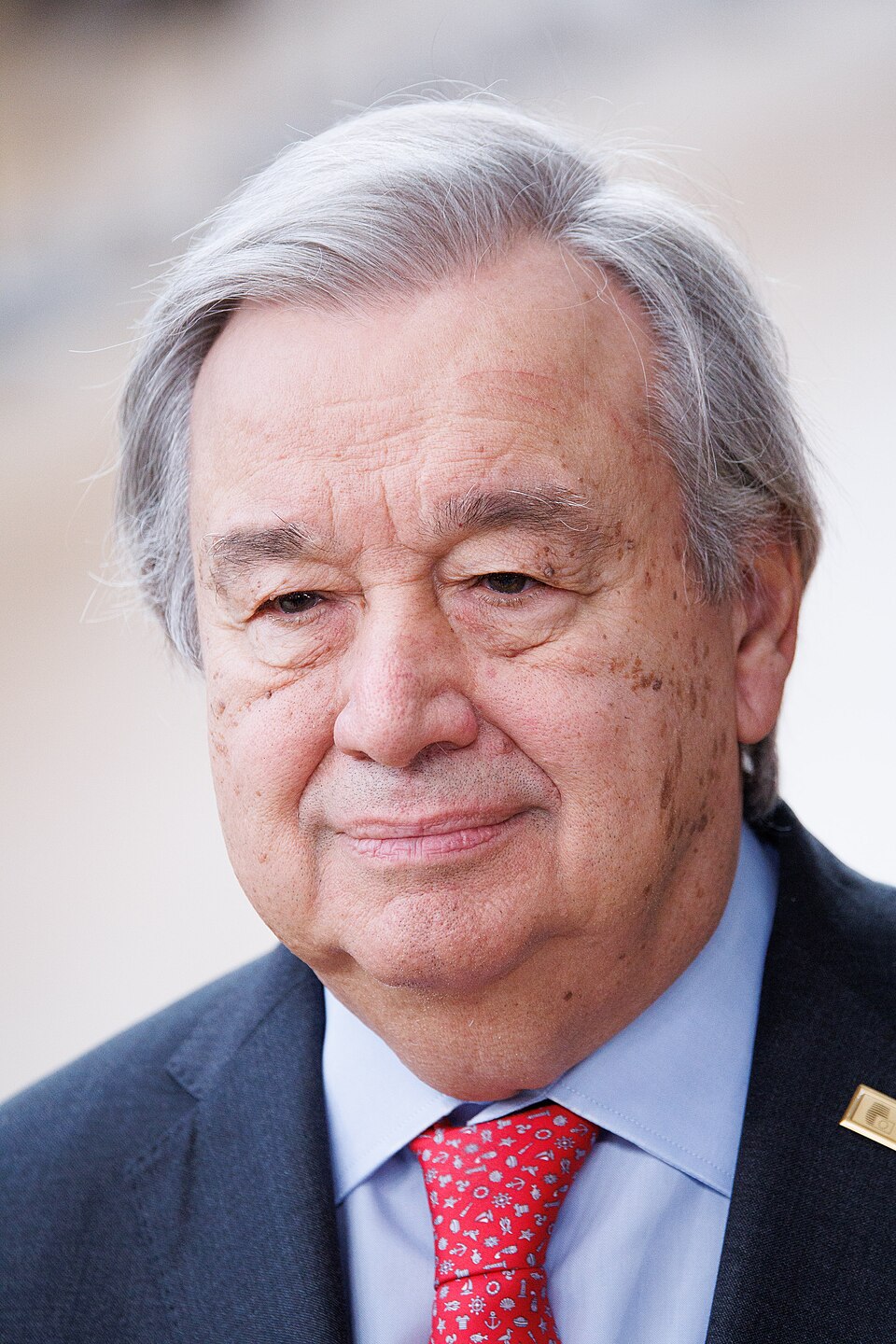
UN Secretary-General