October 15, 2025
19 congressional seats at stake as Supreme Court weighs gutting Voting Rights Act


Court asks whether Louisiana creating second majority-Black district violates the Constitution
👨⚖️Judicial Review✊Civil Rights
October 15, 2025
Court asks whether Louisiana creating second majority-Black district violates the Constitution
The Supreme Court heard oral arguments on Oct. 15, 2025, in Louisiana v. Callais (No. 24-109). The case challenges Section 2 of the Voting Rights Act of 1965, which for 39 years has required states to create districts where large, cohesive minority groups can elect candidates of their choice.
Louisiana population is 31 percent Black
A 2022 redistricting plan created only one majority-Black congressional district out of six
A federal court ordered Louisiana to redraw the map In Jan. 2024, Louisiana legislature passed Senate Bill 8 creating a second majority-Black district.
Both majority-Black districts elected Democrats in 2024. Cleo Fields won Louisiana 6th District. A group of white voters then sued, arguing the map violates the 14th and 15th Amendments by considering race.
Louisiana switched sides. Governor Jeff Landry and Attorney General Liz Murrill now argue against their own map. The Trump Justice Department filed a brief supporting Louisiana, arguing for a narrower Section 2 requiring proof of intentional discrimination rather than just discriminatory effects.
Justice Brett Kavanaugh, who upheld Section 2 just two years ago, asked during oral arguments whether race-based remedies should have a time limit. Three conservative justices—Thomas, Alito, Gorsuch—suggested race-conscious redistricting violates the Constitution unconditionally.
Chief Justice Roberts, who wrote the 2023 opinion upholding Section 2, sounded skeptical. He asked whether Louisiana map was not predominantly based on race when it runs like a snake from one end of the state to the other.
Thornburg v. Gingles (1986) established that Section 2 prohibits redistricting diluting minority voting power even without proof of intentional discrimination. The ruling requires showing three conditions: minority group is large and compact enough to form a voting majority, votes cohesively, and majority racial group votes as a bloc to defeat the minority preferred candidate.
If the Supreme Court overturns Gingles, the Trump administration framework would require plaintiffs to prove intentional discrimination. Voting rights advocates say this would make Section 2 nearly impossible to enforce.
Republican strategists estimate overturning Section 2 would allow 12 to 19 new GOP House seats. States including Louisiana, Florida, Georgia, Missouri, North Carolina, South Carolina, Tennessee, Texas, Mississippi, and Alabama could eliminate majority-minority districts.
The Court likely will rule by Jun. 2026. If it rules quickly, Republican states could redraw districts before the 2026 midterm elections.
Black Louisianians make up roughly what fraction of the state population?
Who sued Louisiana claiming the 2024 map with two majority-Black districts is unconstitutional?
In 2023, the Supreme Court ruled in Allen v. Milligan that Alabama violated Section 2. What did Alabama have to do?
Section 2 of the Voting Rights Act prohibits election practices that have what effect?
Thornburg v. Gingles is a 1986 Supreme Court case that established how to prove Section 2 violations. How old is this precedent that the Court now appears ready to overturn?
Upgrade to Premium to access all practice questions and unlock advanced quiz features.
Upgrade to PremiumThese questions are part of the 19 congressional seats at stake as Supreme Court weighs gutting Voting Rights Act topic. Master this topic by completing the quiz or exploring each question in detail.
Take the full quiz to master this topic and track your progress.
Start QuizConservative swing justice
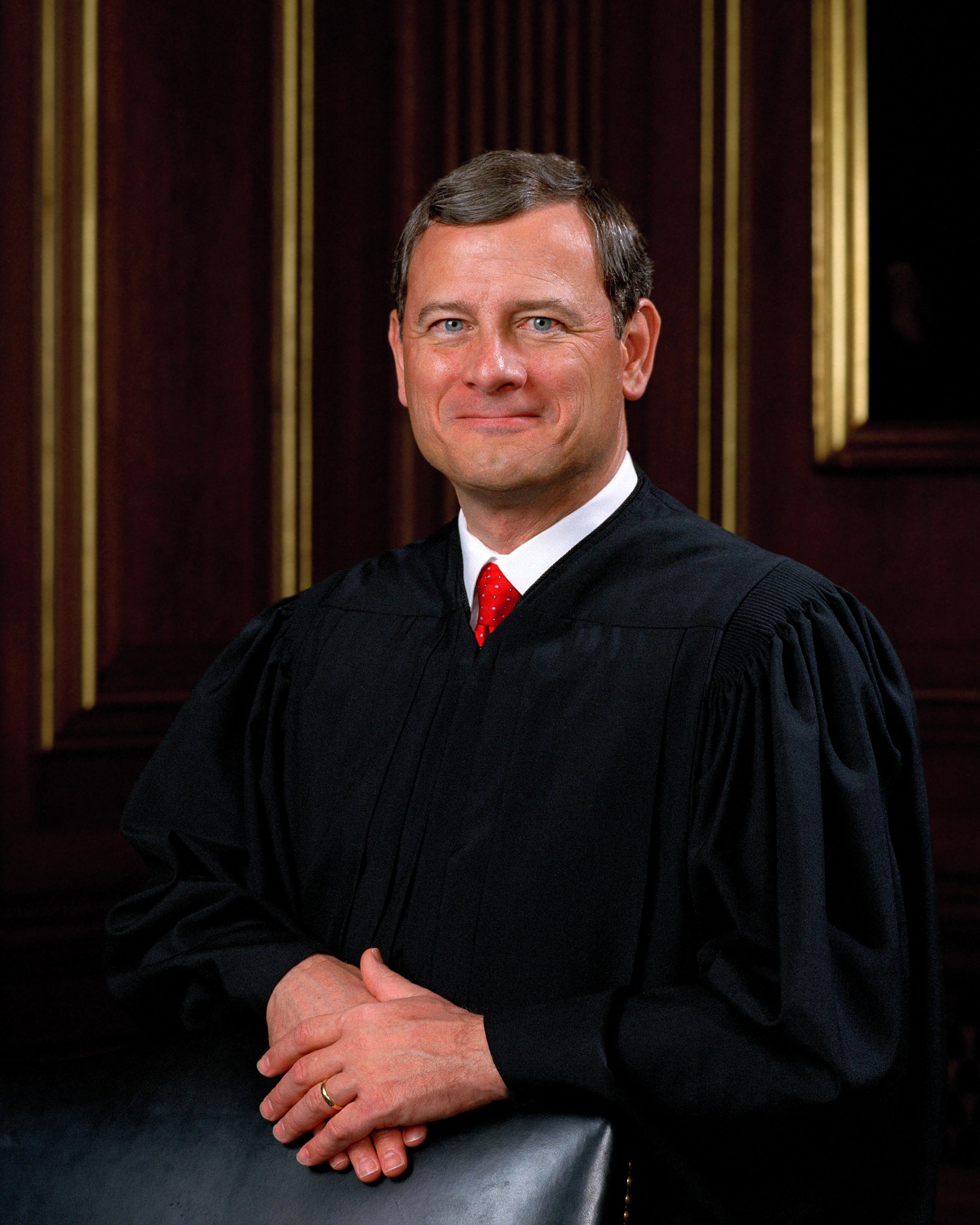
Conservative chief justice
Louisiana governor
Democratic congressman from Louisiana 6th District