December 28, 2025
Zelenskyy claims Ukraine peace plan 90% complete


Security guarantees agreed, but territorial disputes remain unresolved
🌍Foreign Policy🛡️National Security🏛️Government
December 28, 2025
Security guarantees agreed, but territorial disputes remain unresolved
Ukrainian President Zelenskyy stated ahead of his Dec. 28, 2025 meeting with President Trump that about 90% of the terms of a 20-point peace plan had been agreed upon by negotiating teams. The remaining 10% involves territorial disputes and enforcement mechanisms. Zelenskyy said the incomplete portions are the toughest issues.
After the meeting at Mar-a-Lago in Palm Beach, Florida, Zelenskyy confirmed that while overall 90% of the plan had achieved agreement, the United States and Ukraine had agreed 100% on security guarantees and the military dimension. The security guarantees would commit the U.S. and European allies to defend Ukraine if Russia attacks again.
The meeting followed Trump's phone conversation with Russian President Putin that lasted more than an hour. Trump didn't disclose details of the Putin call before meeting Zelenskyy. Critics say Trump should've included Ukraine in the Putin conversation to avoid undermining Ukraine's negotiating position.
Zelenskyy drafted the 20-part framework in response to the Trump administration proposing a 28-point plan to end Russia's war in Ukraine. Zelenskyy's plan includes security guarantees from the U.S. and Europe for Ukraine and the ability to join the European Union at a specific date. The 20-point plan doesn't explicitly concede territory to Russia.
Despite the progress, the talks produced no visible breakthrough on the sensitive issue of Ukrainian territory. Trump acknowledged that one or two very tough issues remained outstanding, including the status of the eastern Donbas region. Russia currently occupies roughly 20% of Ukrainian territory including Crimea.
Trump said Russia and Ukraine are maybe very close to a peace deal after the Zelenskyy meeting. Trump has repeatedly claimed he could end the war quickly. Critics worry the pressure for a quick deal could force Ukraine to accept unfavorable terms including permanent territorial losses.
Some lawmakers expressed concern about excluding Ukraine from key negotiations between Trump and Putin. The U.S. has historically maintained a policy of nothing about Ukraine without Ukraine. Direct Trump-Putin talks without Ukrainian representation could undermine that principle.
A peace deal requires both Ukraine and Russia to agree to terms for it to be effective.
Trump claimed the talks had covered 95% of issues needed to end the war.
Ukraine has consistently sought formal NATO membership guarantees.
Who was notably absent from the Trump-Zelenskyy peace talks?
What percentage of the peace plan did leaders say was agreed upon?
Upgrade to Premium to access all practice questions and unlock advanced quiz features.
Upgrade to PremiumThese questions are part of the Zelenskyy claims Ukraine peace plan 90% complete topic. Master this topic by completing the quiz or exploring each question in detail.
Take the full quiz to master this topic and track your progress.
Start Quiz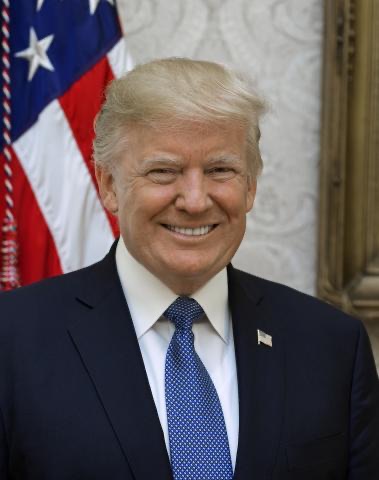
President of the United States
President of Ukraine
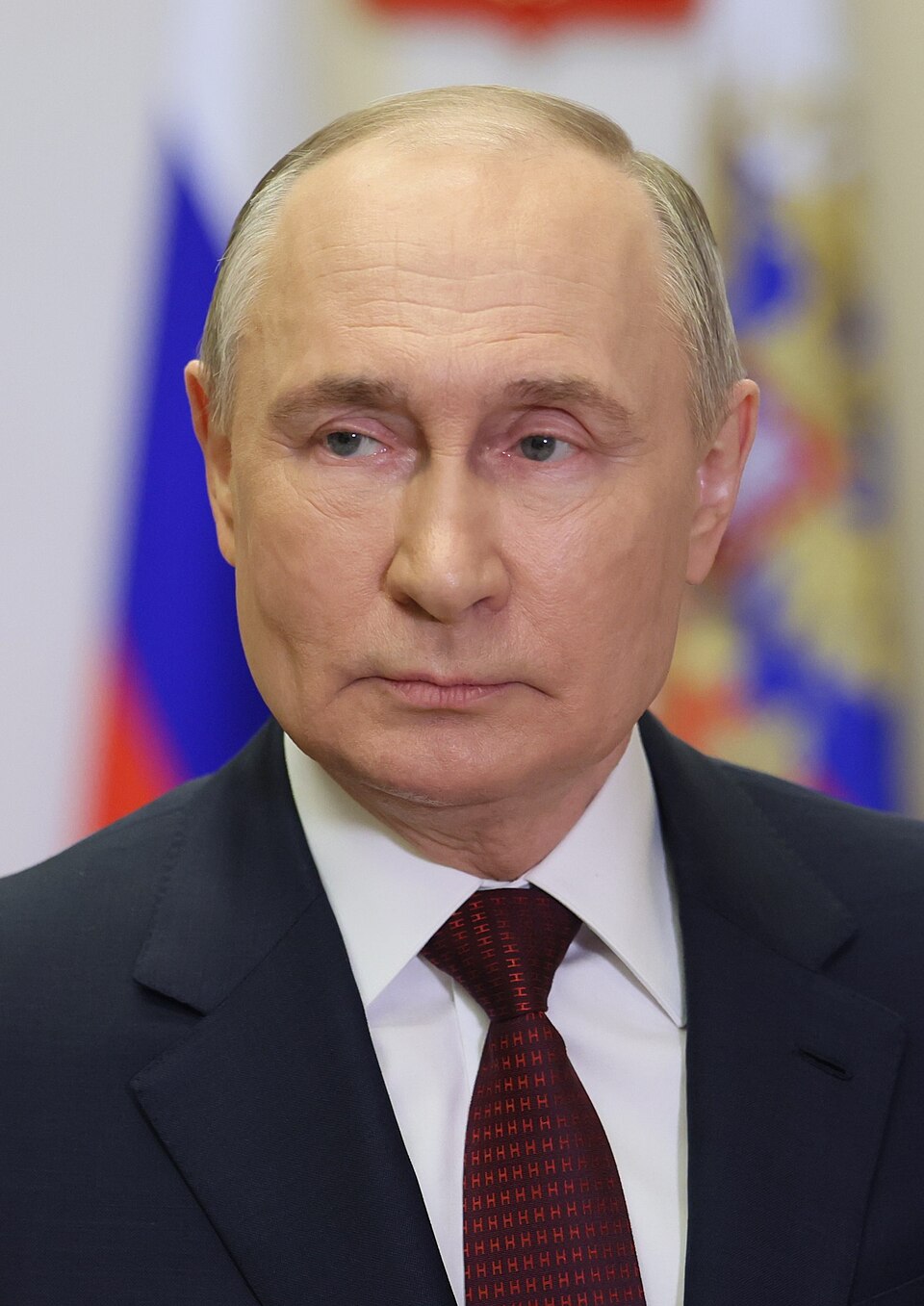
President of Russia
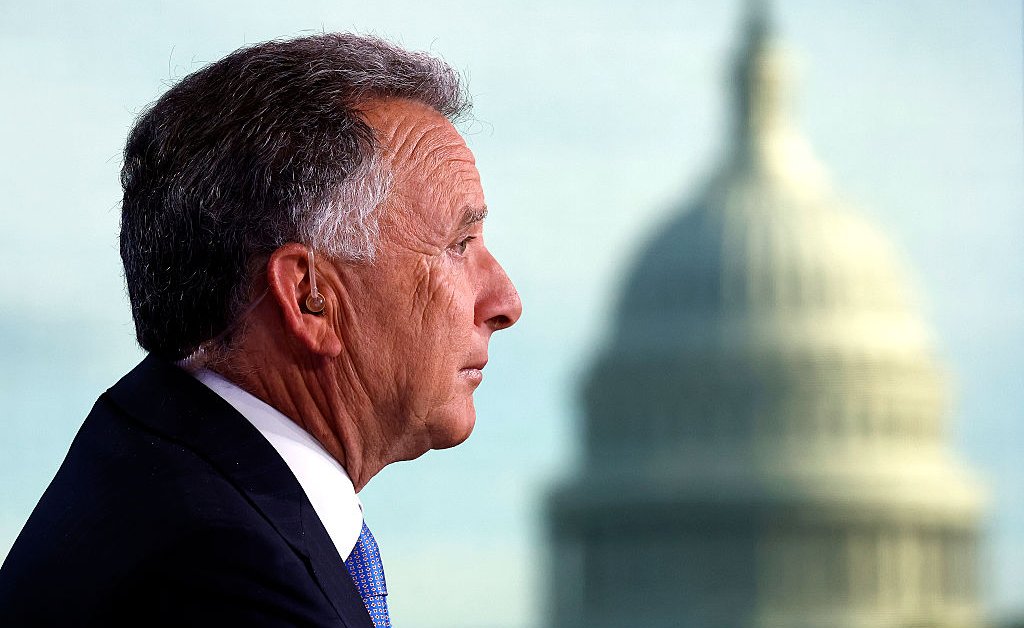
Trump Special Envoy for Ukraine Peace
Trump Son-in-Law, Informal Adviser
Kremlin Foreign Policy Adviser
Russian Special Envoy, Head of Russian Direct Investment Fund
Secretary of State
civic action
Contact representatives about congressional oversight of Ukraine peace negotiations
Demand Congress assert its constitutional role in foreign policy through hearings on peace terms, security guarantees, and use of informal envoys
Hi, I'm calling to demand congressional oversight of Ukraine peace negotiations.\n\nKey points:\n- Trump is negotiating Ukraine's territorial concessions to Russia\n- Security guarantees may commit U.S. to defending Ukraine without Senate treaty approval\n- Trump uses informal envoys (Kushner, Witkoff) instead of State Department\n- Trump expresses sympathy for Putin's positions before meeting Zelenskyy\n\nQuestions:\n- Will the committee hold hearings on the peace plan terms?\n- Will Congress approve any security guarantees as required for binding commitments?\n- Will they investigate conflicts of interest in Kushner's involvement?\n\nRequest: Hold oversight hearings and ensure any security guarantees receive Senate approval as treaties require.\n\nThank you.
civic action
Support organizations providing humanitarian aid to Ukraine
Ongoing fighting and Russian attacks create humanitarian crisis. Support organizations providing food, medical supplies, and shelter to affected Ukrainians
understanding
Research the legal status of executive security guarantees vs. treaties
Understand the constitutional difference between executive agreements (not binding on future presidents) and treaties (Senate approval required, binding international law)