January 7, 2026
U.S. exits 66 international bodies including UN climate treaty

U.S. exits foundational climate treaty ratified by Senate in 1992
🏛️Government🌍Foreign Policy🌱Environment
January 7, 2026
U.S. exits foundational climate treaty ratified by Senate in 1992
Trump signed a presidential memorandum on Jan. 7, 2026, withdrawing the United States from 66 international organizations
The memo directs all executive departments and agencies to cease participating in and funding 35 non-UN organizations and 31 UN entities
Nearly half the targeted bodies are UN-related agencies, commissions, and advisory panels Trump signed the order following a review he ordered in Feb. 2025 via Executive Order 14199.
The United States is exiting the UN Framework Convention on Climate Change, a foundational treaty ratified by the Senate in 1992 under President George H.W. Bush. The treaty underpins all international efforts to combat global warming.
Exiting it goes beyond Trump's 2017 withdrawal from the Paris Agreement by abandoning the underlying treaty structure. Other climate-related bodies include the Department of Economic and Social Affairs and multiple UN economic commissions.
Secretary of State conducted the review and reported findings on which organizations are 'contrary to the interests of the United States.' Trump said he considered the report and, after deliberating with his Cabinet, determined it's in U.S. interests to withdraw from all 66 entities. The White House released the complete list of targeted organizations on Jan. 8, 2026.
The White House said the withdrawals will 'end American taxpayer funding and involvement in entities that advance globalist agendas over U.S. priorities.' The statement described many organizations as 'a waste of taxpayer dollars' that promote 'radical climate policies, global governance, and other ideologies opposed to American sovereignty.' The administration framed the decision as restoring American independence and sovereignty.
Many targeted organizations focus on climate, labor standards, migration, development assistance, gender equality, and conflict resolution. The Trump administration categorized these as catering to 'diversity and woke initiatives.'
UN entities include the Economic and Social Council's regional commissions for Africa, Latin America and the Caribbean, Asia and Pacific, and Western Asia. Groups working on democracy promotion and human rights are also on the list.
The mass withdrawal represents America's further retreat from global cooperation on multilateral challenges. The U.S. is exiting forums for climate negotiations, labor protections, and development coordination that took decades to build.
Allied nations including European countries have expressed concern about the withdrawals undermining international institutions. Climate advocates warn that U.S. exit from the Framework Convention on Climate Change damages global efforts to address warming.
The memo gives no timeline for completing withdrawals or transitioning U.S. roles in these organizations. International treaties often have formal withdrawal procedures requiring notice periods.
The Framework Convention on Climate Change withdrawal likely requires notification to the UN Secretary-General. Some organizations may lose significant funding with U.S. exit, as the U.S. has historically been among the largest contributors to UN bodies and international institutions.
MSI Reproductive Choices reported clinics shut and medical supplies ran out.
How many international organizations did Trump withdraw from on Jan. 7, 2026?
Who executed Trump's withdrawal directive across government agencies?
What label did the White House use to justify these withdrawals?
Which organization funds children's programs and remains U.S.-funded?
Upgrade to Premium to access all practice questions and unlock advanced quiz features.
Upgrade to PremiumThese questions are part of the U.S. exits 66 international bodies including UN climate treaty topic. Master this topic by completing the quiz or exploring each question in detail.
Take the full quiz to master this topic and track your progress.
Start Quiz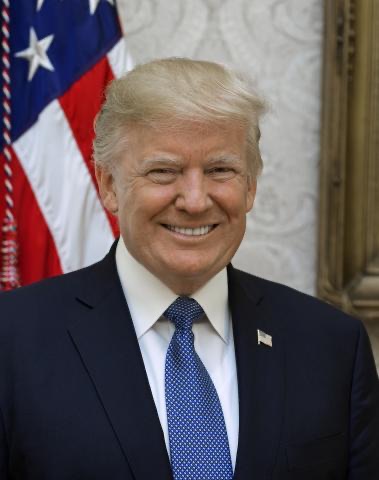
President of the United States
Secretary of State
Senior Scholar, Georgetown Center for Global Health Policy and Politics
California Governor
Head, Asia Society Policy Institute
Former White House National Climate Adviser (Biden administration)
Heritage Foundation Analyst
UN Secretary-General
civic action
Contact Congress demanding oversight on treaty withdrawal authority
The UNFCCC was Senate-ratified in 1992. Legal experts question whether the president can unilaterally withdraw from Senate-ratified treaties. Demand hearings on constitutional separation of powers.
Hi, I'm calling to demand oversight hearings on President Trump's withdrawal from Senate-ratified treaties.
Key points to mention:
Questions to ask:
Specific request: I want the Senate Foreign Relations Committee to investigate whether Trump has constitutional authority to withdraw from the UNFCCC and other Senate-ratified treaties without congressional approval.
Thank you for your time.
civic action
Submit public comment opposing withdrawal from climate treaty
The State Department review process may allow public comment periods. Submit detailed comments citing economic, national security, and scientific concerns.
Subject: Public Comment Opposing Withdrawal from UNFCCC
Dear State Department,
I am writing to oppose the withdrawal of the United States from the UN Framework Convention on Climate Change.
Key points to include:
Economic concerns:
Specific request: I urge the State Department to reverse this withdrawal and maintain U.S. participation in the UNFCCC to protect American economic and national security interests.
Thank you for your consideration.
civic action
Support state-level climate action and international cooperation
States like California are continuing climate cooperation despite federal withdrawal. Contact your governor's office to support state participation in international climate initiatives.
Hi, I'm calling to urge my governor to continue state-level climate action and international cooperation.
Key points to mention:
Questions to ask:
Specific request: I want our governor to publicly commit to continuing state-level climate action and participating in international climate initiatives to fill the gap left by federal withdrawal.
Thank you for your time.
understanding
Research and share information on affected organizations' work
Many Americans don't know what UN Women, UNFPA, or IPCC actually do. Research these organizations' work and share factual information to counter "globalist" characterizations.