December 17, 2025
Trump seizes Venezuelan tankers, announces blockade

Blockade disrupts Venezuela's most valuable export as Trump claims seized oil as US asset
🌍Foreign Policy🛡️National Security🏛️Government
December 17, 2025
Blockade disrupts Venezuela's most valuable export as Trump claims seized oil as US asset
On Dec. 11, 2025, U.S. military forces seized the oil tanker Skipper in international waters off Venezuela's coast. Trump announced the seizure at the White House, calling it the largest one ever seized, though he did not specify tonnage or capacity.
Attorney General  Pam Bondi released video of the seizure on X (formerly Twitter) showing U.S. Coast Guard and Navy personnel boarding the vessel.
Venezuela's Foreign Ministry condemned the action as an act of piracy and a violation of international law. The Skipper was allegedly transporting Venezuelan crude oil in violation of U.S. sanctions.
On Dec. 19, 2025, Trump announced a naval blockade of Venezuela to enforce oil sanctions against President Nicolás Maduro's government. Trump said the U.S. would intercept any vessels transporting Venezuelan oil to prevent sanctions evasion.
The announcement followed weeks of U.S. military buildup in the Caribbean, with additional destroyers, frigates, and Coast Guard cutters deployed to the region under Operation Southern Spear. Maritime historians noted blockades are historically considered acts of war under international law, though Trump administration officials called it sanctions enforcement, not a blockade in the traditional sense.
Between Dec. 11, 2025, and Jan. 13, 2026, the U.S. seized multiple tankers attempting to break the Venezuela blockade and filed court warrants to seize dozens more vessels linked to the Venezuelan oil trade. Sources familiar with the operations said the U.S. government targeted tankers flagged to various countries including Russia, Iran, and China.
The seized vessels were escorted to U.S. ports where they face civil forfeiture proceedings. The tanker seizures represent the most aggressive enforcement of Venezuelan oil sanctions since the U.S. imposed them in 2019.
On Jan. 3, 2026, U.S. special operations forces conducted a raid capturing Venezuelan President Nicolás Maduro, according to PBS News reporting on a timeline of U.S. military escalation against Venezuela. The raid marked a dramatic escalation from naval interdictions to direct military action against Venezuela's head of state.
Details of the operation remain classified, but the action triggered international condemnation from Russia, China, Cuba, Nicaragua, and other countries. The capture appears unprecedented in recent U.S. foreign policy—the forcible seizure of a sitting head of state.
The U.S. imposed sanctions on Venezuelan oil exports in 2019 after the Trump administration refused to recognize Maduro's 2018 reelection, which international observers deemed fraudulent. Biden briefly lifted some sanctions in 2023 after Maduro promised free elections, then reimposed them in 2024 after Maduro banned opposition candidate María Corina Machado and declared victory in a disputed Jul. 2024 election despite opposition claims of fraud. Trump's Dec. 2025 blockade represents a return to maximum pressure tactics, aiming to cut off Maduro's primary revenue source.
Venezuela exports approximately 800,000 barrels of oil per day despite U.S. sanctions, according to maritime tracking data. China, Russia, India, and Malaysia purchase most Venezuelan oil through shadow fleet tankers that evade sanctions by turning off transponders, conducting ship-to-ship transfers in international waters, and using shell companies to obscure ownership. The Foundation for Defense of Democracies praised Trump's blockade, calling it overdue enforcement of existing sanctions and arguing Iran deserves the same treatment for its sanctioned oil exports.
Legal experts and maritime historians debated whether Trump's blockade constitutes an act of war under international law. Traditional naval blockades—preventing all ships from entering or leaving a port—are considered acts of war requiring congressional authorization under the U.S. Constitution.
Trump administration officials argued Operation Southern Spear is sanctions enforcement, not a blockade, because it only targets sanctioned cargo (Venezuelan oil), not all maritime traffic. Critics warned the escalation risks military confrontation with Russia or China if U.S. forces intercept their flagged vessels.
Venezuela has significant oil reserves that the US seeks to control.
What type of military action did Trump order against Venezuela?
How many tankers were reportedly seized in the initial operations?
What event reportedly occurred on January 3 that escalated the crisis?
The US blockade only applies to tankers in Venezuelan waters.
Upgrade to Premium to access all practice questions and unlock advanced quiz features.
Upgrade to PremiumThese questions are part of the Trump seizes Venezuelan tankers, announces blockade topic. Master this topic by completing the quiz or exploring each question in detail.
Take the full quiz to master this topic and track your progress.
Start Quiz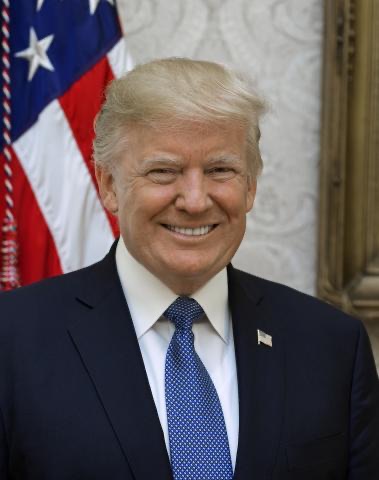
President of the United States
President of Venezuela (captured Jan. 3, 2026)
Venezuelan Opposition Leader (2025 Nobel Peace Prize winner)
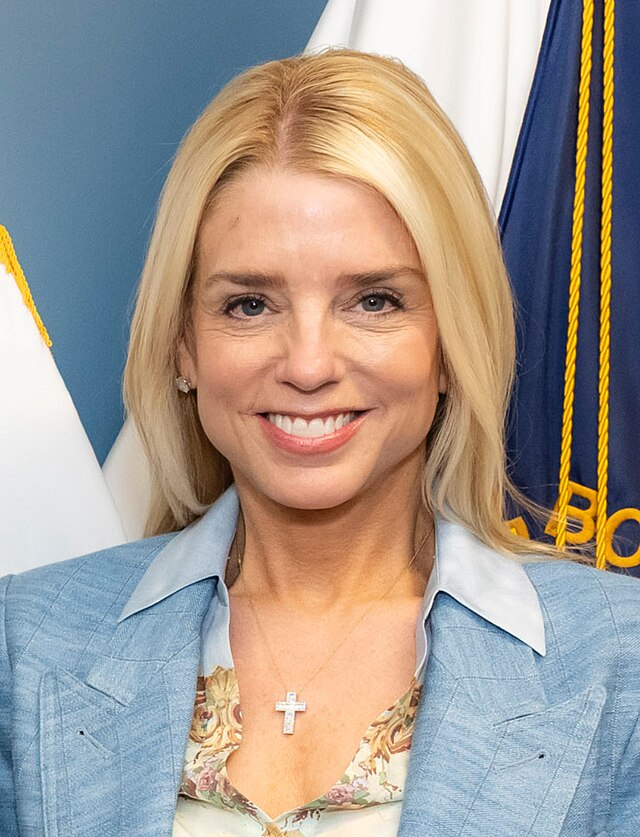
US Attorney General
Venezuelan Opposition Presidential Candidate
Venezuelan Journalist
civic action
Contact Senate Foreign Relations Committee about war powers violation
Trump conducted military operations including tanker seizures, blockade, and strikes without congressional authorization. Demand enforcement of War Powers Resolution requiring congressional approval for sustained military action.
civic action
Support Venezuelans facing TPS termination and deportation
Trump ended Temporary Protected Status for Venezuelans in 2025. Contact immigration advocacy groups to support Venezuelans facing deportation amid the chaos created by US military intervention.