January 9, 2026
Trump blocks courts from seizing Venezuelan oil owed to Exxon
National emergency declared to shield Venezuelan funds from creditors
✊Civil Rights🏛️Government
January 9, 2026
National emergency declared to shield Venezuelan funds from creditors
Trump signed an executive order on Jan. 9, 2026, blocking courts and creditors from seizing Venezuelan oil revenue held in U.S. Treasury accounts. The order invokes the International Emergency Economic Powers Act and declares that attachment or judicial process against the funds would 'materially harm national security and foreign policy.' The emergency order came less than a week after U.S. forces captured Venezuelan leader Nicolás Maduro on Jan. 4, 2026.
The order says the revenue, held in foreign government deposit funds, should be used in Venezuela to create 'peace, prosperity and stability.' Trump cited several justifications including ending illegal immigration, stopping illicit narcotics that have killed 'countless thousands of American citizens,' and protecting American interests against Iran and Hezbollah. The order declares that Venezuelan economic and political stability is critical to U.S. foreign policy objectives.
Exxon Mobil and ConocoPhillips left Venezuela nearly 20 years ago after their assets were nationalized. Both companies are still owed billions of dollars.
Exxon's Venezuelan operations were nationalized in 2007 during Hugo Chávez's government. ConocoPhillips is the largest non-sovereign creditor in Venezuela, according to CEO Ryan Lance, who discussed the situation with Trump at a White House meeting.
The companies have pursued legal remedies for decades, winning judgments in international arbitration tribunals. They've attempted to seize Venezuelan oil revenue and assets in various jurisdictions to satisfy the debts. Trump's executive order blocks those collection efforts by declaring the U.S.-held Venezuelan oil funds exempt from attachment and judicial process.
American companies that spent years in court winning judgments now can't collect what they're owed. The order prioritizes Venezuelan regime stability over American corporate creditors' legal rights. During the White House meeting with oil executives, Trump reportedly said he was 'inclined' to keep ExxonMobil out of Venezuela, suggesting the order serves broader diplomatic goals rather than legal obligation to U.S. companies.
The Trump administration argues preserving the funds serves U.S. interests in Venezuelan stability, regional security, and immigration control. Officials claim releasing the funds to creditors would interfere with efforts to bring 'peace, prosperity, and stability to the Venezuelan people and to the Western Hemisphere more generally.' The order frames blocking American companies from collecting debts as necessary for national security.
Critics say the order protects an authoritarian regime's money while stiffing American businesses. The timing after Maduro's capture suggests the funds are being preserved as leverage or aid for a transition government.
But companies that invested in Venezuela and lost everything through nationalization argue they deserve compensation. The order essentially transfers their legally awarded judgments into diplomatic tools for the administration's Venezuela policy.
Which Venezuelan leader nationalized the oil industry in 2007?
Venezuela has the world's largest proven oil reserves.
When did Trump sign the Venezuela oil revenue executive order?
When did Venezuela nationalize its oil industry?
The U.S. is Venezuela's only major creditor from oil nationalization.
Upgrade to Premium to access all practice questions and unlock advanced quiz features.
Upgrade to PremiumThese questions are part of the Trump blocks courts from seizing Venezuelan oil owed to Exxon topic. Master this topic by completing the quiz or exploring each question in detail.
Take the full quiz to master this topic and track your progress.
Start Quiz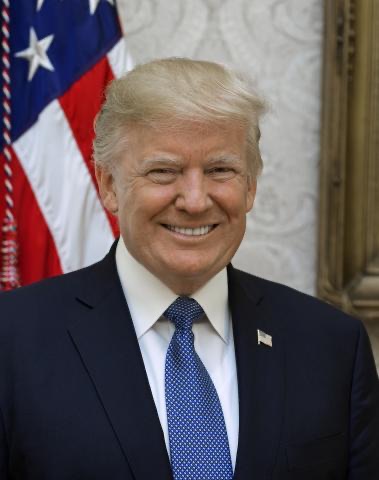
President of the United States
ExxonMobil CEO
ConocoPhillips CEO
Former Venezuelan President (captured)
Commerce Secretary
civic action
Contact Senate Foreign Relations Committee to demand hearings on Trump's authority to seize control of Venezuelan oil revenues
The Foreign Relations Committee has oversight of U.S. foreign policy and can investigate whether Trump exceeded executive authority by effectively nationalizing Venezuela's oil industry.
Hi, I'm calling to demand hearings on Trump's executive order seizing control of Venezuelan oil revenues.
Key points to mention:
Questions to ask:
Specific request: I want hearings investigating whether Trump exceeded constitutional authority by effectively nationalizing Venezuela's oil industry without congressional approval.
Thank you.
civic action
Support legal challenges by American companies to protect arbitration awards
ExxonMobil, ConocoPhillips, and other companies have legal claims against Venezuela that Trump's order blocks them from collecting.
Subject: Support for Protecting American Companies' Legal Rights
Dear U.S. Chamber of Commerce,
I'm writing to support American companies' legal rights to collect arbitration awards from Venezuela.
Key facts:
Request: How can the business community challenge Trump's order to protect companies' legal rights to collect on arbitration awards?
Sincerely, [Your name and contact information]