January 13, 2026
Trump announces sanctuary cities funding cut starting Feb. 1


All federal payments to sanctuary jurisdictions end Feb. 1 despite courts blocking similar threats
🛂Immigration🏛️Government💵Tax & Budget
January 13, 2026
All federal payments to sanctuary jurisdictions end Feb. 1 despite courts blocking similar threats
Trump announced on Jan. 13, 2026, during a Detroit Economic Club speech that the federal government will stop all payments to sanctuary cities and states with sanctuary cities starting Feb. 1, 2026. He threatened 'significant' cuts but provided no implementation details, no definition of which jurisdictions qualify as sanctuary cities, and no legal authority for the cuts.
Trump said 'I'm announcing today that starting on Feb. first, the federal government will stop all payments to those sanctuary cities and states that have sanctuary cities.' The announcement came hours after he posted 'HELP IS ON ITS WAY' urging Iranian protesters to continue demonstrations, while his DOJ pressured prosecutors to investigate Minneapolis protesters for monitoring ICE operations.
Federal courts blocked Trump's sanctuary city funding threats in 2017 and again in 2025. In 2017, a federal judge ruled Trump couldn't withhold Justice Department grants from sanctuary cities without congressional authorization.
In Dec. 2025, a federal judge blocked Trump's attempt to withhold highway funds from sanctuary jurisdictions, ruling it violated the separation of powers because only Congress has appropriations authority.
The Supreme Court has repeatedly held that the executive branch can't add conditions to federal spending that Congress didn't authorize. Trump's Feb. 1 deadline suggests he plans to act unilaterally despite these court rulings.
DOJ's sanctuary list—created under Trump's first term—includes 36 jurisdictions: the states of California, Connecticut, New York; cities including Boston, New York City, Los Angeles, San Francisco, Chicago, Philadelphia, Seattle, Portland; and counties including Baltimore County, Cook County (Illinois), and King County (Washington). The list was compiled based on jurisdictions that limit cooperation with ICE detainer requests or don't notify ICE before releasing individuals wanted for immigration violations. However, many listed jurisdictions dispute they're sanctuary cities and say they comply with federal law while protecting community trust in local police.
The administration has already begun withholding federal funding from Democratic states and sanctuary jurisdictions. USDA froze Minnesota's federal funding after the Jan. 9 ICE shooting.
CMS is withholding $515 million quarterly from 14 Minnesota Medicaid programs, jeopardizing healthcare for hundreds of thousands.
HHS blocked child care block grants and TANF in five Democratic states. The Administration claimed withholding was due to non-cooperation with ICE, but these funding cuts preceded any formal sanctuary city determination. Minneapolis taxpayers paid $2 million in overtime in four days supporting federal ICE operations while facing federal funding cuts.
Chicago Mayor  Brandon Johnson said on Jan. 13 that Trump's announcement targets cities 'that have dared to stand up to his extreme agenda.' Chicago recorded its fewest murders in 60 years in 2025, contradicting Trump's claims that sanctuary cities 'breed crime and fraud.'
Cook County Board President Toni Preckwinkle said the county has 'significant concerns' about compliance with ICE detainer requests when they lack judicial warrants.
Research by the Cato Institute found sanctuary jurisdictions have no higher crime rates than non-sanctuary cities. Trump hasn't provided evidence that sanctuary policies increase crime or undermine public safety.
Trump claimed Minnesota has '$9 billion' in fraud and uses fraud allegations to justify targeting sanctuary jurisdictions, but his DOJ interference caused Joe Thompson—lead prosecutor on the Feeding Our Future fraud case with 58 convictions—to resign on Jan. 13. Trump uses fraud rhetoric to justify political retaliation while DOJ interference undermines actual fraud prosecutions. Lead prosecutors resign when pressured to investigate protected First Amendment activity rather than pursue criminal cases Trump claims are urgent priorities.
States and cities are preparing legal challenges to the Feb. 1 funding cuts. California AG Rob Bonta said the state 'will not stand by' while Trump violates the Constitution's separation of powers.
New York AG Letitia James said her office is 'reviewing all legal options.'
Multiple state attorneys general plan coordinated litigation arguing Trump can't unilaterally withhold congressionally appropriated funds. The legal strategy mirrors successful challenges to Trump's 2017 sanctuary funding threats. However, the cuts will cause immediate harm even if courts eventually block them, disrupting Medicaid, child care, transportation, and law enforcement programs.
The announcement escalates Trump's use of federal spending as a political weapon against Democratic jurisdictions. Trump has withheld SNAP funding (42 million recipients threatened), frozen Minnesota Medicaid ($515 million quarterly), blocked child care grants (65,000 children lost care when Head Start closed), and cut transportation funds.
He simultaneously spent billions on Venezuela military operations, $40 million on his National Garden of Heroes sculpture project, and thousands of federal agents deployed to Democratic cities. The pattern shows selective enforcement of 'fiscal responsibility'—cut safety net programs for families in Democratic states while spending freely on military operations and political priorities.
Trump's sanctuary city funding threat would affect states in addition to cities.
What specific details did Trump provide about his funding cut implementation?
What did Trump claim sanctuary cities breed?
Where did Trump announce the February 1 sanctuary city funding deadline?
How much notice did Trump give sanctuary cities before cutting funding?
Upgrade to Premium to access all practice questions and unlock advanced quiz features.
Upgrade to PremiumThese questions are part of the Trump announces sanctuary cities funding cut starting Feb. 1 topic. Master this topic by completing the quiz or exploring each question in detail.
Take the full quiz to master this topic and track your progress.
Start Quiz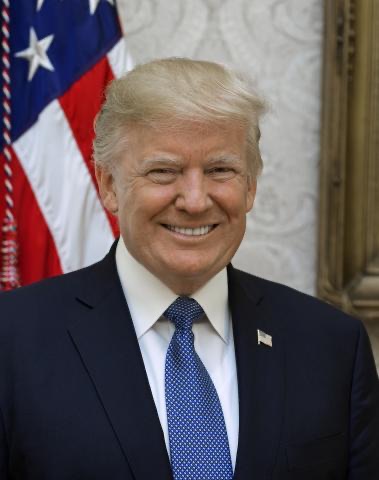
President of the United States
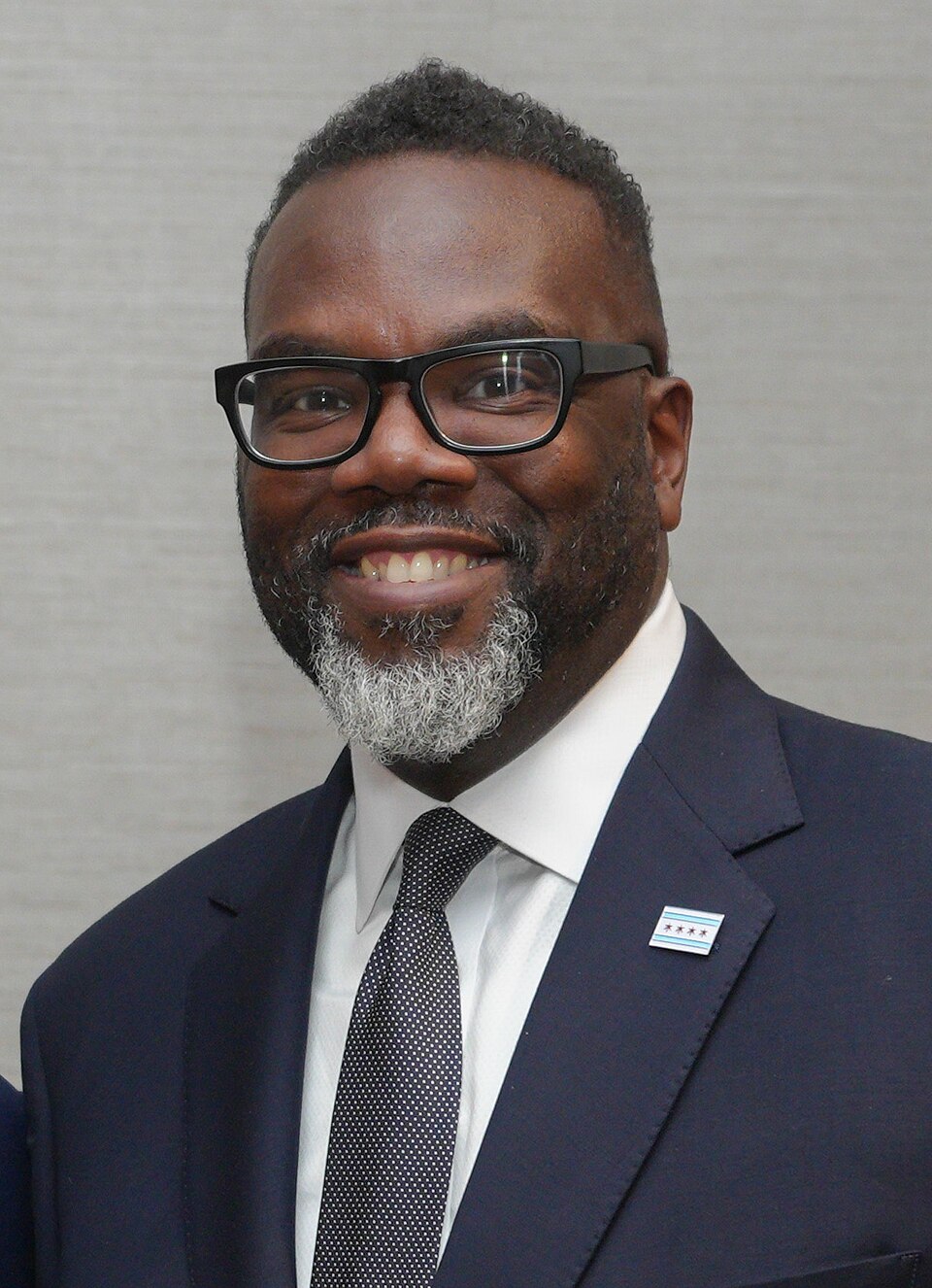
Chicago Mayor
Cook County Board President
California Attorney General
New York Attorney General
civic action
Contact congressional representatives to demand they block Trump's sanctuary funding cuts
Only Congress has appropriations authority under Article I—Trump can't unilaterally withhold congressionally appropriated funds
Hi, I'm calling to demand Congress block Trump's Feb. 1 sanctuary city funding cuts.
Key points to mention:
Questions to ask:
Specific request: I want Congress to pass legislation explicitly prohibiting the executive branch from withholding congressionally appropriated funds without congressional authorization.
Thank you for your time.
civic action
Support state attorneys general legal challenges to funding cuts
Contact your state AG to support coordinated litigation challenging Trump's unilateral withholding of federal funds
I am contacting you to support state attorneys general legal challenges to Trump's sanctuary city funding cuts.
Key points to mention:
Questions to ask:
Specific request: I want to support multi-state litigation challenging Trump's violation of separation of powers and ensure preliminary injunctions prevent cuts from taking effect.
Thank you for defending constitutional limits on executive power.
civic action
Demand data on ICE arrests to verify Trump's crime claims
File FOIA request for data on criminal records of individuals arrested during ICE operations in sanctuary cities
Subject: FOIA Request for ICE Arrest Data in Sanctuary Cities
Dear ICE FOIA Office,
I am requesting data under the Freedom of Information Act regarding ICE arrests in sanctuary cities from Jan. 1-31, 2026.
Specific data requested:
Justification: Trump claims sanctuary cities 'breed crime' and ICE targets 'convicted criminals.' Public has right to verify these claims with data. Research by Cato Institute found sanctuary jurisdictions have no higher crime rates than non-sanctuary cities.
Specific request: I request this data be provided within the statutory 20 business days to allow public to evaluate administration's claims before Feb. 1 funding cuts take effect.
Thank you for your prompt attention to this request.