January 14, 2026
Trump officials push $3 meals as their tariffs drive largest food price spike in 27 months
Officials enjoying $26 meals tell families to eat for $3
🏛️Government💰Economy
January 14, 2026
Officials enjoying $26 meals tell families to eat for $3
Agriculture Secretary Brooke Rollins appeared on NewsNation on Jan. 14, 2026, claiming Americans can eat healthy meals for $3. She described a meal as a piece of chicken, a piece of broccoli, a corn tortilla, and one other thing.
Rollins said USDA ran over 1,000 simulations to determine this price point. The comments drew widespread mockery on social media as a depression meal, with critics noting that a pound of chicken breast alone costs $4-5 at most grocery stores.
Economic adviser Stephen Moore defended Rollins the next day on CNN's The Lead with Jake Tapper
Moore said we could cut our health care costs dramatically with just better diets for people
He added I'm the first in line that doesn't have a very healthy diet I eat way too much sugar and processed food And that's just not good for you Moore framed the issue as consumer behavior rather than affordability, suggesting Americans can make $3 meals work by choosing lower-cost ingredients like eggs and pork while staying mindful of rising beef prices.
The $3 meal claims came one day after the Bureau of Labor Statistics released Dec. 2025 CPI data on Jan. 13 showing food prices jumped 0.7% in Dec.—the largest monthly increase since Oct. 2022
Year-over-year, beef rose 16.4%, coffee jumped 20%, and candy increased 10%
Overall food-at-home prices rose 2.4% annually The Joint Economic Committee Democrats calculated that a typical family paid $310 more for groceries in Trump's first year compared to the previous year.
Trump's tariff policies directly caused much of the grocery inflation. Harvard Business School analysis found tariffs added 0.7 percentage points to CPI inflation as of Aug. 2025.
The Federal Reserve Bank of St. Louis found tariffs explained roughly 0.5 percentage points of PCE inflation from Jun. to Aug. 2025.
Trump's 50% tariff on Brazilian coffee—which supplies one-third of U.S. imports—drove coffee prices to a record $8.41 per pound in Jul., a 33% increase from the prior year. Tariffs on beef imports from Brazil, Australia, New Zealand, and Uruguay contributed to beef price spikes.
House members receive $79 per day in meal allowances when in session, totaling $26.33 per meal if spread across three meals per day
They also get $258 per day for lodging, bringing total per diem to $337 daily
Members can claim up to $34,000 annually in these allowances, and they don't need to submit receipts—just self-certify eligible expenses Over 200 lawmakers used $1.4 million in the first six months of 2023, including 17 millionaires such as Rep. Katie Porter (D-CA) with a $1.8 million net worth who claimed expenses, and Rep. Katherine Clark (D-MA) worth $13.5 million.
White House officials including Cabinet secretaries like Brooke Rollins eat at the Presidential Food Service, also known as the White House Mess, operated by the U.S. Navy since 1951. The facility serves gourmet meals to senior officials in the West Wing basement, seating 50 at 12 tables. Taxpayers fund the entire staff and infrastructure. Officials pay nominal fees far below actual costs.
In 2015, the White House Mess switched to meat and poultry that have not been treated with hormones or antibiotics. Meanwhile, the Senate dining room website declares its menu embodies the prestige expected by its members, with Congressional Research Service documents noting the rooms provide ambiance not typically found in workplace eateries.
The Federal Trade Commission found in Mar. 2024 that some firms used rising costs as an opportunity to further hike prices to increase their profits. Food and beverage retailers saw revenues outpace costs by 7% in 2023, a new record.
The FTC concluded larger retailers and wholesalers with considerable leverage over suppliers were able to take more aggressive action to protect themselves. Profit margins remained elevated even as supply chain pressures eased. Trump fired FTC Chair Lina Khan, who had launched investigations into grocery pricing practices and created the Strike Force on Unfair and Illegal Pricing.
The Trump administration's response to grocery inflation has been to blame consumer behavior rather than address policy causes. Trump claimed prices are down in a Detroit speech on Jan. 13—false, as prices were up 2.2% since he took office.
Treasury Secretary Scott Bessent said in Mar. 2025 that access to cheap goods is not the essence of the American Dream.
Trump suggested in Dec. 2025 that Americans give up certain products like 37 pencils and 37 dolls. The pattern is consistent: deflect responsibility for inflation caused by tariffs and lack of price gouging enforcement by framing affordability as a personal responsibility issue.
The White House Mess charges Cabinet secretaries full market prices for meals.
House members must submit receipts to claim their $79 daily meal allowance.
What does sticky at the top mean in the FTC's grocery margin analysis?
Federal Reserve Chair Powell testified tariffs raised consumer costs in 2025.
Federal employees face the same meal reimbursement documentation rules as Congress.
Upgrade to Premium to access all practice questions and unlock advanced quiz features.
Upgrade to PremiumThese questions are part of the Trump officials push $3 meals as their tariffs drive largest food price spike in 27 months topic. Master this topic by completing the quiz or exploring each question in detail.
Take the full quiz to master this topic and track your progress.
Start QuizAgriculture Secretary
Trump Economic Adviser
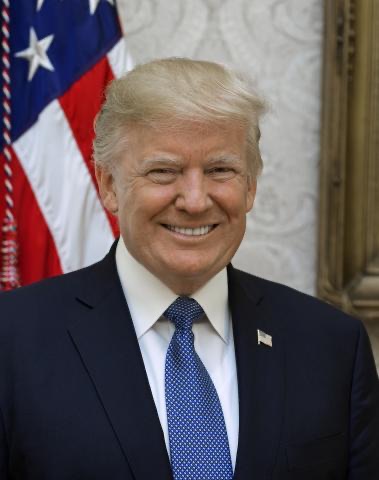
President of the United States
Former FTC Chair (fired by Trump)
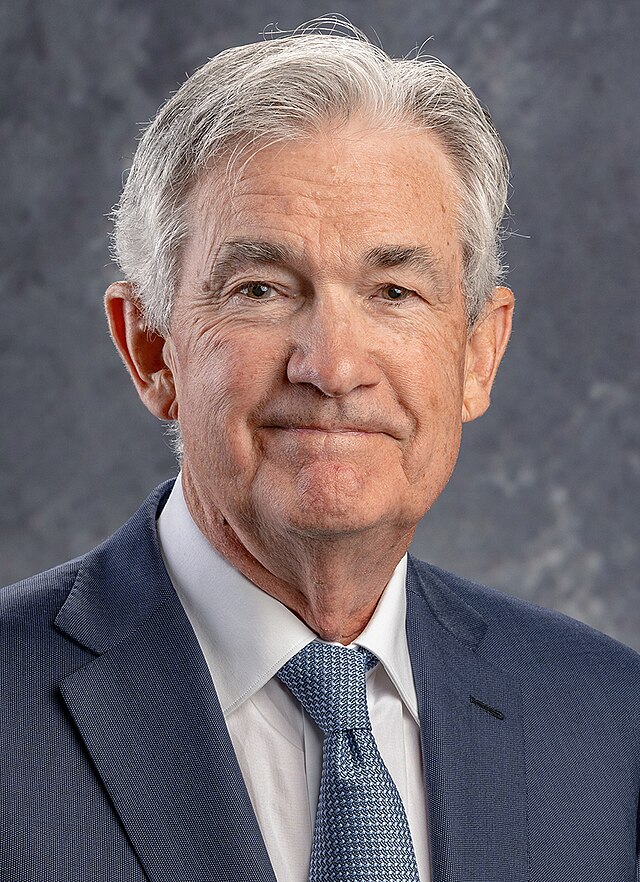
Federal Reserve Chair
Treasury Secretary
U.S. Representative (R-GA)
U.S. Representative (D-NY)

U.S. Senator (R-KY), Senate Minority Leader
civic action
Demand Congress eliminate meal allowances or require receipts
Call your representative to demand transparency on the $79/day meal allowance that requires no receipts, just self-certification. Ask why taxpayers fund $26/meal for Congress while officials tell families to eat for $3.
Hi, I'm calling to demand Congress eliminate the $79 per day meal allowance or require receipts for all claims.
Key points to mention:
Questions to ask:
Specific request: I want my representative to co-sponsor legislation eliminating Congressional meal allowances or requiring full receipts and public disclosure of all claims.
Thank you for your time.
civic action
File FOIA request on White House Mess costs and usage
Request full accounting of Presidential Food Service costs, subsidy amounts, and Cabinet secretary usage. Taxpayers deserve to know how much we're spending on gourmet meals for officials who tell us to eat $3 meals.
Subject: FOIA Request - Presidential Food Service Costs and Cabinet Usage
Dear FOIA Officer,
I am writing to request the following records under the Freedom of Information Act:
Requested Records:
Justification: Agriculture Secretary Brooke Rollins told Americans on Jan. 14, 2026, to eat $3 meals while using taxpayer-funded Presidential Food Service. The public deserves transparency on how much we're subsidizing gourmet meals for officials who tell us to cut food budgets.
Fee waiver request: I request a waiver of all fees as this information is in the public interest and will be shared with the public.
Thank you for your prompt attention to this matter.
Sincerely, [Your Name] [Your Address]
civic action
Support FTC investigations into grocery price gouging
Contact the FTC demanding they investigate grocery pricing practices that corporations used as cover to raise prices beyond cost increases. Trump fired Chair Lina Khan who was conducting these investigations.
Hi, I'm calling to demand the FTC investigate grocery pricing practices and corporate price gouging.
Key points to mention:
Questions to ask:
Specific request: I want the FTC to launch a comprehensive investigation into grocery retailer and manufacturer pricing practices, with public hearings and enforcement action against companies that used inflation as cover to raise prices beyond cost increases.
Thank you for your time.
civic action
Demand tariff rollback on food imports
Call the White House and your senators to demand Trump eliminate tariffs on food imports that added 0.7 percentage points to inflation and drove coffee up 20% and beef up 16%.
Hi, I'm calling to demand the President eliminate all tariffs on food imports.
Key points to mention:
Questions to ask:
Specific request: I want the President to immediately eliminate all tariffs on food imports including coffee, beef, and produce to reduce grocery prices for American families.
Thank you for your time.