December 18, 2025
Trump orders DEA to reschedule marijuana to Schedule III
Executive order expedites DEA process but can't unilaterally reschedule
🏥Public Health📋Public Policy⚖️Justice
December 18, 2025
Executive order expedites DEA process but can't unilaterally reschedule
On Dec. 18, 2025, President Trump issued an executive order instructing the attorney general to expedite the process of rescheduling marijuana already underway. The DEA had already begun a formal rulemaking process in 2024 after the Department of Health and Human Services recommended rescheduling. Trump's order directs the DEA to fast-track the final stages of that process.
Trump announced signing an executive order to reschedule marijuana from a Schedule I to a Schedule III controlled substance, with legitimate medical uses. The DEA uses Schedule III for substances with a moderate to low potential for physical and psychological dependence. Other Schedule III drugs include Tylenol with codeine, testosterone, anabolic steroids and ketamine.
Moving marijuana from Schedule I to Schedule III would allow marijuana businesses to deduct business expenses on federal tax filings. Currently, marijuana businesses can't deduct ordinary expenses like rent, payroll, and utilities because of Section 280E of the tax code. The tax relief could save the cannabis industry hundreds of millions of dollars annually.
Rescheduling marijuana to Schedule III would have an immediate and meaningful positive impact on scientific and medical research. Researchers would be able to access study materials more efficiently and conduct clinical trials under a framework similar to other controlled substances with accepted medical use. Current Schedule I restrictions make marijuana research extremely difficult and expensive.
Moving the drug to a lower schedule doesn't change the fact that it remains illegal for recreational use at the federal level. Federal law would still prohibit possession, distribution, and use of marijuana for non-medical purposes. States with recreational marijuana laws would still be operating in defiance of federal law.
Trump's Dec. 18 order isn't enough to rewrite federal drug policy that has stood for more than 50 years. The Controlled Substances Act of 1970 doesn't grant any president the authority to unilaterally reschedule a drug. The DEA must still complete the rulemaking process, though the executive order directs them to expedite it.
The DEA must publish a proposed rule, accept public comment, review comments, and publish a final rule before rescheduling takes effect. Legal experts estimate the process could take several months even with expedited timelines. The cannabis industry is cautiously optimistic but waiting for the final DEA action.
What is marijuana currently classified as under federal law?
Schedule III status would mean marijuana is fully legal under federal law.
Rescheduling marijuana represents a significant shift in federal drug policy after decades of Schedule I classification.
Trump's executive order immediately reschedules marijuana without further action.
Trump's executive order immediately rescheduled marijuana without further action needed.
Upgrade to Premium to access all practice questions and unlock advanced quiz features.
Upgrade to PremiumThese questions are part of the Trump orders DEA to reschedule marijuana to Schedule III topic. Master this topic by completing the quiz or exploring each question in detail.
Take the full quiz to master this topic and track your progress.
Start Quiz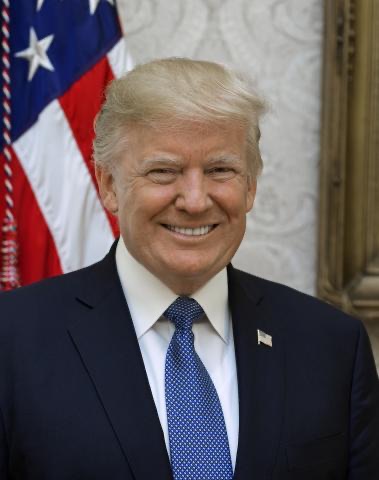
President of the United States
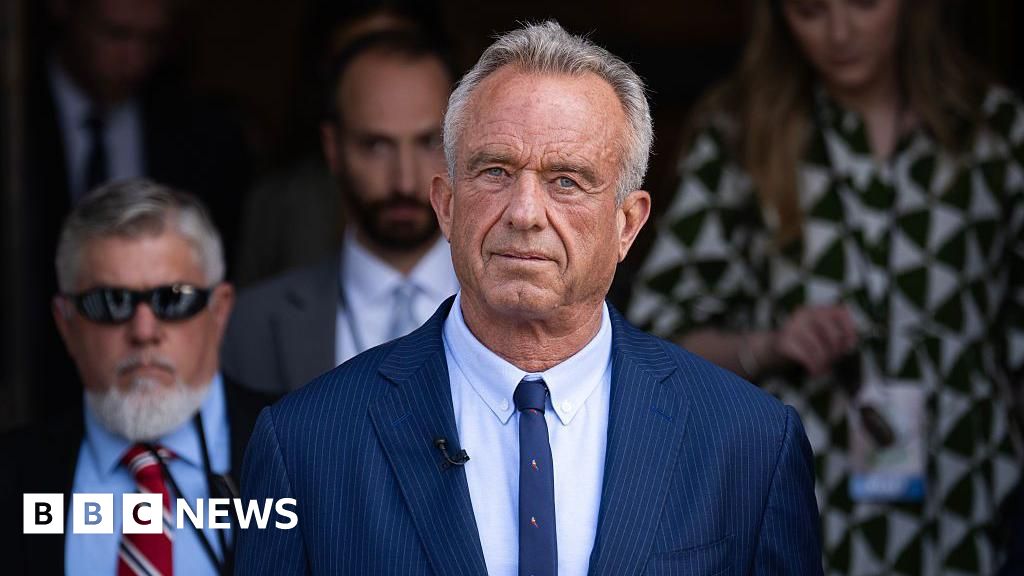
Health and Human Services Secretary

Attorney General
DEA Administrator (Biden holdover)
Executive Director, Cannabis Regulators Association
Co-CEO, Nabis (cannabis wholesale platform)
Neuroscientist, McLean Hospital/Harvard Medical School
CEO, Smart Approaches to Marijuana (SAM)
civic action
Submit comments to DOJ/DEA on marijuana rescheduling implementation
Final rule will likely include comment period. Provide evidence supporting medical uses, research barriers, or concerns about implementation
I'm submitting comments on the proposed marijuana rescheduling rule.\n\nPoints to include:\n- Document medical conditions marijuana treats effectively (pain, nausea, seizures, etc.)\n- Describe research barriers Schedule I classification creates\n- Explain impacts on patients, researchers, or businesses\n- Address concerns about youth access or public health if relevant\n\nSpecific request: Finalize the rescheduling rule expeditiously while ensuring adequate safeguards for medical use and research access.\n\nThank you for considering public input on this important policy change.
civic action
Contact representatives about DOT marijuana testing authority carve-out
Rescheduling may eliminate DOT's ability to test safety-sensitive transportation workers for marijuana. Demand Congress pass explicit carve-out preserving testing authority
Hi, I'm calling about marijuana rescheduling and DOT testing authority.\n\nKey points:\n- Rescheduling to Schedule III may prohibit DOT from testing safety-sensitive workers for marijuana\n- This affects truck drivers, pilots, railroad engineers, and transit operators\n- National Transportation Safety Board warned this creates immediate safety risks\n- Congress needs explicit statutory carve-out preserving DOT testing authority\n\nQuestions:\n- Will my representative co-sponsor legislation preserving DOT marijuana testing?\n- Will they ensure safety-sensitive workers can't use marijuana regardless of scheduling?\n\nRequest: Pass explicit statutory language authorizing DOT marijuana testing for safety-sensitive transportation workers regardless of CSA scheduling.\n\nThank you.
understanding
Research your state's medical marijuana program and qualifying conditions
40 states have medical marijuana programs. If you have a qualifying condition, learn about your state's program, registration process, and protections