September 19, 2025
Trump imposes $100,000 payment on many new H-1B petitions; unveils $1M Gold Card program


Tech industry warns Silicon Valley workforce crisis as visa costs skyrocket
🛂Immigration👷Labor💡Technology
September 19, 2025
Tech industry warns Silicon Valley workforce crisis as visa costs skyrocket
President Trump signed a Proclamation titled 'Restriction on Entry of Certain Nonimmigrant Workers' on Sep. 19, 2025. The Proclamation became effective at 12:01 a.m. Eastern on Sep. 21, 2025 and requires a $100,000 payment to accompany any new H-1B petition filed after that time.
The White House and DHS/USCIS guidance say the $100,000 payment does not apply to petitions filed before 12:01 a.m. EDT on Sep. 21, 2025, to already approved H-1B petitions, or to current H-1B visa holders traveling on valid stamps. Agencies described the payment as a one-time requirement on new petitions.
The administration announced a paid 'Gold Card' program with a reported $1,000,000 individual contribution and a proposed 'Platinum Card' reported at $5,000,000 with special residency terms (reports cite up to 270 days of U.S. presence). DHS vetting and processing fees were reported separately in early guidance.
Major employers reacted quickly. Multiple large firms circulated internal guidance advising H-1B employees abroad or dependents to return to the U.S. before the proclamation's effective time, pending agency implementing guidance. Immigration attorneys advised caution on travel.
Multiple legal challenges were filed or quickly threatened. Plaintiffs include healthcare, academic, and religious organizations arguing statutory and constitutional defects. Agencies's reliance on INA §212(f) and national-interest language is the administration's stated legal basis.
Key implementation gaps remain. Agencies began publishing FAQs and limited guidance but did not provide fully operational payment mechanisms or exhaustive rules on which categories of 'new' filings (amendments, transfers, cap-exempt petitions for beneficiaries abroad) will require payment. That uncertainty drove employer and lawyer advisories.
What did Commerce Secretary Lutnick say about company support for the H-1B fee?
True or False: Trump claims the Gold Card program will raise over $100 billion.
True or False: The new H-1B fee applies to the February 2026 lottery, not 2025.
What did tech companies advise H-1B visa holders traveling abroad to do before the $100,000 fee took effect?
What visa program did President Trump establish on September 19, 2025, allowing foreign investors to obtain expedited permanent residency by making a $1 million gift to the Department of Commerce?
Upgrade to Premium to access all practice questions and unlock advanced quiz features.
Upgrade to PremiumThese questions are part of the Trump imposes $100,000 payment on many new H-1B petitions; unveils $1M Gold Card program topic. Master this topic by completing the quiz or exploring each question in detail.
Take the full quiz to master this topic and track your progress.
Start Quiz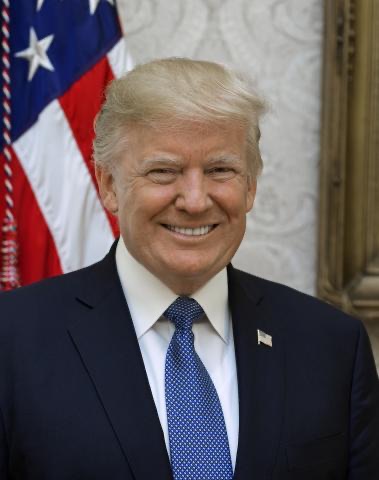
President who signed the Sep. 19, 2025 Proclamation
Secretary of Commerce
White House spokesperson
Former Obama administration adviser and immigration commentator
Major employers with large H-1B populations