January 12, 2026
Trump threatens EU with tariffs over tech regulations


U.S. uses trade threats to block European content moderation rules
🌍Foreign Policy🏛️Government
January 12, 2026
U.S. uses trade threats to block European content moderation rules
Trump threatened the European Union with tariffs in early Jan. 2026 unless it rolls back tech regulations targeting U.S. companies. The administration specifically opposes the EU's Digital Services Act, which requires platforms to moderate harmful content and increase transparency. Meta CEO  Mark Zuckerberg said in Jan. 2025 he wanted an ally in the White House to fight foreign regulations pushing American firms to 'censor more' content.
The Trump administration blocked a prominent tech safety researcher and an EU regulator from entering the U.S. in Dec. 2025. Officials also threatened penalties against European tech firms. These moves escalated tensions beyond rhetoric into concrete actions restricting travel and threatening economic consequences.
The dispute centers on fundamental disagreement over tech regulation philosophy. European regulators say guardrails like content moderation requirements promote online safety, free speech, and industry competition. The Trump administration argues these rules restrict American companies while protecting European competitors and imposing censorship.
The EU prepared to strengthen tech enforcement in 2026 with tougher implementation of existing laws. European officials publicly stated they won't back down on content moderation requirements or antitrust rules. The EU has positioned itself as the global leader in tech-related legislation over the past five years.
Trump has used tariff threats as central foreign policy strategy across multiple issues. His 'America First Trade Policy' memorandum directs the administration to review various tariff levers. The tech regulation dispute adds another front to existing trade tensions over manufacturing, agriculture, and digital services taxes.
The clash could weigh on broader U.S.-EU trade negotiations scheduled for 2026. Trade analysts warn that tech regulation disagreements might derail talks on other economic cooperation areas. European officials face pressure to protect both their regulatory framework and transatlantic trade relationships.
Meta, Google, and X are the primary U.S. companies affected by EU tech regulations
The Digital Services Act imposes transparency requirements, content moderation standards, and data sharing rules
Violations can result in fines up to 6% of global annual revenue The EU has already opened investigations into several U.S. tech giants for potential violations.
The EU's Digital Markets Act and Digital Services Act apply only to American tech companies, not to European firms.
French President Emmanuel Macron supported Vice President JD Vance's February 2025 Munich speech criticizing European tech regulations.
Meta CEO Mark Zuckerberg publicly stated in January 2025 that he wanted the Trump administration to pressure foreign governments over tech regulations.
The EU's Digital Services Act requires platforms to remove illegal content within 24 hours of receiving notice.
The Digital Markets Act prohibits gatekeeper platforms from favoring their own services over competitors and requires interoperability.
Upgrade to Premium to access all practice questions and unlock advanced quiz features.
Upgrade to PremiumThese questions are part of the Trump threatens EU with tariffs over tech regulations topic. Master this topic by completing the quiz or exploring each question in detail.
Take the full quiz to master this topic and track your progress.
Start Quiz
Meta CEO
Vice President of the United States
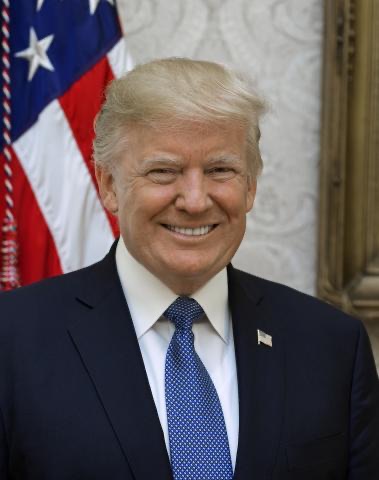
President of the United States
German Marshall Fund President
President of France
Georgetown Law Professor
civic action
Contact House Foreign Affairs Committee to oppose using trade policy to dictate allies' tech regulations
The Foreign Affairs Committee oversees diplomatic relations and can investigate whether the administration's tech policy damages strategic alliances with European democracies.
Hi, I'm calling to oppose the administration using trade threats to pressure European allies to abandon tech regulations.
Key points to mention:
Questions to ask:
Specific request: I want hearings on the administration weaponizing trade policy to protect tech company profits at expense of strategic alliances.
Thank you.
civic action
Support EU tech regulations that protect consumers from harmful algorithmic amplification
American citizens can voice support for European-style regulations that U.S. should adopt rather than attack, including DSA transparency requirements and DMA competition rules.
Subject: Support for EU-Style Tech Platform Regulations
Dear Federal Trade Commission,
I'm writing to support adopting regulations similar to the EU's Digital Services Act and Digital Markets Act in the United States.
Why these regulations protect consumers:
The Trump administration is attacking these rules to protect tech company profits, not free speech. Europe has every right to regulate companies operating in their market.
Request: Investigate whether large tech platforms' algorithmic amplification constitutes unfair or deceptive practices under FTC Act Section 5.
Sincerely, [Your name and contact information]