January 13, 2026
Trump pitches affordability in Detroit amid 2.7% inflation

Trump promises affordability plans weeks away as inflation holds at 2.7% for second month
💰Economy🗳️Elections
January 13, 2026
Trump promises affordability plans weeks away as inflation holds at 2.7% for second month
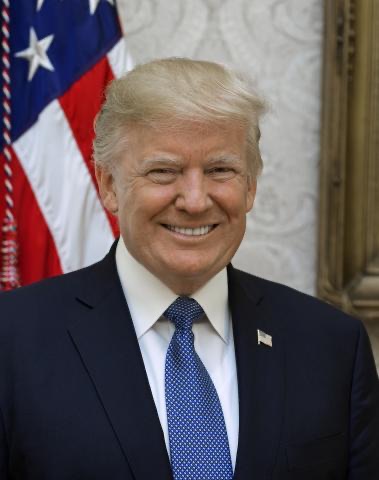
Trump toured Ford's Dearborn F-150 plant and addressed the Detroit Economic Club on Jan. 13, 2026, promising plans 'in coming weeks' to restore affordability as the 2026 midterms approach. He announced healthcare proposals this week, housing plans at the Davos World Economic Forum next week, and touted his drug pricing 'most favored nation' agreement with AbbVie and other pharmaceutical companies.
Trump claimed Republicans 'should win midterms in a landslide' on drug pricing alone. The speech came hours after BLS reported Dec. 2025 CPI at 2.7% year-over-year, matching Nov.'s rate and meeting economists' expectations but remaining above the Fed's 2% target for over a year.
Inflation has remained above the Fed's 2% target for 13 consecutive months despite Trump's campaign promises to reduce prices. Dec.'s 2.7% year-over-year rate matches Nov. and shows little movement toward the Fed's target. Food prices rose 3.5% year-over-year, with coffee up 20%, beef up 16%, and eggs up 37% compared to Dec. 2024.
Shelter costs—the largest component of CPI—rose 4.6% year-over-year. Gas prices fell 9.3% year-over-year, the only major category showing significant decline. Inflation stuck at 2.7% for 13 months cost Republicans state legislative seats in Nov. 2025—Democrats won by hammering grocery prices and rent increases.
Trump spent his entire second term blaming Biden for inflation and calling affordability concerns a Democratic 'hoax' until Democrats won Nov. 2025 off-year elections in New York, New Jersey, and Virginia on cost-of-living issues
Democrats flipped state legislative seats in all three states and won governorships by emphasizing grocery prices, rent increases, and healthcare costs
Only after these losses did Trump pivot to affordability promises His Jan. 13 speech marks a shift from blame to policy promises, but critics note he provides no legislative agenda or enforcement mechanisms for his 'deals' with pharmaceutical companies.
Trump's 'most favored nation' drug pricing agreement with AbbVie lacks enforcement mechanisms or oversight. AbbVie pledged $100 billion in U.S. investment over 10 years in exchange for exemption from all drug pricing mandates for three years.
The agreement is a voluntary corporate pledge with no legal force—AbbVie can walk away at any time without penalty. Independent analysts note $100 billion over 10 years barely exceeds AbbVie's existing capital expenditure plans, suggesting the company committed to investments it was already planning. The deal provides AbbVie with regulatory certainty and protection from price caps while giving Trump a talking point without actual price reductions for consumers.
Trump announced healthcare and housing proposals but provided no details, timelines, or legislative strategies. He said healthcare proposals would come 'this week' but didn't specify what they'd include.
He said housing plans would be unveiled at Davos next week but gave no indication of scope or implementation.
The pattern matches Trump's first-term approach of announcing initiatives without follow-through. Congress hasn't received legislative text for any affordability proposals despite Trump's claims that solutions are imminent. Republican congressional leaders haven't confirmed they're working on affordability legislation, suggesting Trump's promises may be campaign rhetoric rather than actual policy development.
Trump ignored inflation concerns until Democrats won three governor races by running on grocery prices—then suddenly he had 'plans in coming weeks.' Trump dismissed inflation concerns as exaggerated throughout 2024 and early 2025, claiming Biden's policies were the problem while his own tariffs, tax cuts, and spending increased inflationary pressure.
He called warnings about grocery prices 'fake news' and suggested Americans were lying about economic hardship. Only after Democrats won by 8-12 points in swing districts in New York, New Jersey, and Virginia—flipping state legislative seats and governorships—did Trump acknowledge affordability as a real issue requiring policy responses.
Trump's Detroit speech combined affordability promises with attacks on sanctuary cities, war powers checks, and prosecutors investigating ICE shootings. He announced withholding all federal payments to sanctuary cities starting Feb. 1, called senators voting for Venezuela war powers resolution 'losers' and 'disasters,' and defended ICE agents who shot Renee Good.
Trump spent more time attacking political opponents than detailing affordability solutions despite framing the speech as economic policy. He provided specific timelines for punishing Democratic jurisdictions (Feb. 1 sanctuary funding cuts) but only vague promises ('coming weeks') for affordability help.
Trump visited a Ford F-150 plant before his Detroit speech.
Trump chose Detroit to signal economic priorities to which voting bloc?
Mortgage rates dropped after Trump announced his bond purchase plan.
Trump's credit card cap proposal borrows ideas from progressive Democrats.
Politicians can attack opponents' rhetoric while adopting similar policies.
Upgrade to Premium to access all practice questions and unlock advanced quiz features.
Upgrade to PremiumThese questions are part of the Trump pitches affordability in Detroit amid 2.7% inflation topic. Master this topic by completing the quiz or exploring each question in detail.
Take the full quiz to master this topic and track your progress.
Start Quizcivic action
Demand specific legislative text for Trump's affordability proposals
Contact congressional representatives to request actual legislation, not vague promises
Hi, I'm calling to demand specific legislative text for Trump's affordability proposals.
Key points to mention:
Questions to ask:
Specific request: I want to see actual legislation with enforcement mechanisms, not corporate pledges or campaign promises.
Thank you for your time.
understanding
Track pharmaceutical company compliance with 'most favored nation' pledges
Monitor whether AbbVie and other companies actually reduce drug prices or just avoid regulation
understanding
Compare grocery prices monthly to verify affordability progress
Track food costs using BLS CPI data to measure whether Trump's promises translate to lower prices