August 26, 2025
Trump asks Supreme Court to block foreign aid payments


Andrew Chung, Supreme Court Reporter, Reuters
📜Constitutional Law🌍Foreign Policy🏛️Government⚖️Justice
August 26, 2025
Andrew Chung, Supreme Court Reporter, Reuters
Trump's Justice Department asked the Supreme Court on Aug. 26, 2025, to halt a judge's order requiring $12 billion in foreign aid payments. Solicitor General John Sauer filed the emergency application seeking a stay before the Sep. 30 fiscal year deadline.
U.S. District Judge Amir Ali ruled on Feb. 25, 2025, that Trump's blanket freeze violated federal law. He ordered the administration to release roughly $12 billion in congressionally approved aid before Sep. 30.
Ali found the freeze violated the 1974 Impoundment Control Act and the Administrative Procedure Act. The Act stops presidents from refusing to spend money Congress already appropriated.
Trump ordered a freeze and review of most foreign aid after taking office in Jan. 2025. His administration stopped billions in payments to contractors and nonprofits implementing health, development, and humanitarian programs abroad.
The Government Accountability Office has ruled the Impoundment Control Act doesn't permit withholding funds through their expiration date. GAO instructed that amounts proposed for rescission must be released before they lapse.
If the Supreme Court doesn't grant a stay, agencies must obligate about $12 billion by Sep. 30. Any funds not obligated by that deadline expire and revert to the Treasury, making them unavailable for the programs Congress funded.
The administration appealed to the D.C
Circuit Court and sought emergency relief there first
After the D.C Circuit denied full relief, the administration escalated to the Supreme Court on Aug. 26.
Foreign aid contractors and nonprofits sued to challenge the freeze and get payment for work they'd already completed. They argued the freeze violated existing contracts and harmed operations serving vulnerable populations abroad.
Trump's lawyers argue the President has constitutional authority over foreign policy and funding decisions. They say Congress must use a formal rescission process if it wants to force the executive branch to spend appropriated money.
The case tests the separation of powers between Congress's constitutional power of the purse and the President's foreign policy authority. Ali ruled that withholding the funds unilaterally violated the balance the Constitution requires.
Marco Rubio froze $60 billion in foreign aid on January 20, forcing global health programs to collapse overnight. What constitutional violation does this represent?
Foreign aid organizations laid off thousands due to funding freeze.
State Department cancelled _____ contracts and _____ grants totaling nearly $_____ billion in aid.
What phrase did Justice Alito use to describe Judge Ali's order?
Which 1974 law did Judge Ali rule Trump violated?
Upgrade to Premium to access all practice questions and unlock advanced quiz features.
Upgrade to PremiumThese questions are part of the Trump asks Supreme Court to block foreign aid payments topic. Master this topic by completing the quiz or exploring each question in detail.
Take the full quiz to master this topic and track your progress.
Start Quiz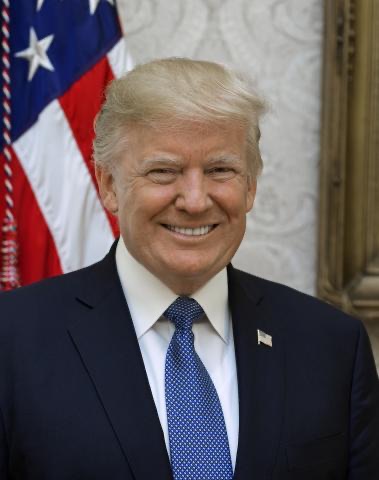
President of the United States
U.S. Solicitor General
U.S. District Judge, U.S. District Court for the District of Columbia
Plaintiffs and contract beneficiaries
Federal agencies implementing foreign aid