March 27, 2025
SCOTUS shadow docket receives 22 emergency applications in seven months

Trump wins nine emergency appeals outright reshaping policy before full court hearings
👨⚖️Judicial Review📜Constitutional Law
March 27, 2025
Trump wins nine emergency appeals outright reshaping policy before full court hearings
By Mar. 27, 2025, President Trump’s administration filed 19 emergency petitions through the Supreme Court’s shadow docket in its first ten weeks (Reuters Shadow Docket Analysis).
The Supreme Court granted nine of those 19 emergency petitions (approximately 47%) by Mar. 27, 2025 (Supreme Court Emergency Docket Tracker).
Shadow docket orders proceed without oral arguments, receive only limited briefing, and are often issued as unsigned orders, preventing public access to the Court’s full reasoning (NYU Law Shadow Docket Study).
Lower courts must immediately implement all shadow docket orders.
Shadow docket orders automatically expire after one year unless renewed by the full Court.
The Constitution requires Supreme Court cases to include oral arguments.
True or false: Under Rule 37.4 of the Supreme Court Rules (effective January 1, 2023), amicus curiae briefs in connection with emergency (shadow docket) applications are entirely prohibited.
True or false: Supreme Court shadow docket orders receive the same level of briefing, oral argument, and published reasoning as merits docket decisions?
Upgrade to Premium to access all practice questions and unlock advanced quiz features.
Upgrade to PremiumThese questions are part of the SCOTUS shadow docket receives 22 emergency applications in seven months topic. Master this topic by completing the quiz or exploring each question in detail.
Take the full quiz to master this topic and track your progress.
Start Quiz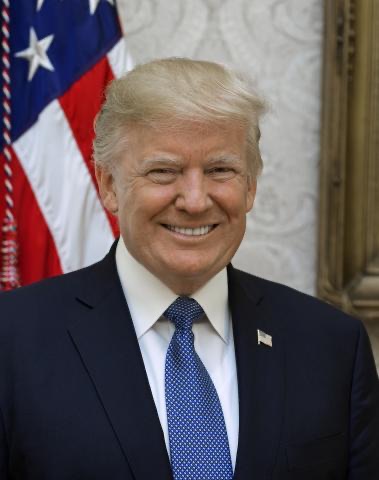
filed 19 emergency petitions via the Supreme Court’s shadow docket within his administration’s first ten weeks (Reuters Shadow Docket Analysis).
issued public dissents calling for transparency and full briefing in shadow docket cases (Justice Kagan Shadow Docket Statements).