September 18, 2025
Senate Republicans batch-confirm 48 Trump nominees after nuclear option

48 nominees confirmed at once without individual scrutiny
🔐Ethics🏛️Government🏢Legislative Process
September 18, 2025
48 nominees confirmed at once without individual scrutiny
The nuclear option refers to changing Senate rules by simple majority vote. It bypasses the 60-vote supermajority threshold that historically protected the minority party from unlimited majority power.
 Harry Reid (D-NV) invoked it Nov. 21, 2013, eliminating the 60-vote threshold for most judicial and executive branch nominations. He exempted Supreme Court nominees at the time, thinking that protection would hold.
Reid cited 79 Republican filibusters of Obama nominees in five years as justification. This compared to 68 total filibusters for all previous presidents combined, showing unprecedented obstruction.
Three Democrats voted against Reid's 2013 nuclear option: Carl Levin of Michigan, Joe Manchin of West Virginia, and Mark Pryor of Arkansas. Manchin became the only senator to oppose all three deployments.
 Mitch McConnell (R-KY) extended it to Supreme Court nominees Apr. 6, 2017. This enabled confirmation of Neil Gorsuch (54 votes), Brett Kavanaugh (50 votes), and Amy Coney Barrett (52 votes) without Democratic support.
John Thune (R-SD) deployed it Sep. 11, 2025, to create a new batch confirmation rule. This allows unlimited sub-Cabinet and ambassador nominees to be confirmed en bloc without individual debate.
The first batch on Sep. 18, 2025, confirmed 48 nominees including Kimberly Guilfoyle (ambassador to Greece), Callista Gingrich (ambassador to Switzerland and Liechtenstein), and  Brandon Williams (undersecretary for nuclear security).
Batch confirmation requires only 2 hours of Senate debate total—not per nominee—and a simple majority vote. This completely eliminates individual scrutiny that previously allowed senators to question appointee qualifications.
Average Senate confirmation time jumped from 49 days to 193 days across six recent presidential administrations. Yet neither party addressed partisan obstruction as the root cause. Both chose to eliminate the 60-vote threshold instead.
Over 1,340 presidential appointees require Senate confirmation annually. Future presidents whose party controls the Senate will now use batch confirmations as standard practice, permanently altering Senate procedure.
<p>Complete the key vote counts from September 2025.</p>
Thune's 53-45 vote ended the 60-vote filibuster for which nominees?
<p>Who were the most prominent nominees in the first batch of 48 confirmed on September 18, 2025?</p>
<p>All 48 nominees in the first batch had passed committee on bipartisan votes.</p>
<p>Trump is the first president on record not to have a single civilian nominee confirmed by unanimous consent or voice vote.</p>
Upgrade to Premium to access all practice questions and unlock advanced quiz features.
Upgrade to PremiumThese questions are part of the Senate Republicans batch-confirm 48 Trump nominees after nuclear option topic. Master this topic by completing the quiz or exploring each question in detail.
Take the full quiz to master this topic and track your progress.
Start Quiz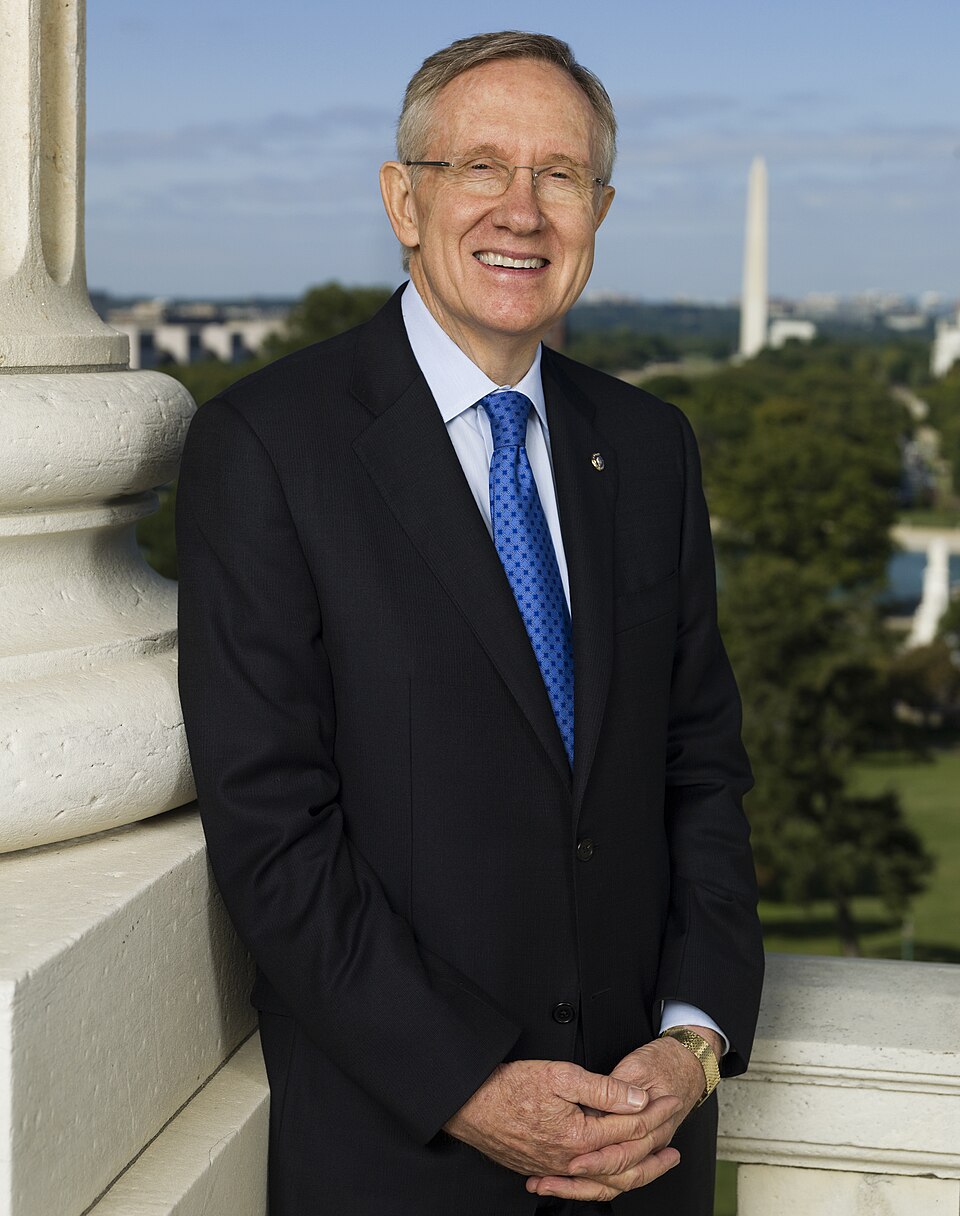
Senate Majority Leader (D-NV), 2007-2015

Senate Majority Leader (R-KY), 2015-2021
Senate Majority Leader (R-SD), 2025-present
Senate Minority Leader (D-NY)
Senator (D-WV)
Trump appointee, Ambassador to Greece
Trump appointee, Ambassador to Switzerland and Liechtenstein

Trump appointee, Undersecretary for Nuclear Security