June 5, 2025
What history teaches about defending democracy from authoritarianism


Research shows nonviolent movements succeed when they hit 3.5% participation
🤝Civic Action✊Civil Rights📚Historical Precedent
June 5, 2025
Research shows nonviolent movements succeed when they hit 3.5% participation
Harvard researcher Erica Chenoweth found that nonviolent civil resistance campaigns succeeded 53% of the time from 1900 to 2006, compared to 26% for violent campaigns. Nonviolent movements were twice as likely to achieve their goals.
The 3.5% rule: authoritarian governments have almost always been forced to yield when mass resistance campaigns mobilized 3.5% of a country's population during peak events. For the United States, that means roughly 11 million people.
From 1966 to 1999, nonviolent civic resistance played a critical role in 50 of 67 transitions from authoritarianism. The strategy has a track record across cultures, continents, and political systems.
The Civil Rights Movement succeeded by combining multiple tactics: NAACP legal challenges won court victories, SCLC direct action created moral crises, and SNCC grassroots organizing built local power. No single approach would have worked alone.
The Birmingham Children's Crusade of 1963 brought thousands of Black children into the streets. Police responded with attack dogs and fire hoses. These images, broadcast nationwide, helped spur passage of the Civil Rights Act of 1964.
In 2025, protests in the United States reached a wider geographic spread than at any other point on record, according to Harvard's Crowd Counting Consortium. Resistance activity has expanded beyond traditional urban centers.
Movements that mix in some armed violence tend to be less successful than those maintaining nonviolent discipline. Governments infiltrate movements specifically to provoke violence, giving regimes justification for crackdowns.
Successful movements typically took decades. Women's suffrage: 1848 to 1920. Labor rights: 1880s through 1930s. Civil rights: 1950s through 1960s. Expecting quick victories leads to demoralization when change takes longer.
The reading assigns what share of successful movements to “broad-based coalition” factors?
Which First-Amendment clause protects the right to “petition the Government for a redress of grievances”?
Which WWII resistance network do scholars compare to today’s U.S. pro-democracy coalitions?
Non-violent campaigns have historically succeeded more often than violent ones.
FARA requires all foreign-funded NGOs engaged in civic activism to register with DOJ.
Upgrade to Premium to access all practice questions and unlock advanced quiz features.
Upgrade to PremiumThese questions are part of the What history teaches about defending democracy from authoritarianism topic. Master this topic by completing the quiz or exploring each question in detail.
Take the full quiz to master this topic and track your progress.
Start QuizHarvard Kennedy School Professor
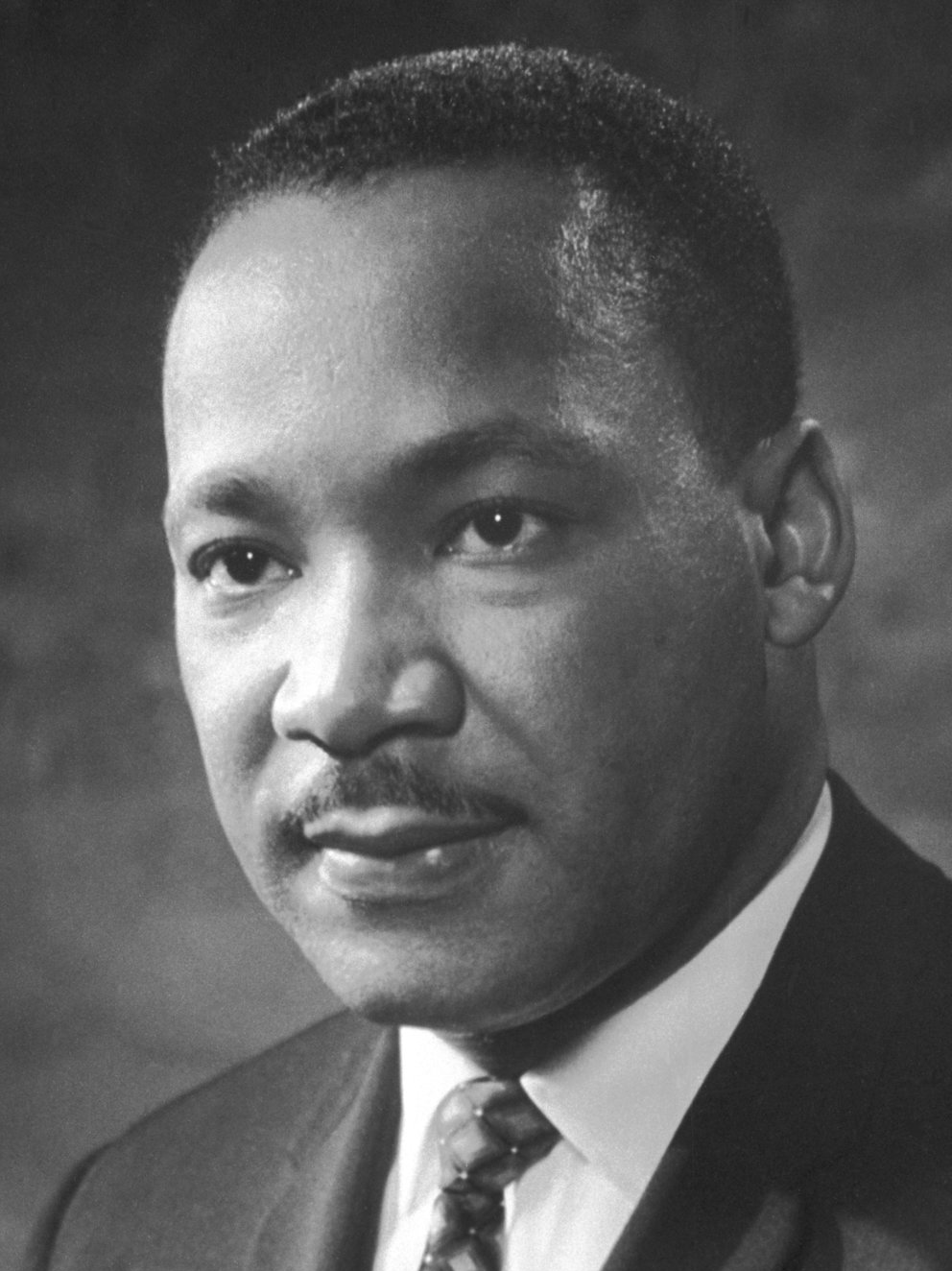
Civil Rights Leader, SCLC
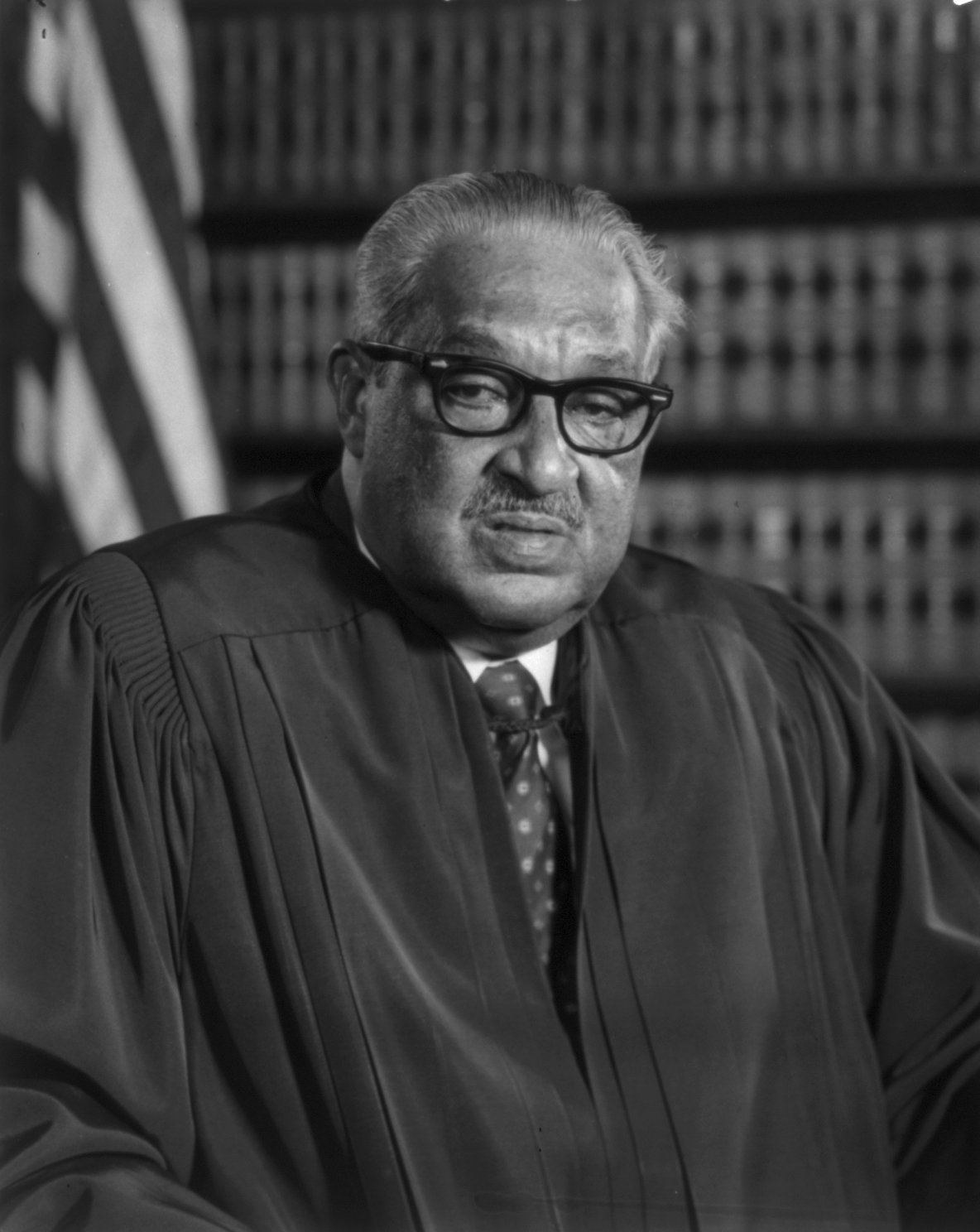
NAACP Legal Defense Fund
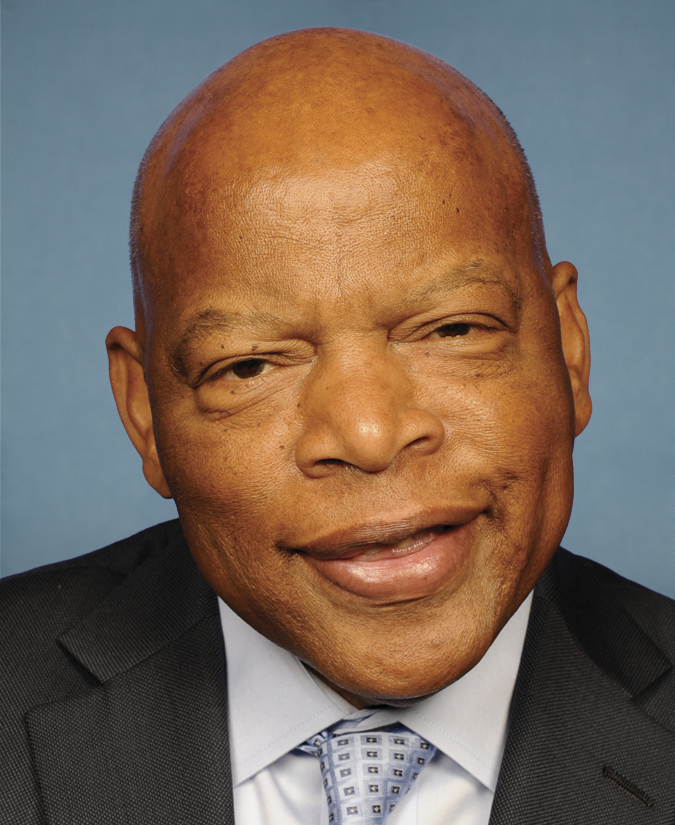
SNCC Leader
Civil Rights Activist
United Farm Workers
research monitoring
Study what actually worked historically
Read Chenoweth's research on why civil resistance works. The Stanford King Institute offers free curriculum on Civil Rights Movement tactics. Understanding what succeeded and failed helps avoid repeating mistakes.
long term organizing
Build coalitions before crises
Successful movements connected different constituencies around shared interests. Join organizations now that bring together diverse groups. Coalition building requires genuine common ground, not asking others to subordinate their concerns.
local engagement
Prepare local institutions to resist
City councils, school boards, unions, and professional associations can refuse to cooperate with unconstitutional directives. Work with local institutions now to establish policies and principles before they face pressure.
long term organizing
Train in nonviolent discipline
Organizations like the Highlander Research and Education Center and Waging Nonviolence offer training in maintaining nonviolent discipline under pressure. This isn't just moral commitment. It's a strategic skill that movements need.