June 27, 2025
Supreme Court gives parents right to remove kids from any school lesson
Religious groups gain veto power over public education
🤝Civic Action📜Constitutional Law✊Civil Rights
June 27, 2025
Religious groups gain veto power over public education
On Jun. 27, 2025, the U.S. Supreme Court issued a 6-3 decision in Mahmoud v. Taylor, recognizing a constitutional right for parents to remove their children from public school lessons that conflict with their religious beliefs.
Justice  Samuel Alito authored the majority opinion, applying strict scrutiny to any government policy that burdens religious exercise; Justice Sonia Sotomayor dissented, warning that parents could effectively veto individual lessons and cause educational havoc.
The case centered on Montgomery County Public Schools’ use of LGBTQ-themed storybooks in elementary classrooms; the district had originally allowed parental opt-outs but eliminated that option for the 2023-24 school year.
Legal filings show that 47 states offer parental opt-out or opt-in accommodations for sensitive curriculum topics, making Montgomery County’s no-opt-out policy an outlier.
The Court referenced Wisconsin v. Yoder as a precedent for parental rights in directing children’s education, extending those principles to objections against lesson content on faith grounds.
The decision does not ban LGBTQ+ materials in public schools, but requires schools to provide religious opt-outs similar to those for sex education.
Montgomery County Public Schools officials said the ruling ‘complicates our work’ to maintain an inclusive environment and expressed concern about its impact on LGBTQ+ students and families.
What was the Supreme Court's vote margin in the Mahmoud v. Taylor decision?
What type of books were at the center of the Montgomery County controversy?
Forty-seven states protect parental opt-out or opt-in rights for sensitive curriculum topics.
The Supreme Court decision prevents schools from including any LGBTQ+ materials in their curriculum.
What warning did Justice Sotomayor give in her dissent?
Upgrade to Premium to access all practice questions and unlock advanced quiz features.
Upgrade to PremiumThese questions are part of the Supreme Court gives parents right to remove kids from any school lesson topic. Master this topic by completing the quiz or exploring each question in detail.
Take the full quiz to master this topic and track your progress.
Start Quiz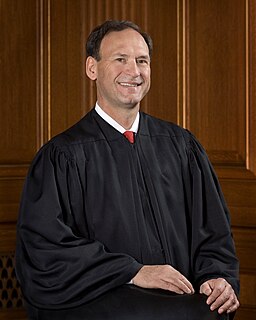
Supreme Court Justice
Supreme Court Justice
Bishop and USCCB Committee chairman