June 14, 2025
Iran cancels nuclear talks following Israeli airstrikes on nuclear facilities


Nuclear negotiations cancelled following Israeli airstrikes on Iranian facilities
🛡️National Security🌍Foreign Policy
June 14, 2025
Nuclear negotiations cancelled following Israeli airstrikes on Iranian facilities
On Jun. 13, 2025, Israeli airstrikes destroyed the above-ground pilot uranium enrichment plant at Natanz, according to IAEA Director General Rafael Grossi.
Iran’s UN Ambassador Amir Iravani reported that the strikes killed 78 people and wounded over 320.
Israel said its operation also killed nine senior Iranian nuclear scientists.
In retaliation, Iran launched waves of drones and ballistic missiles at Israel, killing three civilians and wounding dozens.
On Jun. 14, 2025, Iranian Foreign Minister Abbas Araghchi confirmed that the sixth round of U.S.–Iran nuclear talks in Muscat, Oman, was cancelled.
Iranian President Masoud Pezeshkian spoke with French President Emmanuel Macron, stating that Iran favors diplomacy but will not yield to pressure.
Supreme Leader Ayatollah Ali Khamenei accused Israel of starting a war, and U.S. President  Donald J. Trump warned that any future strikes “would be much worse.”
Iran reported that production at its world’s largest gas field was partly suspended following the Israeli attack.
Iran continues to deny that its uranium enrichment program is intended for weapons development.
Iran continues to deny its nuclear program is for weapons development.
Oman confirmed that the nuclear talks "will not now take place."
Iran launched retaliatory missile and drone strikes against Israel.
Israeli PM Netanyahu pledged to continue attacks for "as many days as it takes."
In which country were the cancelled nuclear talks scheduled to take place?
Upgrade to Premium to access all practice questions and unlock advanced quiz features.
Upgrade to PremiumThese questions are part of the Iran cancels nuclear talks following Israeli airstrikes on nuclear facilities topic. Master this topic by completing the quiz or exploring each question in detail.
Take the full quiz to master this topic and track your progress.
Start QuizIranian Foreign Minister
Director General, IAEA
Prime Minister of Israel
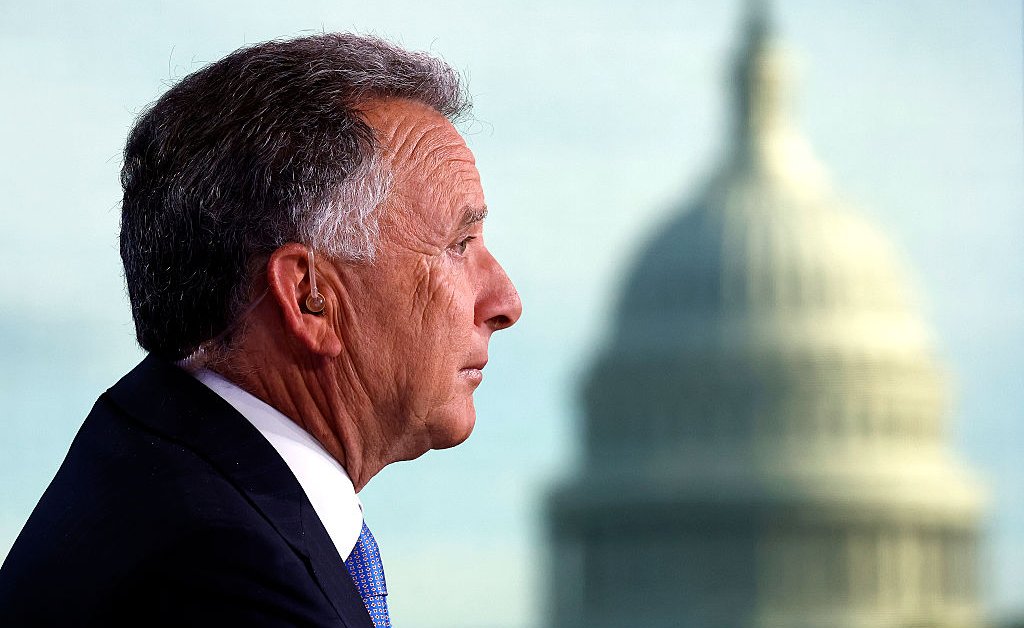
U.S. Special Envoy for Iran
President of Iran
Supreme Leader of Iran
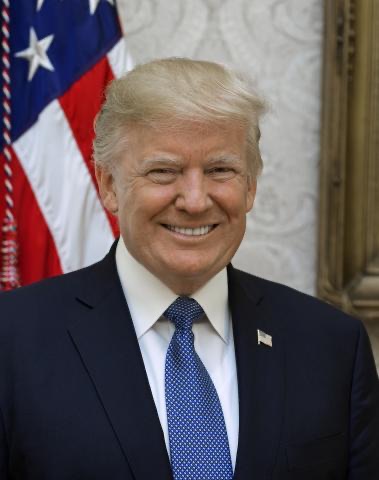
President of the United States
President of France