December 11, 2025
Indiana Senate rejects Trump redistricting as 21 GOP defect

First GOP-led state rejects Trump as 21 Republicans face swatting, death threats
📊Electoral Systems📜Constitutional Law🏛️Government
December 11, 2025
First GOP-led state rejects Trump as 21 Republicans face swatting, death threats
Trump led a weeks-long pressure campaign against Indiana Senate Republicans, demanding they pass new congressional district lines that would boost the GOP in 2026 midterms
The proposed maps aimed to dismantle Indiana's two Democratic-controlled districts
Republicans expected to gain two additional U.S House seats if the redistricting bill passed Trump personally called senators and posted on social media naming individuals who opposed the plan.
The Indiana House passed the redistricting bill first, advancing it to the Senate for a final vote
The bill's author, Republican state Rep. Bob Heaton, admitted the maps were drawn 'purely for political performance' of the GOP
This candid admission acknowledged the partisan motivation behind mid-decade redistricting, a practice typically reserved for post-census adjustments The House vote showed party-line support among Republicans eager to please Trump.
Heritage Action posted on social media hours before the Thursday vote that if Indiana fails to pass the map, 'all federal funding will be stripped from the state.' The group warned that 'roads will not be paved,' 'guard bases will close,' and 'major projects will stop.'
This extraordinary threat from a dark money group suggested punishing an entire state for how its legislators vote. A White House official pushed back against Heritage's post, stating 'This is not true that any of us know of and none of us are aware of anyone talking to Heritage.'
Twenty-one Indiana Senate Republicans broke ranks to join all 10 Democrats in voting down the redistricting plan
The final vote was 31-19 in a chamber where Republicans hold 40 of 50 seats
Senate President Pro Tem Rodric Bray led the opposition, telling colleagues 'We can't be bullied' by Trump and outside groups The bipartisan rejection reflected deep concerns about mid-decade gerrymandering and threats to legislative independence.
The proposed maps would have carved up Democratic Rep. André Carson's 7th District in Indianapolis, the state's most urban and racially diverse district
Democratic House lawmakers denounced the redistricting as a racial gerrymander designed to dilute Black and urban voting power
The plan would have split Carson's district among four new districts, ensuring no single district could elect a Democrat Similar treatment would have dismantled Rep. Frank Mrvan's district in the Lake Michigan area near Chicago.
Trump threatened primary challenges against senators who voted no, saying of Senate President Pro Tem Rodric Bray, 'I'm sure that whenever his primary is—it's, I think, in two years—but I'm sure he'll go down. I'll certainly support anybody that wants to go against him.'
These threats marked a rare instance of Trump targeting Republican officials in a deep red state for refusing to follow his demands. The threats aimed to intimidate lawmakers into compliance before the Dec. 11 vote.
Indiana typically uses census-based redistricting cycles, with the next scheduled redistricting in 2031 after the 2030 census
Trump's push for mid-decade redistricting broke from this norm, reflecting his desire to maximize Republican House seats before the 2026 midterms
The Senate's rejection preserved Indiana's current congressional map through the 2026 and 2028 elections Democratic Reps Carson and Mrvan will continue representing their current districts.
Election law professor Luis Fuentes-Rohwer of Indiana University called Heritage Action's funding threat 'coercion on steroids' and stated that 'coercion is clearly unconstitutional.' Georgetown Law professor Meryl Justin Chertoff said that if Trump did threaten to withhold all federal funding from Indiana, it would violate the law.
Federal funding to states cannot be conditioned on legislative votes unrelated to the funding program. The legal scholars' statements highlighted the constitutional limits on presidential power over state legislatures.
How many of Indiana's 9 House seats do Republicans currently hold?
How many Republicans are in the Indiana State Senate?
What percentage did Democrat Frank Mrvan win by in Indiana's 1st District in 2024?
How many additional House seats would the new Indiana maps have given Republicans?
Which Indiana Democrat-held district covers Indianapolis?
Upgrade to Premium to access all practice questions and unlock advanced quiz features.
Upgrade to PremiumThese questions are part of the Indiana Senate rejects Trump redistricting as 21 GOP defect topic. Master this topic by completing the quiz or exploring each question in detail.
Take the full quiz to master this topic and track your progress.
Start QuizIndiana Senate President Pro Tem (Republican)
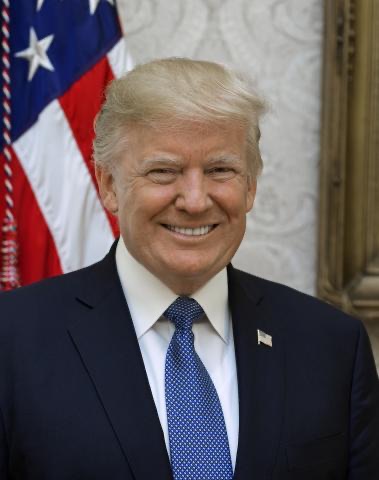
President of the United States
Vice President of the United States
Indiana Governor (Republican)
Indiana State Senator (Republican)
Indiana State Senator (Republican)
civic action
Contact Sen. Rodric Bray to support his resistance to Trump's threats
Thank Bray and the 20 other Republican senators who voted no for defending democratic principles against federal bullying and primary threats.
civic action
Report Heritage Action threats to federal authorities
Heritage Action's threat to strip federal funding and close Guard bases may constitute illegal coercion of state legislators. Contact FBI to report potential federal crimes.