January 7, 2026
ICE Shooting in Minneapolis and Trump's Insurrection Act Threat

ICE agent kills American mother as Trump threatens military deployment
🏛️Government📜Constitutional Law🛡️National Security🛂Immigration✊Civil Rights
January 7, 2026
ICE agent kills American mother as Trump threatens military deployment
On January 7, 2026, at 9:38 a.m., ICE agent Jonathan Ross—a 43-year-old veteran with 11 years at DHS—fatally shot Renee Nicole Good, a 37-year-old U.S. citizen, writer, and mother, in south Minneapolis
Eyewitness Emily Heller stated Ross stepped in front of Good's slow-moving SUV and fired three shots through her windshield and side window, killing her
Good had just dropped her six-year-old son at school before the shooting The incident occurred during the largest immigration enforcement operation in U.S. history, with roughly 3,000 federal agents deployed to Minneapolis—a force five times larger than the city's 600-officer police department This deployment included over 2,000 ICE officers and agents plus hundreds of Border Patrol personnel.
Within hours of the shooting, DHS Secretary Kristi Noem labeled Good's actions 'domestic terrorism' and claimed she 'weaponized her vehicle' to attack the agent—a designation made before any investigation
Minnesota Attorney General Keith Ellison called this 'an abuse of the term,' and legal experts told PolitiFact there was no public evidence Good's conduct could be prosecuted under federal terrorism statutes
The designation was 'entirely pejorative and prejudicial,' experts said Good had no criminal record, and her ex-husband stated she wasn't an activist and he hadn't known her to participate in protests Multiple eyewitness videos corroborated Heller's account that Good was attempting to leave when Ross fired.
The investigation collapsed into federal-state warfare over evidence and jurisdiction
On January 8, the Minnesota Bureau of Criminal Apprehension disclosed that the FBI had revoked their access to evidence, reversing an earlier agreement for a joint investigation
The BCA withdrew after determining that without 'complete access to the evidence, witnesses and information collected,' they could not meet 'the investigative standards that Minnesota law and the public demands.' Deputy Attorney General  Todd Blanche announced the DOJ believed there was no basis for a criminal investigation into Ross's actions At least six federal prosecutors in Minnesota resigned in protest after receiving pressure from DOJ leadership in Minneapolis and Washington to investigate Good's ties to activist groups and her widow—despite such activity being First Amendment-protected speech.
State prosecutors face steep jurisdictional obstacles in pursuing criminal charges
Minnesota has authority to prosecute crimes committed in the state, but federal agents can invoke Supremacy Clause immunity by claiming they acted within their official duties
Federal courts must determine whether the agent was performing federal duties and whether those actions were reasonable Legal scholars note federal officers lose immunity only if they 'acted beyond the scope of their duties, violated federal law, or behaved in an egregious or unwarranted manner.' Historical precedent exists: a 9th Circuit ruling allowed Idaho to prosecute an FBI sniper for involuntary manslaughter in the Ruby Ridge case after finding 'material questions of fact' about whether deadly force was reasonable If convicted on state charges, Ross could not receive a presidential pardon, as pardon power applies only to federal offenses.
President Trump threatened to invoke the Insurrection Act on January 15, writing on Truth Social: 'If the corrupt politicians of Minnesota don't obey the law and stop the professional agitators and insurrectionists from attacking the Patriots of I.C.E., who are only trying to do their job, I will institute the INSURRECTION ACT.' The 1807 law grants presidents authority to deploy military forces domestically, providing the primary exception to the Posse Comitatus Act which bars military domestic law enforcement
Sections 252-253 allow presidents to deploy troops without state consent; Section 251 requires a state request
No president has invoked the Act without state request since 1965 Courts can review deployments for bad faith or lawless action under Sterling v Constantin (1932).
On January 14, federal officers shot a second person—Venezuelan national Julio Cesar Sosa-Celis—in the leg during what DHS described as a traffic stop where he allegedly 'violently assaulted' an officer
DHS claimed two men attacked the officer with a snow shovel and broom handle
That night, federal officers wearing gas masks and helmets fired tear gas into a crowd of protesters near the shooting site Protesters responded by throwing rocks and shooting fireworks Minneapolis Police Chief Brian O'Hara reported 30 arrests after protesters allegedly blocked roadways and damaged property at a hotel By this point, DHS reported making over 2,400 arrests in Minnesota since early December, including what ICE Director Tom Homan described as 'murderers and child rapists.'
Community resistance networks mobilized rapidly through existing infrastructure
The Immigrant Defense Network—an umbrella of about 100 immigrant, labor, legal, faith, and community organizations—trained approximately 2,500 Minnesotans to respond to ICE actions as legal observers
Thousands more signed up for Monarca network trainings, which filled to capacity through January These observers, many multilingual, received toll-free phone and texting options to document federal activity 24/7 Block watches and neighborhood chat groups from the 2020 George Floyd uprising morphed into large-scale ICE tracking networks Mutual aid efforts included the Minnesota Immigrant Rights Action Committee's food card fundraiser, while Defend612 coordinated hyperlocal support including rides, grocery runs, and ICE-watch shifts The movement secretly transported immigrant children to school and delivered meals to families in hiding.
Who was killed by an ICE agent in Minneapolis on January 7, 2026?
No president has invoked the Insurrection Act without state request since 1965.
Governors can legally veto presidential federalization of their state's National Guard.
When was the Insurrection Act last formally invoked before Trump's 2026 Minneapolis threat?
What year was the Insurrection Act originally enacted?
Upgrade to Premium to access all practice questions and unlock advanced quiz features.
Upgrade to PremiumThese questions are part of the ICE Shooting in Minneapolis and Trump's Insurrection Act Threat topic. Master this topic by completing the quiz or exploring each question in detail.
Take the full quiz to master this topic and track your progress.
Start Quiz37-year-old U.S
43-year-old ICE deportation officer who shot and killed Renee Good
39-year-old eyewitness who observed the shooting from outside her home around 9:30 a.m
DHS Secretary who labeled Good's actions 'domestic terrorism' within hours of the shooting—before any investigation—and claimed Good 'weaponized her vehicle.' Noem stated Good was 'stalking and impeding' officers throughout the day.
Hennepin County Attorney who, along with Attorney General Keith Ellison, launched a public evidence portal after being shut out of the FBI investigation
Minnesota Attorney General who called Noem's 'domestic terrorism' label 'an abuse of the term' and sued the Trump administration with Minneapolis and Saint Paul, alleging the ICE operation amounted to 'a federal invasion of the Twin Cities.'
Minneapolis Mayor who called Good's death 'a federal agent recklessly using power that resulted in somebody dying' and told ICE on January 9 to 'get the f--- out of Minneapolis.' Frey later urged residents not to take actions justifying 'further federal escalation or militarized response.'
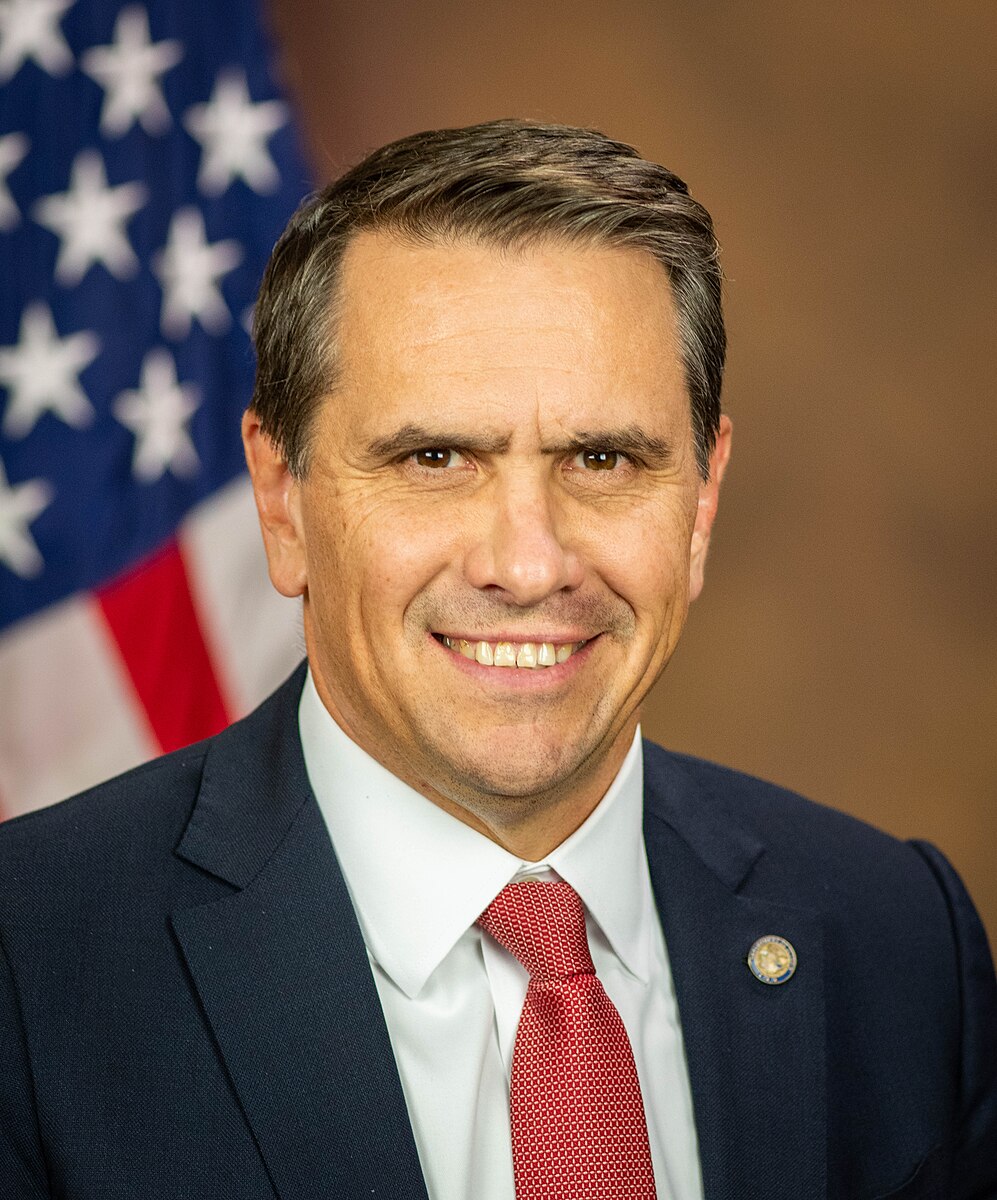
Deputy Attorney General who announced the DOJ believed there was 'currently no basis' for a criminal investigation into Ross's actions by the Justice Department's Civil Rights Division, despite at least six Minnesota federal prosecutors resigning in protest.
Former acting ICE director and White House border czar who stated that Mayor Frey and Governor Tim Walz's demands that federal agents leave could be resolved if Minneapolis allowed ICE into its jails to take custody of undocumented immigrants with criminal records
No