July 23, 2025
SecDef Hegseth leaks classified CENTCOM plans via Signal
Hegseth shared "SECRET/NOFORN" attack plans on messaging app
🛡️National Security🔐Ethics
July 23, 2025
Hegseth shared "SECRET/NOFORN" attack plans on messaging app
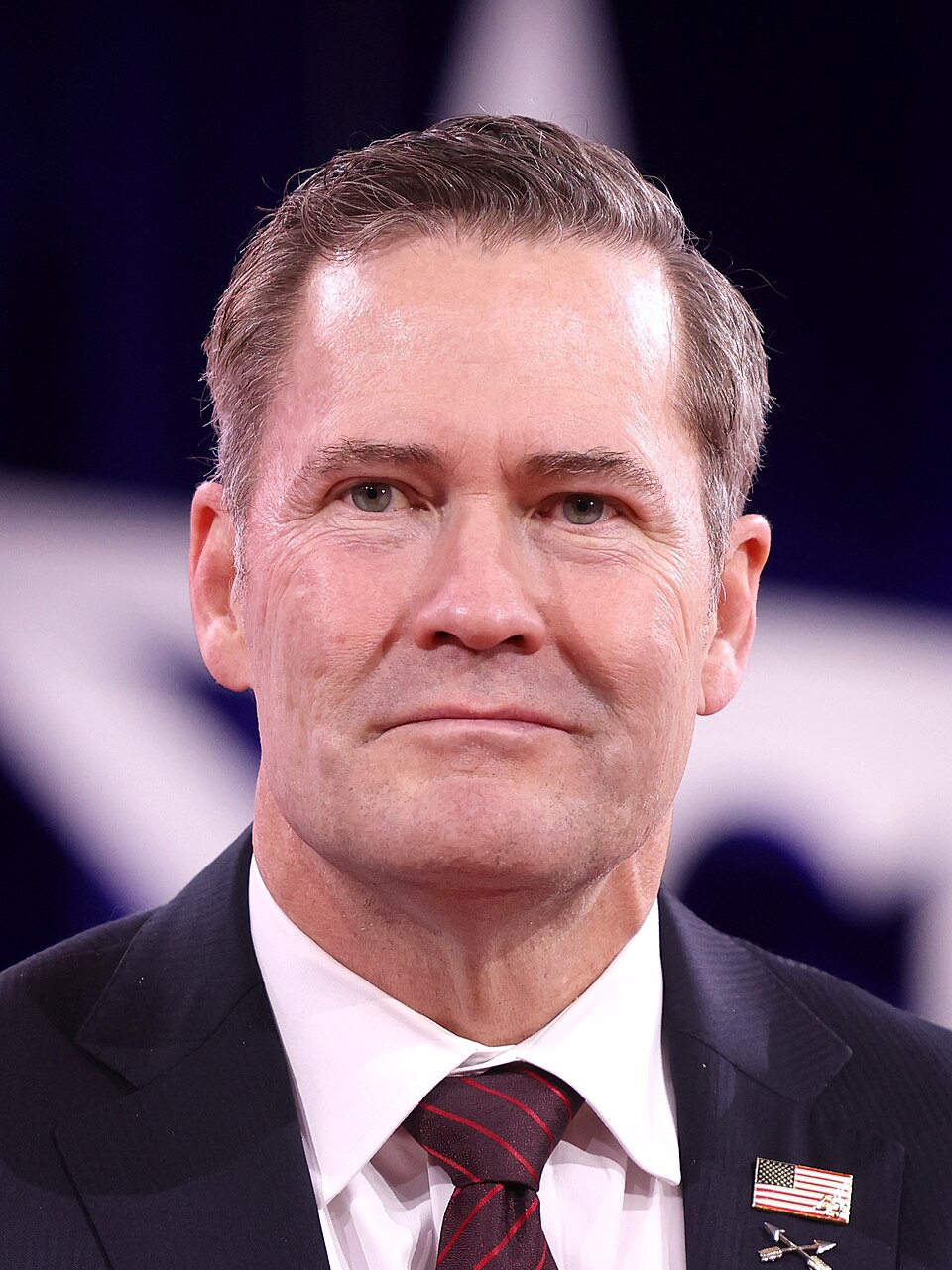
On Mar. 15, 2025, Defense Secretary Pete Hegseth transmitted classified military strike plans for Yemen through the Signal messaging app just hours before U.S. forces launched Operation Rough Rider against Houthi rebels. The operational intelligence came directly from a classified email marked SECRET/NOFORN that CENTCOM Commander Gen. Michael Erik Kurilla sent over the military's secure SIPRNet system on Mar. 14, 2025. The SECRET designation means unauthorized disclosure could cause serious damage to national security, while NOFORN prohibits sharing with foreign nationals—even close U.S. allies. Hegseth copied these details into a Signal group chat labeled "Houthi PC Small Group" that included Vice President JD Vance, Secretary of State Marco Rubio, DNI Director Tulsi Gabbard, and other senior officials. The messages outlined, to the minute, when two waves of F-18 Hornet fighters were planned to launch, approximately when each group would hit their targets, and detailed plans for drone and Tomahawk missile strikes.
The security breach became public when National Security Adviser  Mike Waltz inadvertently added Jeffrey Goldberg, editor-in-chief of The Atlantic magazine, to the Signal chat instead of White House spokesman Brian Hughes due to a phone contact error. Goldberg observed the conversation without participating and eventually removed himself from the chat. On Mar. 26, 2025, Goldberg published the leaked strike plans in The Atlantic, exposing the security failure and forcing a
  Pentagon Inspector General investigation. The public disclosure gave America's adversaries detailed operational intelligence about U.S. military capabilities, tactics, and timing that could be used to counter future operations. Military experts stated this marked one of the highest-profile operational security (OPSEC) violations in modern history, noting that a lower-level service member would face court-martial for sharing similar information.
Pentagon Inspector General Steven Stebbins launched a formal investigation on Apr. 3, 2025, at the bipartisan request of Senate Armed Services Committee Chairman Roger Wicker (R-Miss.) and Ranking Member Jack Reed (D-R.I.). The IG investigation concluded in Dec. 2025 that Hegseth's transmission of nonpublic operational information over Signal "created a risk to operational security that could have resulted in failed U.S. mission objectives and potential harm to U.S. pilots." The report found Hegseth violated DoD regulations by using his personal cell phone for classified discussions and failing to retain Signal conversations as official records as required by federal law and Pentagon policy. Investigators also discovered that Hegseth shared strike details in a second Signal chat that included his wife Jennifer (a former Fox News producer with no official Pentagon role), his brother Phil Hegseth, and his personal attorney Tim Parlatore. None of these family members had security clearances or official need-to-know for classified military operations.
Hegseth refused to fully cooperate with the Pentagon IG investigation, declining to sit for an in-person interview and providing only a few Signal messages to investigators instead of his complete chat history. Such refusal is "highly unusual" for senior officials, according to former Interior Department Inspector General Mark Lee Greenblatt, who noted it prevents investigators from asking follow-up questions and assessing witness credibility. Despite the IG's findings of regulatory violations and operational security risks, Chief Pentagon spokesman Sean Parnell claimed the report represented "total exoneration of Secretary Hegseth" and proved "no classified information was shared." Hegseth echoed this claim on social media, posting "No classified information. Total exoneration. Case closed." However, the IG report explicitly stated Hegseth's Signal messages matched information from Kurilla's SECRET/NOFORN email and violated DoD policies—contradicting the "total exoneration" characterization. Multiple lawmakers who reviewed the classified report rejected Hegseth's claims, with Rep. Don Bacon (R-Neb.) saying Hegseth should "take responsibility" and Rep. Adam Smith (D-Wash.) stating "He was not exonerated by that report."
The Pentagon failed to conduct a routine damage assessment to determine whether Hegseth's disclosure compromised national security, ongoing intelligence operations, or sources and methods—in part because Hegseth never authorized such an investigation. Former senior defense officials told CNN that "100% a breach like that would warrant a top-to-bottom damage assessment by both DoD and the IC [Intelligence Community]." Instead of ordering a damage assessment, Hegseth turned his attention inward and focused on investigating suspected leakers on his own staff who might have provided information to The Atlantic. National Security Adviser Mike Waltz, who created the Signal group chat and added Goldberg by mistake, resigned on May 1, 2025, and President Trump subsequently nominated him for UN Ambassador. The scandal raised fundamental questions about whether senior Trump administration officials prioritize political loyalty over operational security protocols that exist to protect U.S. service members' lives.
TRUE or FALSE: The Atlantic published Pete Hegseth's Signal messages containing classified military details before the Pentagon Inspector General opened its formal investigation.
Match each actor to the action Defense Secretary took in the Signal leaks incident.
Fill in the blanks with the correct dates: - Hegseth posted the SECRET/NOFORN email into Signal on _____. - The Pentagon IG opened its investigation on _____.
Which body requested the Pentagon Inspector General open an investigation into Hegseth"s use of Signal?
What primary risk resulted from texting classified strike details on a commercial app like Signal?
Upgrade to Premium to access all practice questions and unlock advanced quiz features.
Upgrade to PremiumThese questions are part of the SecDef Hegseth leaks classified CENTCOM plans via Signal topic. Master this topic by completing the quiz or exploring each question in detail.
Take the full quiz to master this topic and track your progress.
Start QuizSecretary of Defense
Wife of Defense Secretary
National Security Advisor
Editor-in-Chief of The Atlantic
Vice President
DOD Oversight Office
White House Press Secretary