July 19, 2025
Congress passes GENIUS Act creating first federal stablecoin framework

Understand federal rules for dollar-pegged stablecoins
💰Economy💡Technology
July 19, 2025
Understand federal rules for dollar-pegged stablecoins
President Trump signed the GENIUS Act into law on Jul. 17, 2025. It creates the first federal framework for dollar-pegged payment stablecoins. The law targets coins redeemable one-to-one with the U.S. dollar.
The law requires full 1:1 reserve backing in permitted liquid assets. Issuers must make monthly reserve disclosures showing composition and liquidity. The law also requires anti-money-laundering and Bank Secrecy Act compliance.
Issuers with more than $50 billion in circulation must file audited annual financial statements. Smaller issuers must still provide monthly disclosures and face periodic examinations. The law sets higher reporting and audit thresholds for the largest firms.
Insured banks can issue stablecoins and may access Federal Reserve services under existing rules. Nonbank fintech firms can issue stablecoins only under the statute's guidance or through bank partnerships, and they don't automatically gain access to Fed emergency facilities. Regulators will clarify which entities can use which facilities during rulemaking.
The law mandates segregation of customer funds from company operating assets. It also creates statutory protections to prioritize holder assets in bankruptcy. Those rules aim to preserve redeemability and reduce losses to customers.
Treasury and FinCEN have key roles in AML rulemaking and enforcement
The Federal Reserve and Treasury will coordinate oversight and identify primary regulators for different issuer types
Final rules are required, and key provisions phase in over about 18 months after enactment with some shorter compliance windows during rulemaking Agencies will set exact timelines and enforcement details in those rules.
Congress and the administration say the law aims to keep U.S. leadership in global stablecoins and limit regulatory arbitrage. The framework sets a legal precedent for future digital-asset rules. It clarifies federal roles and paves the way for broader crypto policy.
The GENIUS Act requires stablecoin issuers to publicly disclose their reserve holdings.
Under the GENIUS Act, the SEC retains primary oversight of payment stablecoins.
Banks have warned that under the GENIUS Act, ______ could migrate to uninsured crypto reserves.
Which is NOT an aim of the GENIUS Act?
Which benefit of the GENIUS Act is highlighted in discussions about remittances and e-commerce?
Upgrade to Premium to access all practice questions and unlock advanced quiz features.
Upgrade to PremiumThese questions are part of the Congress passes GENIUS Act creating first federal stablecoin framework topic. Master this topic by completing the quiz or exploring each question in detail.
Take the full quiz to master this topic and track your progress.
Start Quiz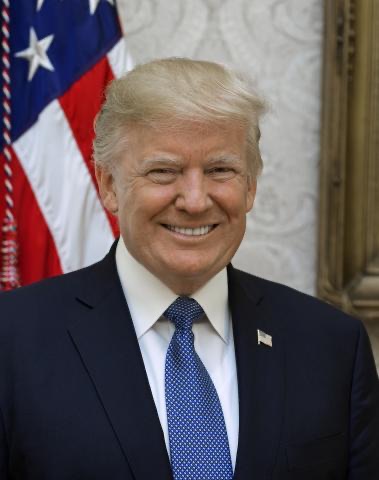
President of the United States
House Majority Whip
Circle CEO

Federal Reserve Chairman
SEC Chairman