October 17, 2025
Trump pushes Ukraine to surrender territory to Russia at frozen lines
Trump pushes Ukraine to surrender territory after telling Putin no Tomahawks
🌍Foreign Policy🛡️National Security
October 17, 2025
Trump pushes Ukraine to surrender territory after telling Putin no Tomahawks
Trump met Ukrainian President Volodymyr Zelenskyy at the White House for lunch on Oct. 17, 2025. The meeting lasted more than two hours.
According to European officials briefed on the meeting, the discussion turned acrimonious when Trump raised his voice multiple times while insisting Ukraine make territorial concessions to Russia to end the war.
Zelenskyy brought battle maps showing current front lines, hoping to convince Trump to send long-range Tomahawk missiles. Trump rejected Zelenskyy's requests and instead pushed for a ceasefire frozen at current battle lines where Russia controls occupied territory.
Trump called Russian President  Vladimir Putin on Oct. 16, 2025, the day before meeting Zelenskyy. According to the Kremlin, Putin warned during this call that supplying Ukraine with Tomahawk cruise missiles would "change battlefield conditions and would risk drawing U.S. forces into direct conflict."
Trump told Putin he was "not inclined" to approve advanced weapons that could strike deep into Russian territory. After this call, Trump shifted to pressuring Zelenskyy to accept frozen lines rather than continue fighting for territorial recovery.
Russia currently controls approximately 78 percent of Donbas according to Trump's statement. This includes 75 percent of Donetsk Oblast and all of Luhansk Oblast.
Russia also holds 74 percent of Zaporizhzhia and Kherson oblasts. Russia annexed Crimea in 2014.
Trump told reporters on Air Force One, "I think 78 percent of the land is already taken by Russia. They should stop right now at the battle lines. Go home, stop killing people and be done." A ceasefire at current lines would leave these territories under Russian control permanently.
Trump told Zelenskyy that Ukraine would not receive long-range Tomahawk missiles. These missiles can strike targets deep inside Russian territory.
Zelenskyy had specifically requested them as part of his "victory plan" for defending Ukraine.
After the meeting, Trump told Fox News that Ukraine shouldn't hope for Tomahawks "in the near future." He stated America needs those weapons for its own military. The denial of advanced weapons leaves Ukraine dependent on shorter-range systems that cannot reach Russian territory.
The Oct. 17 meeting came two months after Trump met Putin in Alaska on Aug. 15, 2025. This was Putin's first visit to any Western country since he invaded Ukraine in Feb. 2022. Trump hosted Putin at a military base in Anchorage.
The Alaska summit did not produce a ceasefire. Trump called it "productive" and rated it "10 out of 10." Putin suggested meeting again in Moscow.
Trump said he could "see it possibly happening." The two leaders reportedly discussed security guarantees.
European officials told the media that Trump's Oct. 17 demands were "slightly less sweeping" than Putin's Aug. proposals but still require Ukraine to lose major territory. At the Alaska summit, Putin said he would stop the war if Ukraine gave up all of eastern Donbas.
Zelenskyy rejected that proposal at an Aug. 18 White House meeting.
Trump told staff he wanted a ceasefire at current lines "because of the realities of where the conflict stands." He cited devastation and killing as reasons for stopping rather than continuing the war.
Zelenskyy called the Oct. 17 meeting a "pointed conversation" on social media. He said it "can really help bring this war closer to an end."
But Zelenskyy told reporters outside the White House, "The most difficult question will be in any kind of negotiations, in any format of negotiation, will be the territory."
When asked about Trump's suggestion to freeze current lines, Zelenskyy said, "We have to stop where we are. This is important, to stop where we are, and then to speak." Zelenskyy appeared to accept temporarily halting fighting but rejected permanent territorial concessions.
After the Alaska summit failed to move Putin toward ending the war, Trump shifted pressure from Russia to Ukraine. Chatham House analysts wrote that Trump couldn't make any impression on Putin in Alaska, so he turned to "the softer target"—Zelenskyy.
Trump is attempting to force Zelenskyy to surrender territory by denying military aid.
A CNN reporter covering the Alaska summit noted that Trump's biggest gift to Putin wasn't the red carpet welcome. It was time. While diplomats negotiate, Russian forces continue taking ground at the front lines daily.
Trump denied Zelenskyy the long-range Tomahawk missiles that could strike deep into Russian territory.
Putin called Trump on October 16, 2025, one day before the Zelenskyy meeting, and demanded Ukraine surrender the entire Donbas region
Trump maintained a consistent position throughout fall 2025 that Ukraine should cede territory to end the war
Trump said Russia controls what percentage of Donbas and Ukraine should freeze at current battle lines?
How did Zelenskyy respond to Trump's demand that Ukraine cede the Donbas?
Upgrade to Premium to access all practice questions and unlock advanced quiz features.
Upgrade to PremiumThese questions are part of the Trump pushes Ukraine to surrender territory to Russia at frozen lines topic. Master this topic by completing the quiz or exploring each question in detail.
Take the full quiz to master this topic and track your progress.
Start Quiz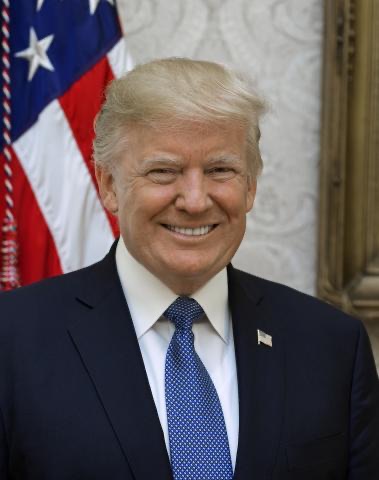
U.S. President
Ukrainian President
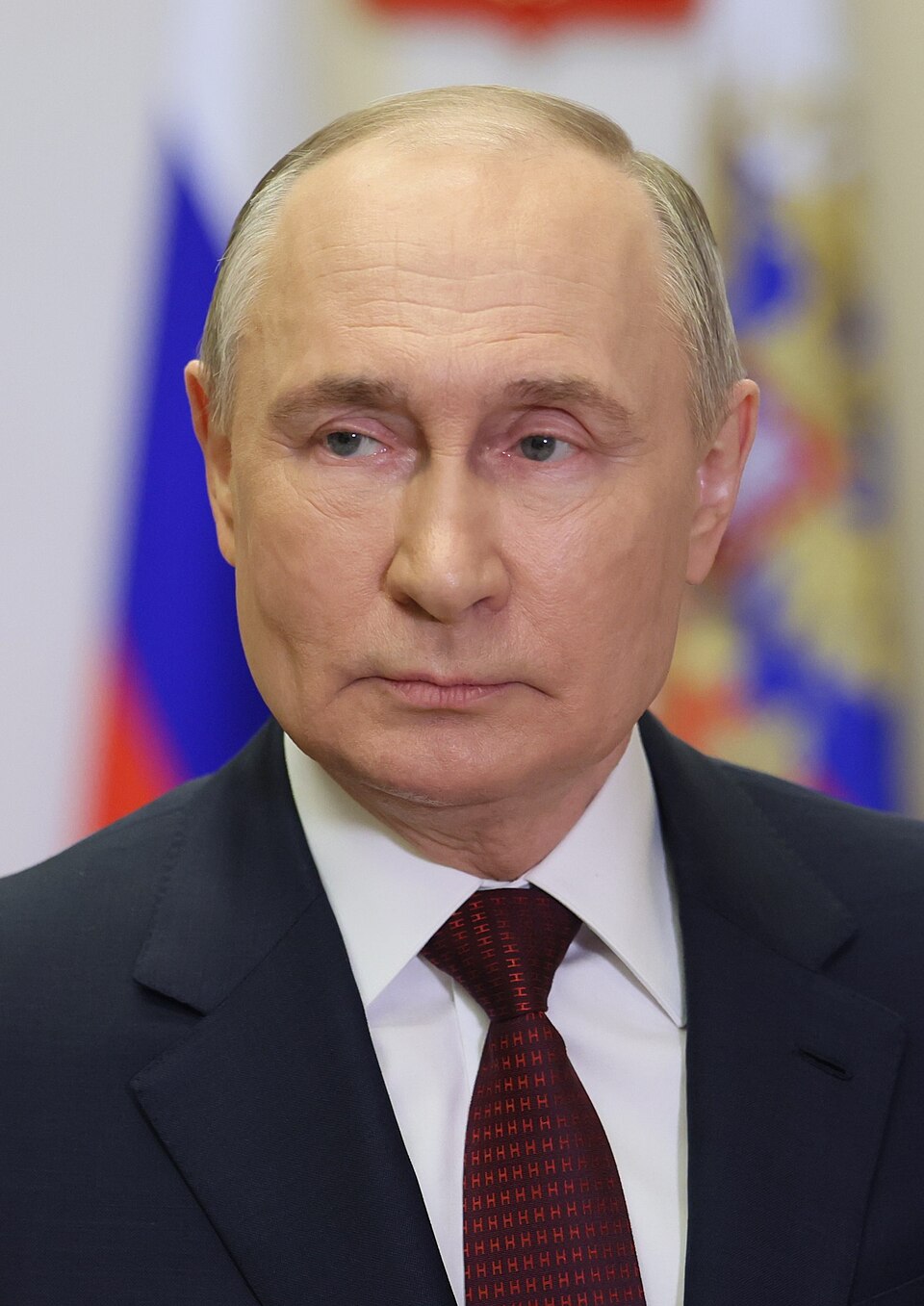
Russian President
Secretary of State
Vice President
White House Chief of Staff
Treasury Secretary
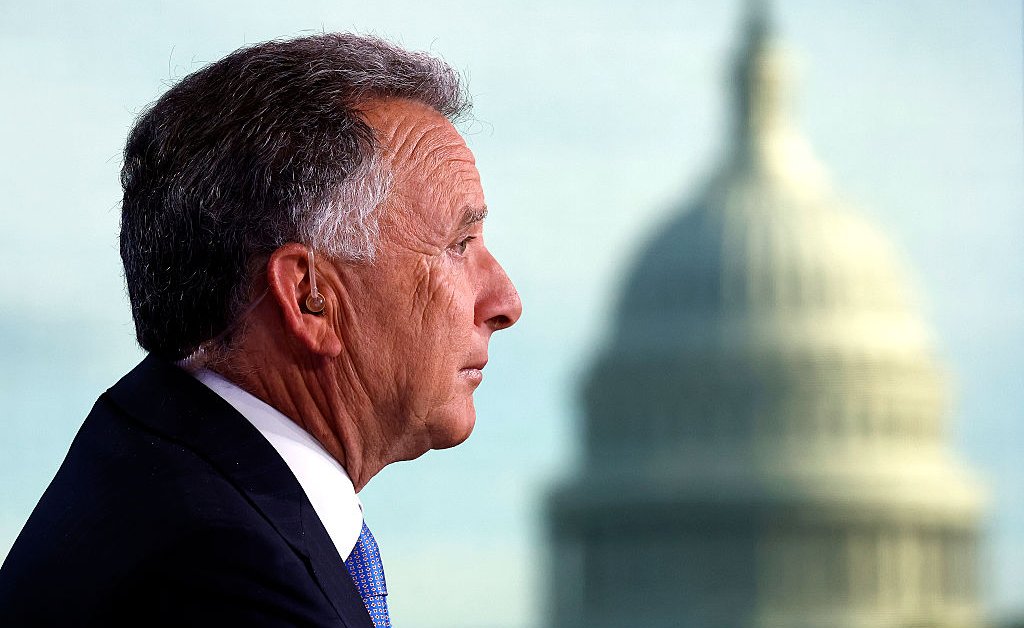
Trump's Special Envoy for Peace Missions
Contact your senators to oppose indefinite military aid cuts to Ukraine
Call the Senate Armed Services Committee to urge funding for Tomahawk missiles and other long-range systems for Ukraine. Congress appropriates military aid—Trump cannot unilaterally cut funding already approved. Reference specific bills on Congress.gov that authorize weapons systems.
Monitor state.gov for official Ukraine policy statements
Track state.gov and whitehouse.gov for official statements on Ukraine policy. Subscribe to State Department press briefing notifications. Compare public statements to private meetings to identify policy shifts.
Follow European leaders' Ukraine coordination
Monitor europa.eu and nato.int for EU and NATO responses to Trump's freeze proposal. European Commission President Ursula von der Leyen and NATO Secretary General Mark Rutte coordinate with Zelenskyy on military aid. Europe may fill aid gaps if the U.S. cuts support.
Track Institute for the Study of War daily assessments
Read understandingwar.org daily updates showing Russian territorial gains. ISW maps show ground control changing in real time. A freeze at current lines means different things depending on when the freeze occurs—Russia gains ground daily.
Monitor International Criminal Court proceedings
Track icc-cpi.int for cases against Russian leadership. An ICC arrest warrant against Putin prevented his attendance at the G20 summit. Trump's plans to visit Moscow create legal complications if the U.S. recognizes ICC authority.