October 1, 2025
About 750,000 federal workers furloughed as Senate votes fail amid ACA subsidy fight


Republicans control all branches but blame Democrats for shutdown
💵Tax & Budget🏛️Government🏢Legislative Process
October 1, 2025
Republicans control all branches but blame Democrats for shutdown
The federal government shut down at 12:01 a.m. EDT on Oct. 1, 2025, after the Senate failed to invoke cloture on competing stopgap funding measures. The Senate needed 60 votes to end debate but repeatedly fell short with tallies like 55-45 and 47-53.
Approximately 750,000 federal employees were furloughed without pay, while 700,000+ essential workers were required to continue working without immediate paychecks. This affected agencies across the executive branch.
The shutdown centered on a dispute over extending enhanced Affordable Care Act premium tax credits set to expire Dec. 31, 2025. Democrats demanded immediate extension; Republicans wanted to negotiate separately.
President  Donald Trump publicly urged Republican senators to hold firm in the dispute and met with GOP leadership to coordinate strategy. Trump used the shutdown as leverage for policy concessions.
OMB Director Russell Vought issued contingency guidance on Sep. 30, 2025, directing agencies to prepare reduction-in-force and shutdown staffing plans. This guidance went beyond standard shutdown procedures.
Labor unions AFGE and AFSCME filed suit on Sep. 30, 2025, in U.S. District Court for the Northern District of California, challenging OMB and OPM guidance that directed agencies to consider RIFs during the funding lapse.
The 2018-2019 government shutdown lasted 35 days and cost the economy $11 billion according to Congressional Budget Office estimates. That shutdown permanently reduced GDP by $3 billion as economic activity was lost forever.
Federal contractors faced $2 billion in losses during the 2018-2019 shutdown and were not guaranteed back pay, unlike federal employees who receive back pay under the Government Employee Fair Treatment Act of 2019.
House Speaker Mike Johnson canceled all House votes for October 7-13 during the shutdown, telling members to stay home in their districts instead of returning to Washington to negotiate.
Trump posted on Truth Social that Democrats gave him an "unprecedented opportunity" to permanently cut federal programs during the shutdown.
Republicans argued there's plenty of time to negotiate ACA subsidies after reopening government because they don't expire until December 31, 2025.
OMB Director Russell Vought told House Republicans that mass layoffs would begin within how many days of the shutdown starting?
Approximately how many federal workers were furloughed or working without pay when the government shut down October 1, 2025?
Upgrade to Premium to access all practice questions and unlock advanced quiz features.
Upgrade to PremiumThese questions are part of the About 750,000 federal workers furloughed as Senate votes fail amid ACA subsidy fight topic. Master this topic by completing the quiz or exploring each question in detail.
Take the full quiz to master this topic and track your progress.
Start Quiz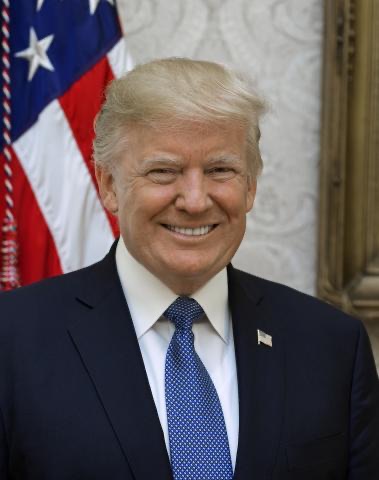
President of the United States
Director, Office of Management and Budget
Senate Republican leader

Speaker of the House
civic action
Demand congressional action to prevent future government shutdowns over health care
Seven hundred fifty thousand federal workers were furloughed for 43 days in the longest government shutdown in history, costing nearly $14 billion in lost wages. The October 1, 2025 shutdown was driven by a fight over ACA premium subsidies that would have doubled health insurance costs for 24 million Americans. While active-duty military received pay through reallocation, federal workers missed paychecks until November 12, 2025, when Congress finally passed appropriations.
Hello, I am [NAME], a constituent from [CITY/STATE]. I am calling to demand action to prevent future government shutdowns that harm federal workers and families.
Key concerns:
Questions to ask:
Specific request: I urge you to support legislation that prevents government shutdowns and protects federal workers from being used as political bargaining chips.
Question: What concrete steps will you take to prevent another 43-day shutdown?
Thank you for your time.
understanding
Track proposed subsidy changes before open enrollment
Consumers eligible for ACA marketplace subsidies should follow Congressional action through Nov. and Dec. 2025, because subsidy law changes can alter 2026 premiums.
How to Track ACA Subsidy Changes During Shutdown
Background: The federal government shut down on Oct. 1, 2025, after the Senate failed cloture votes on competing stopgap funding measures. The shutdown was tied to an ACA subsidy fight. Consumers eligible for ACA marketplace subsidies should follow Congressional action through Nov. and Dec. 2025, because subsidy law changes can alter 2026 premiums.
Key information:
How to track changes:
Monitor Congressional action:
Check Health Insurance Marketplace:
Contact your state insurance department:
Follow news and advocacy groups:
What to watch for:
Why this matters: Subsidy changes can significantly affect your 2026 health insurance costs. Tracking Congressional action helps you understand your options and prepare for potential premium increases.