January 14, 2026
FBI raids Post reporter covering Trump's federal workforce purge


Bondi reverses journalist protections three months before unprecedented search
✊Civil Rights🏛️Government📰Media Literacy
January 14, 2026
Bondi reverses journalist protections three months before unprecedented search
On Jan. 14, 2026, FBI agents executed a search warrant at the Alexandria, Virginia home of Washington Post reporter Hannah Natanson, seizing her phone, two laptops, and Garmin watch. This marked the first time in U.S. history that the Justice Department executed a search warrant at a reporter's home in a national security leak case—a 'radical escalation' that even the Obama administration, criticized for aggressive leak investigations, never attempted.
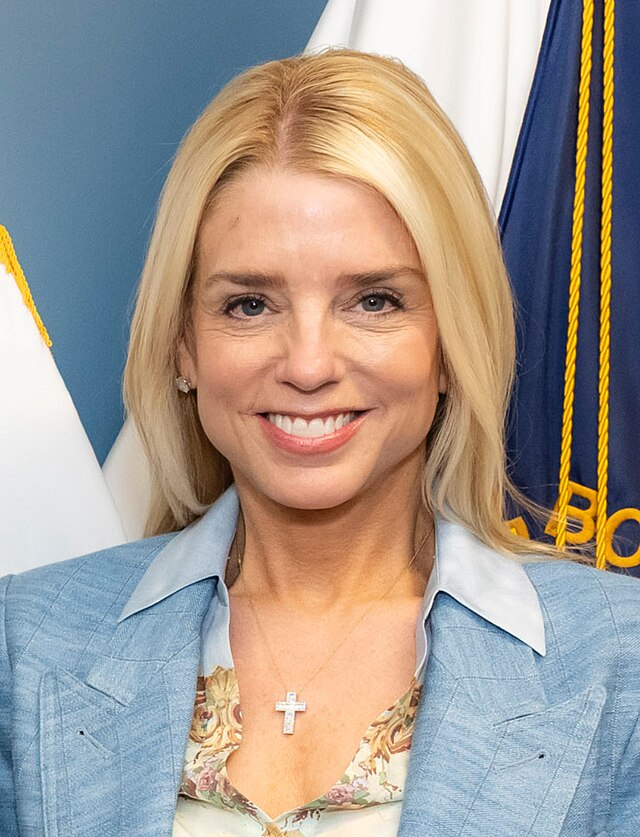
Attorney General  Pam Bondi rescinded Biden-era journalist protections on Apr. 25, 2025, three months before the raid. The rescission reversed a 2022 policy that prohibited DOJ from using subpoenas, court orders, or search warrants against journalists for 'receipt, possession, or publication' of classified material. The new policy reverted to a 'balancing test' that weighs law enforcement interests against press freedom, explicitly allowing prosecutors to compel testimony and records from reporters.
The raid targeted Natanson's sources on classified Venezuela intelligence
Natanson co-authored a Jan. 6, 2026 Washington Post story titled 'Maduro raid killed about 75 in Venezuela, U.S. officials assess,' citing government documents obtained by the Post
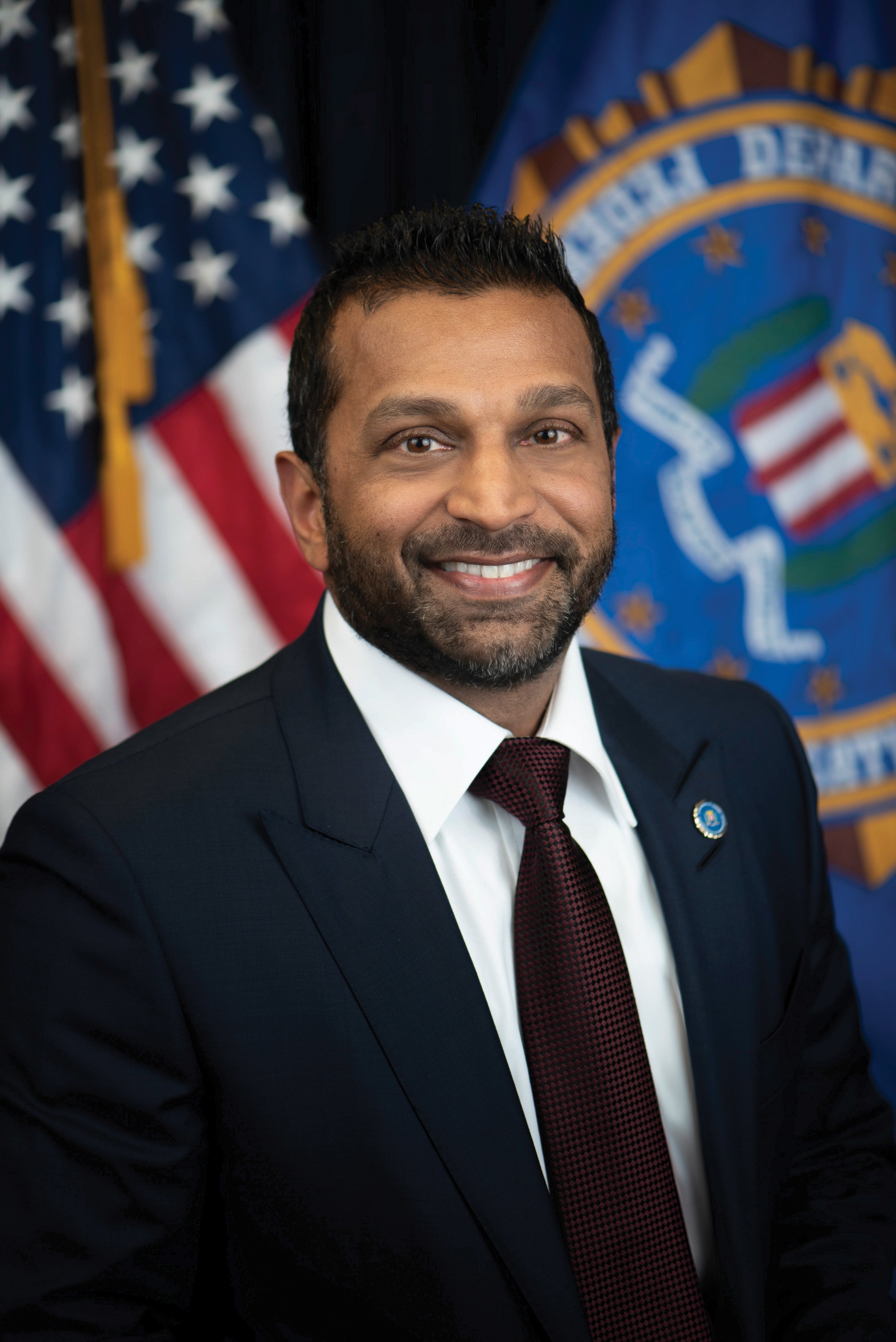
The story covered a violent Trump-approved military operation to capture Venezuelan President Nicolás Maduro FBI Director  Kash Patel and AG Bondi alleged Natanson obtained 'classified, sensitive military information' from Pentagon contractor Aurelio Perez-Lugones.
Perez-Lugones, a Maryland-based system engineer with top secret clearance, was arrested and charged with unlawful retention of national defense information under the Espionage Act. Prosecutors found classified documents marked 'secret' in his home, lunchbox, and car, including reports on Venezuela.
During his Jan. 15, 2026 detention hearing, prosecutors revealed Perez-Lugones told federal agents he mishandled classified information because he was angry about 'recent government activity.' Critically, he was charged only with retention—not leaking—yet the government cited speculative risk he 'could disseminate information if released.'
The search warrant exploited a narrow exception in the Privacy Protection Act of 1980, which generally bars warrants against journalists unless they are targets of a crime
By alleging Natanson's devices 'contain classified material,' the Trump administration circumvented the law's core protections designed after the 1978 Zurcher v
Stanford Daily Supreme Court case, which found unannounced newsroom searches could chill press freedom DOJ claimed neither Natanson nor the Post were 'targets'—but seized her devices anyway.
Natanson, dubbed the Washington Post's 'federal government whisperer,' had cultivated 1,169 sources while reporting on Trump's transformation of the federal workforce. Her Dec. 24, 2025 article detailed the brutal pace of covering frustrated federal workers under Trump administration changes. The raid functioned as both source identification and intimidation: by seizing all her devices, the FBI gained access to encrypted communications, source lists, and unpublished drafts, while sending a chilling message to potential whistleblowers.
Press freedom advocates and legal experts condemned the raid as unprecedented
Theodore Boutrous, a prominent First Amendment attorney, called it 'extraordinarily unusual' and noted search warrants against reporters involve 'very few examples' because they deny journalists the ability to challenge the order beforehand—unlike subpoenas
The Society of Professional Journalists called it 'a grave threat to press freedom,' warning it would deter both reporters and whistleblowers One expert stated: 'I strongly suspect that the search is meant to deter not just that reporter but other reporters from pursuing stories that are reliant on government whistleblowers.'
The raid occurred amid broader Trump administration attacks on press freedom. FBI Director Kash Patel, confirmed by the Senate 51-49 on Feb. 20, 2025 (with only moderate Republicans Susan Collins and Lisa Murkowski opposing), was a Trump loyalist who vowed to crack down on leaks. The administration's actions included a House Oversight Committee subpoena for reporter Seth Harp regarding Venezuela reporting, classified legal memos arguing Trump wasn't constrained by U.S. or international law in the Maduro capture operation, and President Trump publicly mentioning 'the leaker on Venezuela' was found and jailed.
How did the Reporters Committee for Freedom of the Press describe physical searches of journalists?
True or False: Hannah Natanson covers the Trump administration's reshaping of the federal government and its effects on government workers, and was part of a Pulitzer Prize-winning team.
True or False: Before the Hannah Natanson raid, the Justice Department had never executed a search warrant at a reporter's home in a national security leak case.
How do home raids on journalists in the U.S. compare internationally?
The House Judiciary Committee has jurisdiction to investigate DOJ's use of search warrants against journalists.
Upgrade to Premium to access all practice questions and unlock advanced quiz features.
Upgrade to PremiumThese questions are part of the FBI raids Post reporter covering Trump's federal workforce purge topic. Master this topic by completing the quiz or exploring each question in detail.
Take the full quiz to master this topic and track your progress.
Start QuizWashington Post reporter covering federal workforce and Trump administration; raid target whose home was searched Jan
U.S
FBI Director (confirmed Feb
Maryland-based Pentagon contractor and Navy veteran with top secret clearance, charged with unlawful retention of national defense information; alleged source of leaked Venezuela intelligence
U.S
First Amendment attorney who called the raid a 'radical escalation' and 'extraordinarily unusual' action against press freedom
Venezuelan President captured in Trump-approved military operation Jan