December 19, 2024
Georgia appeals court disqualifies Fani Willis from prosecuting Trump over romantic relationship

Appeals court removes DA from Trump prosecution over relationship, casting doubt on case's future
🗳️Elections
December 19, 2024
Appeals court removes DA from Trump prosecution over relationship, casting doubt on case's future
The Georgia Court of Appeals ruled 2-1 on Dec. 19, 2024, that Fulton County District Attorney Fani Willis must be disqualified from prosecuting  Donald Trump and co-defendants in the election interference RICO case. Judges Trenton Brown III and Todd Markle formed the majority, finding Willis's romantic relationship with special prosecutor Nathan Wade created an 'appearance of impropriety' that undermined public confidence in the prosecution. The ruling overturned Fulton County Judge Scott McAfee's Mar. 2024 decision allowing Willis to remain on the case if Wade resigned, which he did.
The majority opinion stated, 'While we recognize that an appearance of impropriety generally is not enough to support disqualification, this is the rare case in which disqualification is mandated and no other remedy will suffice to restore public confidence in the integrity of these proceedings.' The court didn't find actual financial conflict but ruled the appearance was sufficient. Judge Benjamin Land dissented, arguing defendants hadn't proven Willis received financial benefit from Wade's prosecutorial salary, which is the legal standard for conflict of interest.
Willis began a romantic relationship with Nathan Wade in 2019, before she was elected DA
She hired Wade as special prosecutor in Nov. 2021 to lead the Trump investigation, paying him over $700,000 for his work through 2023
Wade, who was going through a divorce, used some of that income to pay for trips he took with Willis, including vacations to Napa Valley, the Caribbean, and Florida Defense attorneys discovered the relationship through Wade's divorce proceedings and argued it created financial incentive for Willis to prolong the case, generating more fees for Wade and personal benefits for herself.
Judge Scott McAfee held evidentiary hearings in Mar. 2024 where Willis and Wade testified about their relationship timeline and finances
Willis testified the relationship began in 2022, after she hired Wade, and that she had reimbursed Wade in cash for her share of trip expenses
McAfee ruled the relationship created an 'appearance of impropriety' but found no actual conflict of interest proven He gave Willis a choice: either she could stay on the case if Wade resigned, or both would be disqualified Wade resigned immediately, allowing Willis to continue.
Trump and other defendants appealed McAfee's decision to the Georgia Court of Appeals, which accepted the case and stayed proceedings while considering the appeal
This froze the prosecution for nine months
Oral arguments were held in Dec. 2024 The appeals court's decision to disqualify Willis came just weeks before Trump's Jan. 2025 inauguration as president, creating additional complexity about prosecuting a sitting president.
The case now goes to Georgia's Prosecuting Attorneys' Council, which maintains a roster of district attorneys statewide who could take over the prosecution
Any DA who accepts would inherit a massive, politically explosive case with 14 remaining defendants (four co-defendants had already pleaded guilty)
Legal experts noted few DAs have resources to handle a RICO case of this scale, and many might decline due to political risk The Prosecuting Attorneys' Council could also decline to assign a prosecutor, effectively ending the case.
Trump's election victory in Nov. 2024 complicated the case's future
As president, Trump could face constitutional questions about whether a state can prosecute a sitting president
His legal team argued the prosecution should be dismissed entirely given his presidential immunity claims Even if a new prosecutor is found, they would need to familiarize themselves with thousands of documents and evidence, likely delaying any trial until after Trump's term ends in 2029 At that point, the alleged crimes would be nearly nine years old.
Four co-defendants — Sidney Powell, Kenneth Chesebro, Jenna Ellis, and Scott Hall — had pleaded guilty in 2023 and agreed to testify against remaining defendants including Trump
Their cooperation agreements were with Willis's office
A new prosecutor would need to determine whether to honor those agreements or renegotiate Any changes could affect whether the cooperating defendants would still testify The disqualification ruling didn't address what happens to the guilty pleas or cooperation agreements.
What was the vote margin when the Georgia Court of Appeals disqualified Willis?
True or false: After Fani Willis was disqualified, the RICO charges against Donald Trump and his co-defendants were automatically dismissed.
When did Fani Willis originally secure the RICO indictment against Donald Trump and 18 co-defendants in Georgia?
What was the basis for the Georgia Court of Appeals disqualifying Fani Willis from the Trump case?
True or false: Nathan Wade had extensive experience prosecuting complex RICO cases before being appointed special prosecutor in the Trump case.
Upgrade to Premium to access all practice questions and unlock advanced quiz features.
Upgrade to PremiumThese questions are part of the Georgia appeals court disqualifies Fani Willis from prosecuting Trump over romantic relationship topic. Master this topic by completing the quiz or exploring each question in detail.
Take the full quiz to master this topic and track your progress.
Start QuizFulton County District Attorney (disqualified)
Former Special Prosecutor
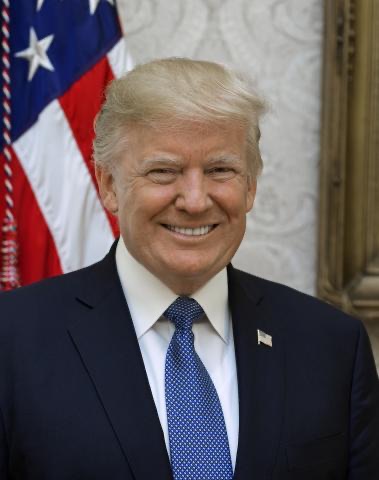
Former President, President-elect, Criminal Defendant
Fulton County Superior Court Judge
Georgia Court of Appeals Judge
Georgia Court of Appeals Judge (dissenting)
Defense Attorney for Co-defendant Michael Roman
civic action
Support ethics rules requiring DA financial disclosures for special prosecutor hires
Many jurisdictions lack requirements that district attorneys disclose personal relationships or financial connections with attorneys they hire. Clear disclosure rules prevent appearance of impropriety.
Dear Legislator [Name],
I am writing to support ethics reforms requiring district attorneys to disclose personal relationships and financial connections with special prosecutors they hire.
Key points to make:
Specific reforms needed:
Specific request: Introduce legislation requiring district attorneys to disclose personal and financial relationships with attorneys they hire for special prosecutions.
Thank you.
understanding
Understand how appearance standards differ from actual conflict standards
Courts use different standards for disqualification — some require proof of actual financial conflict, others find appearance sufficient. This affects prosecutorial independence.
civic action
Monitor Prosecuting Attorneys' Council handling of case reassignment
The council will decide whether to assign a new prosecutor or decline the case. Citizens can monitor this process and contact council members supporting case continuation.
I am writing to urge the Prosecuting Attorneys' Council to assign a qualified prosecutor to continue the Trump election interference case following DA Willis's disqualification.
Key points to make:
Questions to ask:
Specific request: Assign an experienced prosecutor with resources to continue this case and maintain continuity with cooperating witnesses.
Thank you.