January 13, 2026
DOJ Civil Rights Division leaders resign over blocked Minneapolis shooting investigation


Civil Rights Division leaders resign as AAG Dhillon blocks police shooting investigation
⚖️Justice✊Civil Rights🏛️Government
January 13, 2026
Civil Rights Division leaders resign as AAG Dhillon blocks police shooting investigation
At least four leaders of DOJ's Civil Rights Division criminal section resigned on Jan. 13, 2026, including the section chief, after Assistant Attorney General Harmeet Dhillon decided not to open a civil rights investigation into the Jan. 9 shooting of Renee Good by ICE agent Jonathan Ross during Minneapolis operations
The resignations represent a separate exodus from the DOJ Civil Rights Division in Washington, D.C., beyond the six Minnesota U.S
Attorney prosecutors who resigned the same day Sources told CBS News that career prosecutors objected to blocking an investigation that falls squarely within the Criminal Section's mandate—investigating fatal law enforcement shootings to determine if civil rights were violated.
The DOJ Civil Rights Division criminal section was founded 70 years ago specifically to investigate all fatal law enforcement shootings to ensure independent accountability for police violence
The section typically investigates whether shootings violated victims' civil rights, reviews use-of-force policies, and determines if criminal charges are warranted
Excluding the section from the Good shooting investigation breaks protocol designed to prevent political interference with police accountability The section has investigated thousands of police shootings over seven decades regardless of which party controlled the presidency or DOJ Dhillon's decision to exclude the section marks the first time in 70 years that a fatal law enforcement shooting wasn't reviewed by the division's criminal experts.
Deputy Attorney General  Todd Blanche claimed there was 'currently no basis for criminal civil rights investigation' into the Good shooting despite FBI opening a parallel probe into the incident
Blanche's statement contradicted standard DOJ protocol requiring Civil Rights Division involvement in all fatal law enforcement shootings
FBI investigations typically run in parallel with Civil Rights Division criminal section reviews—FBI gathers evidence while Civil Rights Division prosecutors determine if charges are warranted Blanche defended DOJ's decision to exclude the Civil Rights Division from the investigation and supported the claim that prosecutors requested early retirement before the Good shooting, which sources called false.
DOJ claimed the Civil Rights Division prosecutors had requested early retirement 'well before Minnesota events,' but multiple sources told CBS News and Just Security this was false
Sources confirmed the resignations were directly tied to Dhillon's decision to block the Good investigation
The prosecutors objected to breaking 70 years of protocol and refused to accept political interference with civil rights enforcement The mass resignations follow a broader exodus of career attorneys from the Civil Rights Division under Trump's second administration—hundreds of career prosecutors have left as political appointees reshape the division's priorities away from police accountability and toward investigating Trump's political opponents.
Harmeet Dhillon is a Trump loyalist who previously represented Trump in election cases and has no prior civil rights enforcement experience before becoming Assistant Attorney General for Civil Rights
She's directed the division to focus on investigating universities for 'anti-white discrimination' and 'anti-Christian bias' rather than traditional civil rights enforcement
Dhillon has stated that police shootings are 'over-prosecuted' and that the division should defer to local authorities Her background represents a fundamental shift in Civil Rights Division leadership—from career civil rights attorneys with decades of enforcement experience to political appointees who view the division's traditional mission as partisan overreach.
The resignations occurred the same day six Minnesota federal prosecutors resigned over DOJ pressure to investigate Renee Good's widow for activist group ties rather than pursue civil rights charges against the agent who shot Good
The coordinated timing suggests widespread objection within DOJ to political interference with the Good investigation
Career prosecutors at both the Minnesota U.S Attorney office and the D.C.-based Civil Rights Division independently concluded that blocking the investigation violated professional obligations and compromised prosecutorial independence The dual resignations represent institutional collapse of civil rights enforcement at both federal and local levels.
Sources said DOJ leadership wanted to treat the Good shooting as an 'assault on federal officers' rather than a potential civil rights violation
This framing shifts focus from whether the agent's use of force was justified to whether Good committed a crime by moving her car toward agents
Video footage shows Good's car moving toward agents, but it's inconclusive whether she deliberately drove at them or was attempting to leave The 'assault on officers' framing allows DOJ to avoid investigating whether the shooting violated Good's civil rights and instead pursue criminal charges against Good's widow for monitoring ICE operations—constitutionally protected First Amendment activity.
Governors can counter federal narratives through which official powers?
ICE agents operate under which agency's authority during domestic enforcement?
These departures mark the most significant DOJ mass resignation since February 2025.
FBI asserted federal jurisdiction to block Minnesota's investigation.
DOJ declaring "no basis" for investigation typically ends accountability efforts.
Upgrade to Premium to access all practice questions and unlock advanced quiz features.
Upgrade to PremiumThese questions are part of the DOJ Civil Rights Division leaders resign over blocked Minneapolis shooting investigation topic. Master this topic by completing the quiz or exploring each question in detail.
Take the full quiz to master this topic and track your progress.
Start QuizAssistant Attorney General for Civil Rights
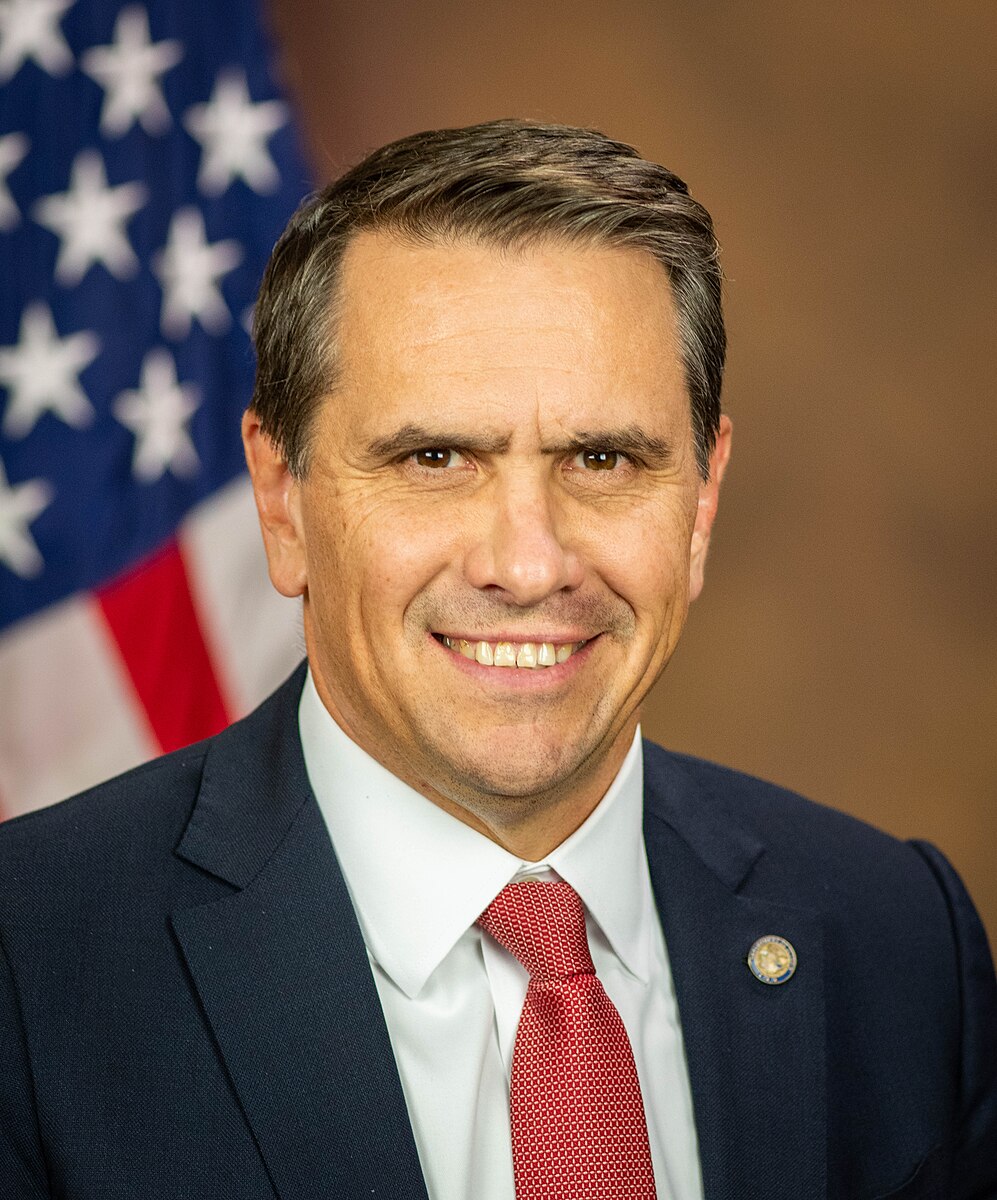
Deputy Attorney General
Head of Criminal Section, DOJ Civil Rights Division
civic action
Demand Senate Judiciary Committee hearing on Civil Rights Division collapse
Contact committee members to investigate AAG Dhillon's blocking of police shooting investigations and mass prosecutor resignations
Hi, I'm calling to demand Senate Judiciary Committee hearings on DOJ Civil Rights Division collapse.
Key points to mention:
Questions to ask:
Specific request: I want the committee to investigate the institutional collapse of civil rights enforcement and hold hearings on political interference with police accountability.
Thank you for your time.
civic action
File complaint with DOJ Inspector General on Civil Rights Division politicization
Report political interference with civil rights enforcement and false statements about prosecutor resignations
Subject: Complaint Regarding Civil Rights Division Politicization
Dear Office of Inspector General,
I am filing a complaint regarding political interference with DOJ Civil Rights Division enforcement.
Key points to include:
Specific request: I request that OIG investigate political interference with civil rights enforcement, mass prosecutor resignations, and false statements about the timing of resignation requests.
Thank you for oversight of DOJ integrity.
understanding
Support civil rights organizations tracking DOJ enforcement collapse
Monitor Civil Rights Division activities and prosecutor departures through advocacy groups