November 14, 2025
Data center opposition accelerates as $98B in AI projects blocked in three months


Residents block $98 billion in tech projects as electricity costs from data centers spike
⚡Energy🏙️Local Issues💡Technology
November 14, 2025
Residents block $98 billion in tech projects as electricity costs from data centers spike
In Q2 2025 — April through June — Data Center Watch tracked 20 data center proposals across 11 states that were blocked or delayed by local opposition. Those 20 projects were worth $98 billion in potential investment, representing about two-thirds of all projects the group was monitoring that quarter.
The Q2 2025 total surpassed all data center opposition disruptions tracked between 2023 and March 2025 combined. Data Center Watch estimated $162 billion in projects have been delayed or blocked since 2023, with $98 billion of that occurring in a single three-month window.
The opposition is bipartisan. Residents in red and blue states alike are fighting data centers over the same core concerns: rising electricity bills, water consumption, noise, loss of farmland, and grid reliability. In Indiana alone, organizer Bryce Gustafson counted over a dozen projects that failed to get rezoning approval.
Electricity costs in areas near data centers are as much as 267% higher than they were five years ago, according to a Bloomberg News analysis. A July 2025 Carnegie Mellon University study found that the average U.S. electricity bill could increase by 8% by 2030 due to data centers and cryptocurrency mining.
142 activist groups are now active in 28 states targeting large data center projects of at least 50 megawatts, according to Data Center Watch. Historically, about 40% of projects facing sustained opposition are eventually canceled — meaning tens of billions more in planned investments remain at risk.
Microsoft disclosed in an October 2025 SEC filing that 'community opposition, local moratoriums, and hyper-local dissent' were operational risks that could impede infrastructure development. The disclosure was notable because it was the first time a major hyperscaler publicly acknowledged community resistance as a material business risk.
California attempted to regulate data center energy use in 2025 but the effort was reduced to a study due by 2027 after Big Tech lobbied against stricter rules. Gov.  Gavin Newsom vetoed a water-use reporting requirement for data centers, citing concerns about business competitiveness.
Sen.  Elizabeth Warren (D-MA) opened a Senate investigation into whether data centers are driving up residential electricity bills. Indiana Michigan Power estimated it would spend $17 billion to meet projected data center demand — costs Warren said would fall on ratepayers. Industry groups and some economists disputed the causal link.
Which trend best matches data-center opposition and outcomes from 2024–June 2025?
Local zoning laws are a common legal tool used to block or delay data-center construction.
Brookings found hyperscale data centers create large long-term local job counts equal to their land and power footprint.
Local moratoria pause permitting so officials can study ______ and rewrite ______.
Data Center Watch counts withdrawn proposals as 'blocked' in its totals.
Upgrade to Premium to access all practice questions and unlock advanced quiz features.
Upgrade to PremiumThese questions are part of the Data center opposition accelerates as $98B in AI projects blocked in three months topic. Master this topic by completing the quiz or exploring each question in detail.
Take the full quiz to master this topic and track your progress.
Start QuizOrganizer, Citizens Action Coalition, Indianapolis

U.S. Senator (D-MA)
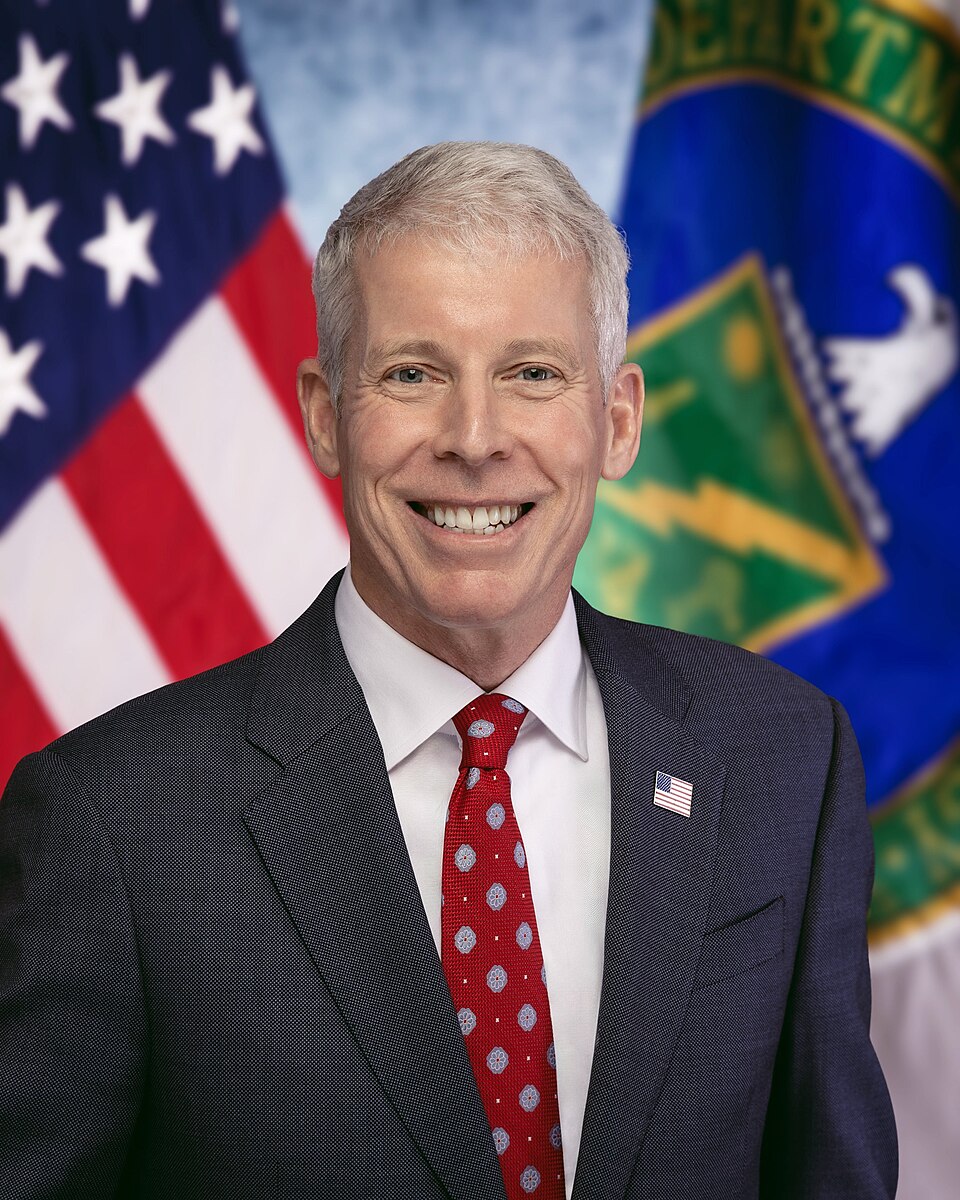
U.S. Secretary of Energy
Governor of California
Organizer, Washington D.C.
civic action
Attend your local zoning board or planning commission meeting
Data center approvals happen at local zoning boards and planning commissions — not in Congress. These public meetings are where residents can speak directly against or in favor of a project. Most meetings have public comment periods and are open to all residents.
I'm a resident of [City/County]. I'm here to comment on the proposed data center at [Address]. I want the board to require the developer to provide an independent analysis of the project's expected impact on residential electricity rates, water consumption, and grid reliability before any approval. I also want to know: will this project receive any tax abatements or utility rate subsidies, and if so, what does the community receive in return?
civic action
File comments with your state public utilities commission
When utilities request rate increases to fund data center infrastructure, they file those requests with state public utilities commissions (PUCs). These proceedings are open to public comment, and residents can challenge cost-shifting that would raise residential rates to subsidize data centers.
I am filing a public comment opposing the proposed rate increase in Docket [Number]. I am asking the Commission to require the utility to provide a line-item breakdown of how much of the proposed increase is attributable to infrastructure built to serve large commercial data center customers versus ordinary residential and small business customers. Residential customers should not subsidize infrastructure built to serve billion-dollar corporations.
civic action
Contact your state legislator about data center accountability
Most data center regulation happens at the state level. State legislators can require data centers to disclose energy and water use, mandate that large commercial users pay their fair share of grid upgrade costs, and condition tax breaks on community benefit agreements.
I'm calling to ask Representative/Senator [Name] to support legislation requiring data centers to: (1) publicly disclose electricity and water consumption, (2) pay full cost of grid infrastructure upgrades built to serve them, and (3) enter community benefit agreements before receiving tax abatements. California's 2025 effort to require water disclosure was vetoed. I'd like [State] to lead instead.