November 15, 2025
US contraceptives worth $9.7 million spoil in Belgium warehouses as Trump blocks distribution
Administration lets contraceptives spoil in warehouses rather than allow distribution to women in low-income countries
November 15, 2025
Administration lets contraceptives spoil in warehouses rather than allow distribution to women in low-income countries
The Trump administration blocked distribution of $9.7 million worth of contraceptives purchased by USAID for women in sub-Saharan Africa, leaving them stranded in Belgian warehouses since Jul. 2025. Flemish Environment Minister
Jo Brouns confirmed in Nov. 2025 that 20 of 24 truckloads were transferred to a storage facility in Kallo, Belgium that isn't equipped for medicines. The improperly stored products are now largely unusable as contraceptives, though medical hardware like syringes can still be reused if pharmaceutical requirements are met.
Multiple humanitarian organizations including MSI Reproductive Choices, UNFPA (UN sexual and reproductive health agency), and International Planned Parenthood Federation offered to purchase the supplies and cover repackaging and logistics costs. The State Department rejected all offers, citing the Mexico City policy among other concerns. Senator Jeanne Shaheen sent a staff member to inspect the warehouse and confirmed expiration dates range from 2027 to 2031, meaning products could be used for years.
The State Department confirmed in Jul. 2025 it would spend $167,000 in taxpayer money to incinerate the contraceptives at a French medical waste facility. A spokesperson referred to them as certain abortifacient birth control commodities from terminated Biden-era USAID contracts. However, Senator Shaheen told BBC that the products have nothing to do with abortion and called it another excuse the administration is using to justify incinerating over $10 million in family planning supplies.
The stockpile includes copper IUDs, rod implants, birth control injections, and levonorgestrel and ethinyl estradiol tablets according to a list reviewed by CNN. Most products don't have USAID branding. The nearly 5 million items could have provided contraception for 1.4 million women and girls in the Global South according to
Chiara Cosentino of Countdown 2030 Europe, a coalition of European reproductive rights organizations.
The contraceptive freeze came after Trump dismantled USAID at the beginning of Jul. 2025. Secretary of State
Marco Rubio hailed the end of USAID, saying future foreign assistance would align with administration policies and be administered by the State Department. The Department of Government Efficiency led the rapid dismantling which slashed thousands of foreign assistance programs including many focused on lifesaving work.
A study published in The Lancet earlier in Nov. 2025 estimated that USAID funding cuts could result in more than 14 million additional deaths by 2030. USAID funding was most likely to reduce mortality related to HIV/AIDS, followed by malaria. The US had been the largest bilateral donor to family planning, contributing $600 million annually, making up almost half of global donor funding according to the Reproductive Health Supplies Coalition.
Belgian government officials say they're engaged in diplomatic talks with the US embassy to find alternative solutions. A Belgian diplomatic source told CNN they firmly support Belgian authorities' commitment to prevent destruction of contraceptives so they can reach women and men who need them, calling access to sexual and reproductive health services both a human rights and public health issue. Reuters reported that talks between the US and Belgium were paused during the Oct.-Nov. 2025 government shutdown.
Advocacy group PAI estimates the total value of contraceptive supplies already purchased by the US government but stuck in limbo at risk of expiration could be as high as $40 million. This includes supplies held at various points in the global supply chain, including a $1.5 million stockpile in Dubai according to the Reproductive Health Supplies Coalition. Dr. Bakari Omary, project coordinator of IPPF's member association in Tanzania, said since USAID support discontinued, women now have to switch to whatever contraception is available or the organization can't help them.
Order these policy decisions from earlier to later
Which civic step targets congressional oversight of the disposal decision?
How does the headline 'U.S. plans to destroy $9.7M in contraceptives' frame responsibility?
Which legal avenue could NGOs pursue to challenge the rejection?
Order these events from first to last
Upgrade to Premium to access all practice questions and unlock advanced quiz features.
Upgrade to PremiumThese questions are part of the US contraceptives worth $9.7 million spoil in Belgium warehouses as Trump blocks distribution topic. Master this topic by completing the quiz or exploring each question in detail.
Take the full quiz to master this topic and track your progress.
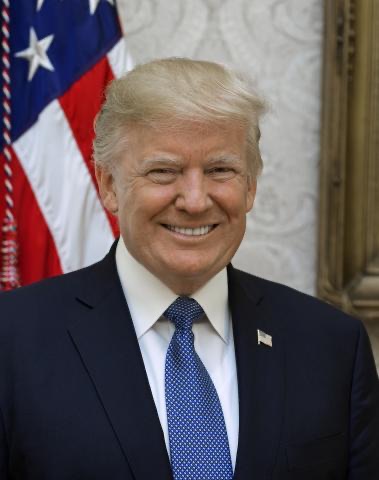
Start QuizPresident of the United States
Secretary of State
Flemish Minister of Environment and Agriculture
US Senator (D-NH)
Coordinator for Countdown 2030 Europe
Project Coordinator, IPPF Tanzania