January 12, 2026
Supreme Court hears Chevron coastal damage case from Louisiana

State jury awarded $745M for coastal restoration; companies seek federal venue
📜Constitutional Law✊Civil Rights
January 12, 2026
State jury awarded $745M for coastal restoration; companies seek federal venue
The Supreme Court heard arguments on Jan. 13, 2026, in Chevron USA Inc. v
Plaquemines Parish, Louisiana
The case tests whether oil companies can remove state environmental lawsuits to federal court based on World War II-era federal contracts Eight of nine justices heard the arguments The decision will impact more than 40 pending coastal erosion cases in Louisiana.
A Plaquemines Parish jury awarded $744.6 million in damages in Apr. 2025 after an 18-day trial
The jury found that Chevron, Texaco, and Exxon Mobil contributed to Louisiana's coastal wetlands decline through oil and gas operations including dredging canals
It's the largest jury award in Louisiana coastal litigation The verdict came after years of legal battles over venue and jurisdiction.
The oil companies argue their World War II federal contracts to produce aviation fuel justify moving the case to federal court. Chevron says they acted as federal contractors providing energy security and national security services for decades. Companies claim these cases should be in federal court because of the federal officer removal statute, which provides federal jurisdiction over actions against 'any person acting under [an] officer' of the United States.
Louisiana officials argue the cases involve pure questions of state law about property damage and wetlands restoration. Louisiana Attorney General and local parish governments say the state has an interest in having its courts and ultimately its Supreme Court decide these matters. They contend decades-old federal contracts don't convert current environmental damage claims into federal cases.
The case centers on a 2011 amendment to the federal officer removal statute. The Supreme Court must decide whether a causal-nexus or contractual-direction test survives the amendment. It will also determine whether a federal contractor can remove to federal court when sued for oil production activities undertaken to fulfill a federal oil refinement contract from 80 years ago.
Federal court has typically been friendlier venue for oil companies defending environmental claims. Tommy Faucheux, president of Louisiana Mid-Continent Oil and Gas Association, argued companies should have federal court access because they've been 'part of the energy security and national security of this country.' State officials and environmental groups counter that oil companies are trying to escape accountability by forum shopping.
More than 40 similar coastal erosion lawsuits are pending in Louisiana courts. The Supreme Court's ruling will determine whether those cases stay in state court or move to federal jurisdiction.
Louisiana has earned a reputation as one of the nation's 'Judicial Hellholes' according to tort reform advocates, who say politically influenced local courts manipulate the process. Environmental advocates say state juries are simply holding companies accountable for decades of documented damage.
How much did a Louisiana jury order Chevron to pay?
Oral arguments in Chevron v. Louisiana occurred on January 8, 2026.
Louisiana's coastal damage lawsuits claim oil companies destroyed wetlands that served as natural hurricane barriers.
Who decides whether the 2011 amendment to the Federal Officer Removal Statute applies retroactively?
John Carmouche represents which party?
Upgrade to Premium to access all practice questions and unlock advanced quiz features.
Upgrade to PremiumThese questions are part of the Supreme Court hears Chevron coastal damage case from Louisiana topic. Master this topic by completing the quiz or exploring each question in detail.
Take the full quiz to master this topic and track your progress.
Start QuizAttorney representing Chevron and other energy companies
Attorney representing Plaquemines Parish
Louisiana Attorney General
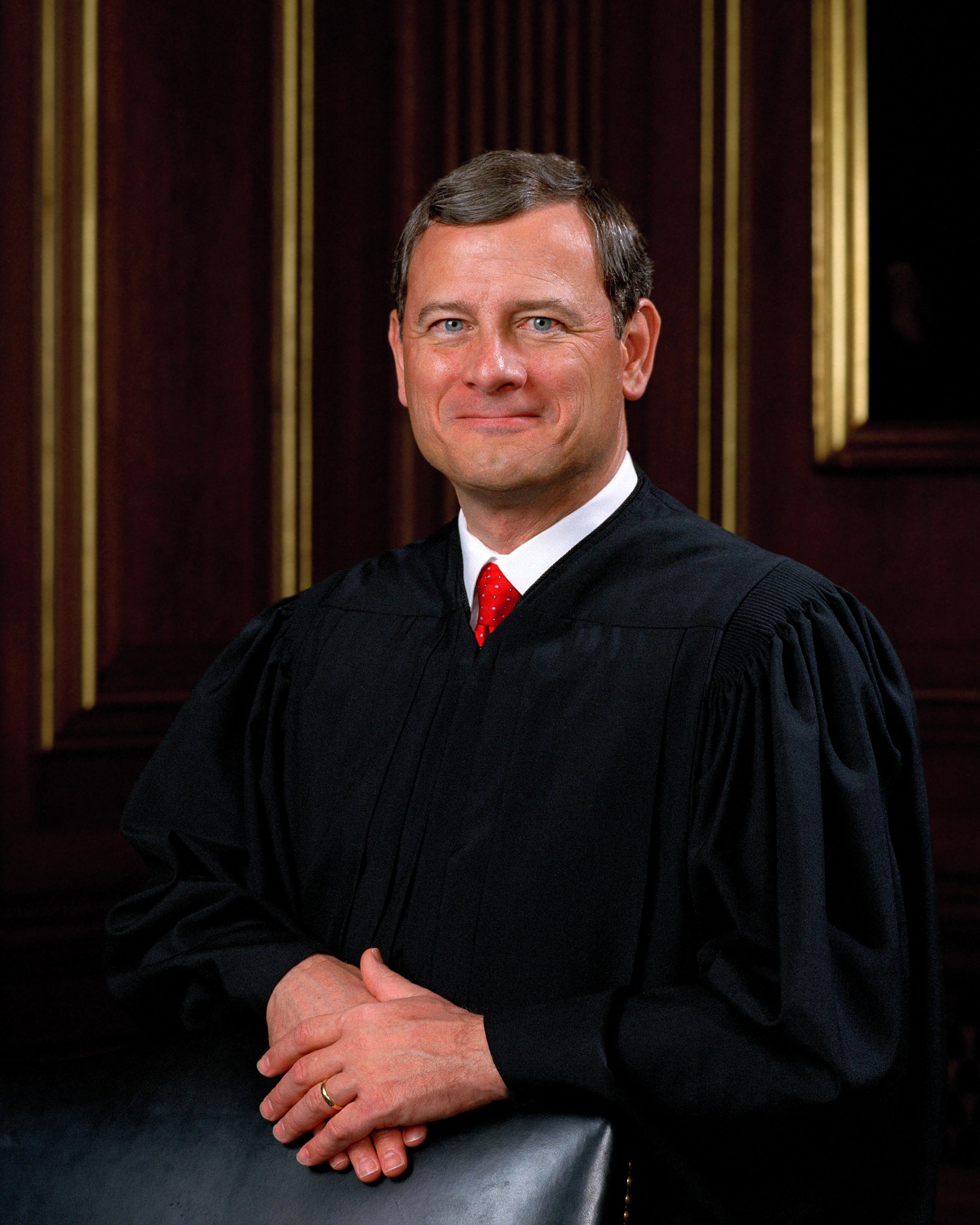
Chief Justice of the United States
Associate Justice, Supreme Court
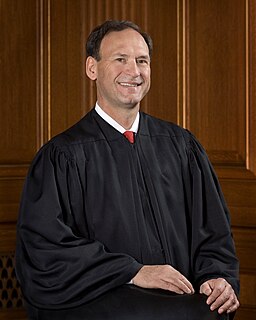
Associate Justice, Supreme Court (recused)
civic action
Contact House Judiciary Committee to demand hearings on corporate abuse of federal officer removal statute
The Judiciary Committee has oversight of federal courts and can investigate whether companies are exploiting the federal officer removal statute to escape state accountability.
Hi, I'm calling to demand hearings on corporate abuse of the federal officer removal statute.
Key points to mention:
Questions to ask:
Specific request: I want hearings on reforming federal officer removal to prevent corporate abuse of the statute to escape state environmental accountability.
Thank you.
civic action
Support Louisiana's coastal restoration funding through direct action
Louisiana parishes are using damage verdicts to fund wetland restoration. Citizens can support restoration projects directly or advocate for federal funding.
Subject: Support for Coastal Restoration Funding
Dear CPRA,
I'm writing to support Louisiana's coastal restoration efforts and the state's right to hold oil companies accountable for wetland damage.
Key facts:
Request: How can citizens support coastal restoration projects and advocate for adequate funding from companies that profited from resource extraction while externalizing environmental costs?
Sincerely, [Your name and contact information]