June 14, 2025
Rising gas prices pour billions into Putin's war chest against Ukraine

Oil price surge pours billions into Putin's war chest against Ukraine
🛡️National Security🌍Foreign Policy💰Economy
June 14, 2025
Oil price surge pours billions into Putin's war chest against Ukraine
Global oil prices rose 7% after Israel and Iran exchanged attacks, according to President Zelenskyy’s Jun. 14, 2025 warning.
Oil revenues account for approximately 30% of Russia’s federal budget, directly funding its war effort in Ukraine.
Every $10 increase in oil prices adds about $300 per year to the average American household’s gasoline and heating bill.
The U.S. Strategic Petroleum Reserve exists to help lower domestic oil prices in emergencies, but political considerations have often prevented its release.
Despite high domestic output, the United States still imports oil, leaving American consumers vulnerable to geopolitical disruptions.
Western allies have not enforced effective price caps on Russian oil exports, allowing Moscow to benefit from elevated global oil prices.
Russian forces launched 58 drones at Ukraine on the night Zelenskyy made these comments.
What exact quote did Zelenskyy give about oil prices being "negative for us"?
By what percentage did global oil prices rise after Israel and Iran exchanged attacks?
Zelenskyy expressed concern that U.S. military aid could be diverted away from Ukraine toward Israel.
Russian President Putin and Trump held a 50-minute phone call on Saturday.
Upgrade to Premium to access all practice questions and unlock advanced quiz features.
Upgrade to PremiumThese questions are part of the Rising gas prices pour billions into Putin's war chest against Ukraine topic. Master this topic by completing the quiz or exploring each question in detail.
Take the full quiz to master this topic and track your progress.
Start QuizUkrainian President
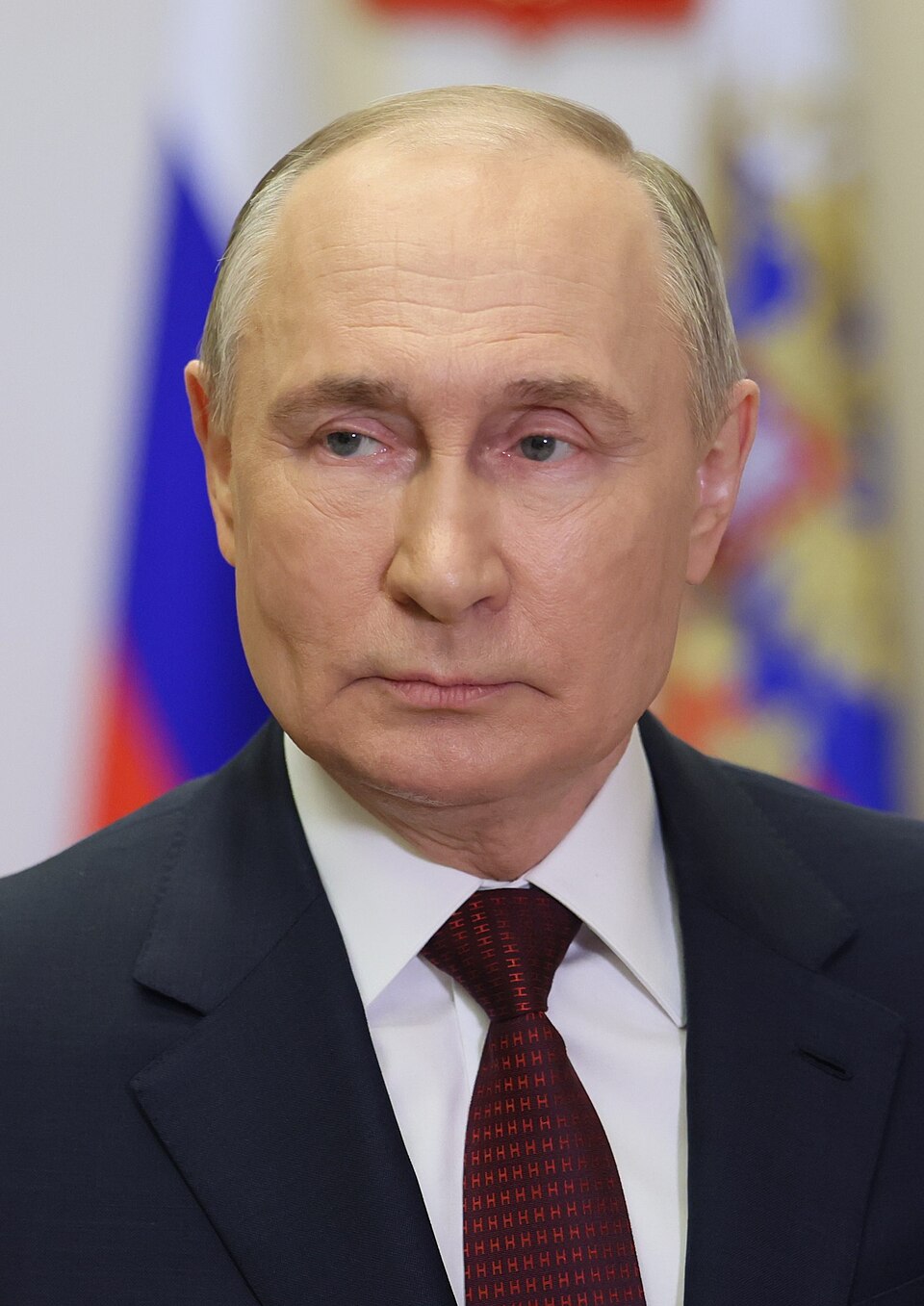
Russian President
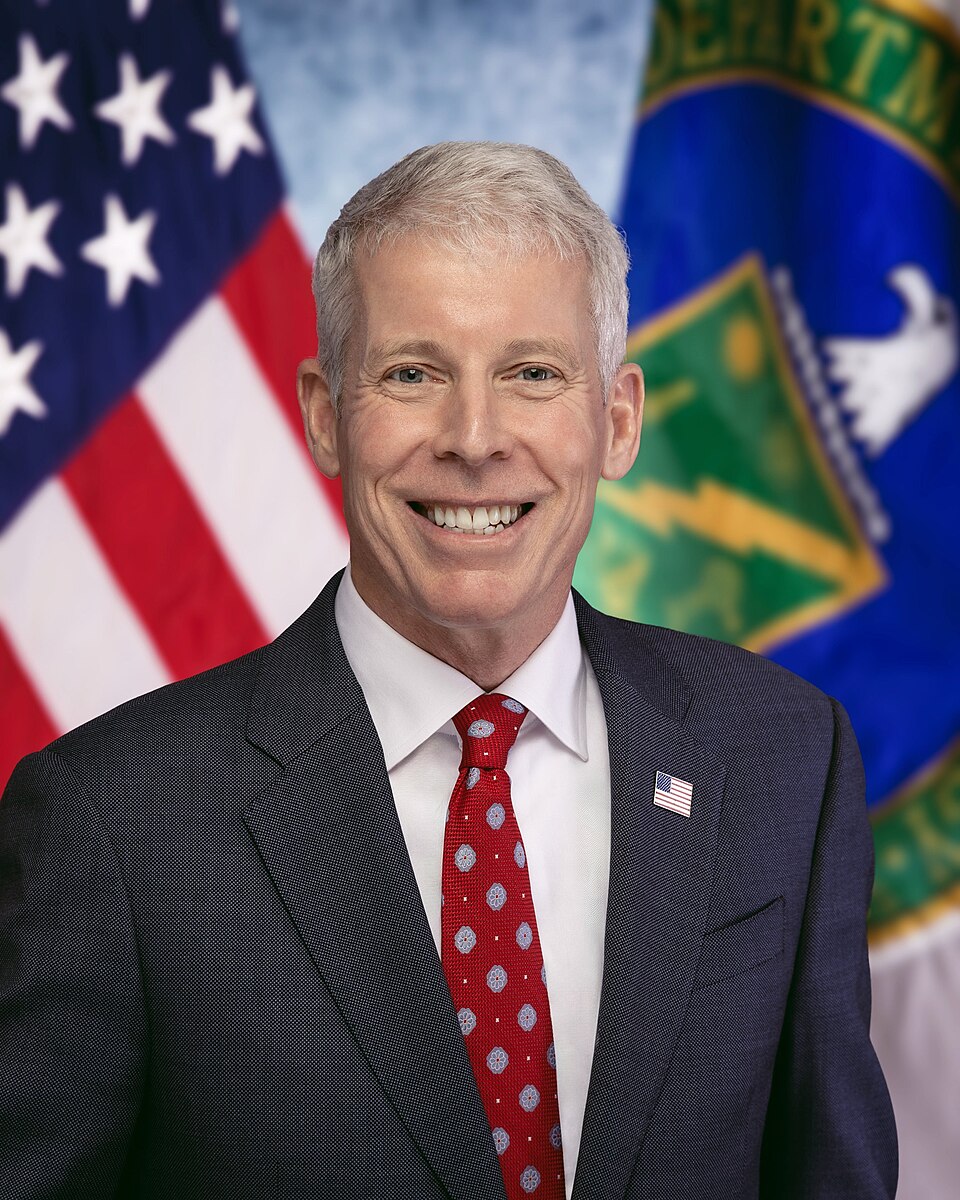
Energy Secretary
Israeli Prime Minister
Saudi Crown Prince
coordinates OPEC+ output; UAE increased production by 98,000 barrels per day in Sep. 2025 as part of gradual unwinding of cuts, prioritizing revenue over geopolitical pressure.