April 2, 2025
Executive Order 14257 invokes IEEPA for 25% South Korea duties

Trump imposes 25% tariffs on ally South Korea citing emergency
🛡️National Security📋Public Policy💰Economy
April 2, 2025
Trump imposes 25% tariffs on ally South Korea citing emergency
On Apr. 2, 2025, President  Donald Trump signed Executive Order 14257 imposing a 25 percent “reciprocal” duty on most South-Korean imports under Section 232 of the Trade Expansion Act (White House EO 14257)
Section 3(b) of EO 14257 pauses tariff collection for 90 days, establishing a negotiation window that ends on Jul. 8, 2025, unless exemption agreements are reached (White House Clarification of Exceptions)
Section 232 (19 U.S.C. §1862) authorizes the president to impose tariffs on national-security grounds—Congress may override such actions only by a two-thirds vote in both chambers (Congress.gov Section 232 explainer)
Commerce Secretary Howard Lutnick signalled that a second-wave Section 232 levy targeting semiconductors will follow the blanket 25 percent tariff (Reuters – Lutnick interview, 2025-04-13)
U.S. electronics imports in 2024 reached approximately $486 billion, making electronics the second-largest import category and subjecting chips and data-center equipment to the new duties (Reuters – Tariffs & data centers)
The 25 % duty applies only to finished smartphones, not to OLED screens and other components.
On which date did President Trump sign EO 14257?
EO 14257 pauses the 25 % duty for how many days to allow tariff talks with allies?
What tariff rate did Executive Order 14257 set for most South-Korean imports?
Which statute lets presidents impose tariffs for “national security” without new legislation?
Upgrade to Premium to access all practice questions and unlock advanced quiz features.
Upgrade to PremiumThese questions are part of the Executive Order 14257 invokes IEEPA for 25% South Korea duties topic. Master this topic by completing the quiz or exploring each question in detail.
Take the full quiz to master this topic and track your progress.
Start Quiz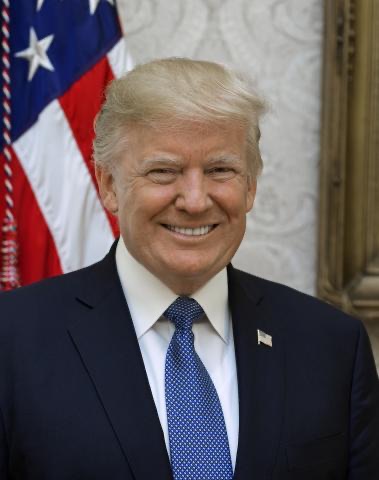
signed Executive Order 14257 on Apr. 2, 2025 to impose a 25 percent tariff on South-Korean goods (White House EO 14257)
announced forthcoming chip-specific Section 232 duties in addition to the 25 percent tariff (Reuters – Lutnick interview)
warned South Korea “will not hesitate to pursue WTO remedies” if exemption talks fail (Reuters – Policy support package)
met President Lee on Jun. 13, 2025 to press for clarity on the U.S. tariff regime (Reuters – Lee meeting)