June 14, 2025
Elon Musk bypasses Iranian government censorship with Starlink activation


Satellite internet activated circumventing government censorship after Israeli strikes
📜Constitutional Law🌍Foreign Policy✊Civil Rights💡Technology
June 14, 2025
Satellite internet activated circumventing government censorship after Israeli strikes
Jun. 14, 2025:  Elon Musk activated Starlink satellite internet in Iran without U.S. State Department approval, posting "The beams are on" to bypass a government-imposed nationwide internet blackout following Israeli airstrikes on Iranian nuclear facilities.
NetBlocks and IODA confirmed internet usage in Iran collapsed to 97% below normal levels during the blackout, with Cloudflare Radar reporting an 80% drop in internet bandwidth on Jun. 17, 2025.
Starlink, operated by SpaceX, uses low Earth orbit satellites at 550 kilometers altitude—50 times closer than traditional geostationary systems at 35,000 kilometers—making it nearly impossible for authoritarian regimes to block without jamming technology or physical confiscation.
Israeli Prime Minister Benjamin Netanyahu publicly urged Iranian citizens in a Jun. 13, 2025 English video message to "stand up for your freedom from an evil and oppressive regime" amid the communications blackout.
Elon Musk previously activated Starlink in Ukraine on Feb. 26, 2022, within hours of a request during Russia's invasion, and provided service to a UAE field hospital in Gaza in Jul. 2024, demonstrating a pattern of unilateral interventions in conflict zones.
After the initial Israeli strikes on Jun. 13–14, 2025, Iran and Israel fought a 12-day war with further missile and drone attacks, ending Jun. 24, 2025, with a U.S.-brokered ceasefire.
The Logan Act of 1799 prohibits private citizens from unauthorized diplomacy with foreign governments, though it has been enforced only twice in history—both in the 1800s with no convictions—raising constitutional questions about Musk's unilateral foreign interventions.
Fox News host Mark Levin publicly called on Musk on Jun. 14, 2025, to "drive the last nail into the coffin of the Iranian regime" by providing Starlink service, which Musk did hours later.
Roughly 20,000 clandestine Starlink terminals had been smuggled into Iran over two years prior to Jun. 2025, costing users $700-$2,000 per terminal plus $40 monthly fees, allowing thousands to bypass the blackout.
Iran's parliament ratified legislation on Jun. 23, 2025, criminalizing unlicensed satellite internet including Starlink with penalties of up to two years imprisonment, flogging, and fines, with the Guardian Council approving the law for implementation.
Iran and Israel exchanged additional military strikes after the initial Israeli attack on nuclear facilities.
What type of government restrictions did Iran impose that Starlink bypassed?
What reason did Iran's Communications Ministry give for imposing internet restrictions?
What specific phrase did Elon Musk post on X to announce Starlink activation in Iran?
Which country launched airstrikes on Iranian nuclear facilities that prompted the internet blackout?
Upgrade to Premium to access all practice questions and unlock advanced quiz features.
Upgrade to PremiumThese questions are part of the Elon Musk bypasses Iranian government censorship with Starlink activation topic. Master this topic by completing the quiz or exploring each question in detail.
Take the full quiz to master this topic and track your progress.
Start Quiz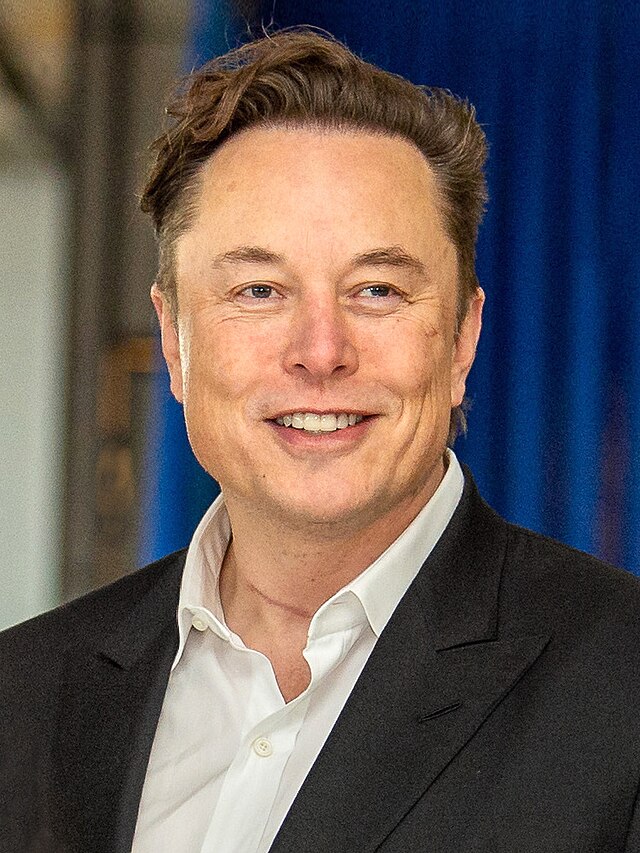
CEO of SpaceX and owner of X (formerly Twitter)
Prime Minister of Israel
Fox News host and conservative talk radio personality