June 15, 2025
Canada hosts fractured G7 as Trump alienates democratic allies


Democratic allies abandon joint communiqué over irreconcilable tariff and war differences
📈Trade🌍Foreign Policy💰Economy
June 15, 2025
Democratic allies abandon joint communiqué over irreconcilable tariff and war differences
The 51st G7 summit was held in Kananaskis, Alberta from Jun. 15–17, 2025.
Prime Minister  Mark Carney announced Canada would abandon the traditional joint communiqué and instead issue a chair’s summary due to irreconcilable differences over U.S. tariffs and Middle East policy.
Canada confirmed it would meet NATO’s current 2% of GDP defense-spending target but resisted President Trump’s demand that allies spend 5%.
President Trump imposed 25% tariffs on steel and aluminum imports and 10% import taxes on almost every other country, prompting retaliatory measures from Canada and the European Union.
G7 finance ministers acknowledged in their statement that “trade and economic policy uncertainty was high and weighing on global growth.”
Ukrainian President Volodymyr Zelenskyy attended the summit and met with President Trump.
The United States ran trade deficits with six of the seven G7 partners, posting a surplus only with the United Kingdom.
Experts such as Max Bergmann of the Center for Strategic and International Studies warned that the United States had become “the source of major instability in global economic affairs.”
President Trump withdrew support from the 2018 G7 communiqué after criticizing then-Canadian PM Justin Trudeau, and he disrupted the 2017 G7 in Italy over climate-change provisions.
NATO Secretary-General Mark Rutte attended the summit and reported that most U.S. allies endorsed Trump’s 5% defense-spending call.
At the 2018 Quebec summit, President Trump insisted on readmitting Russia to the G7, reversing the group’s 2014 decision after Crimea’s annexation.
Prime Minister Carney asserted that Washington no longer plays “a predominant role” on the world stage.
Designated protest zones with live audio and video feeds were set up in Calgary and Banff so demonstrators could have their voices transmitted to G7 leaders.
Where is the 2025 G7 summit taking place?
TRUE or FALSE: Canadian Prime Minister Mark Carney said Canada would meet NATO's current 2% defense spending target but resisted Trump's demand for 5%.
The G7 finance ministers acknowledged that "trade and economic policy uncertainty was high and weighing on global growth."
How will protesters be able to make their voices heard to G7 leaders?
Trump withdrew his support from the 2018 G7 communiqué after complaining he was slighted by then-Canadian Prime Minister Justin Trudeau.
Upgrade to Premium to access all practice questions and unlock advanced quiz features.
Upgrade to PremiumThese questions are part of the Canada hosts fractured G7 as Trump alienates democratic allies topic. Master this topic by completing the quiz or exploring each question in detail.
Take the full quiz to master this topic and track your progress.
Start Quiz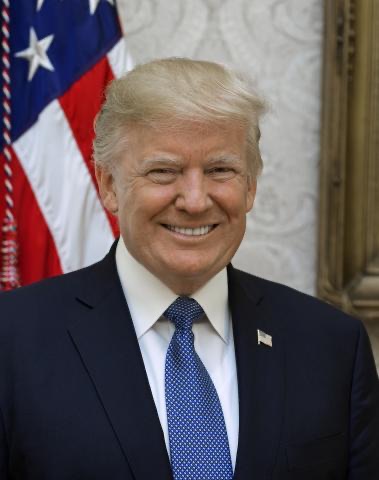
President of the United States
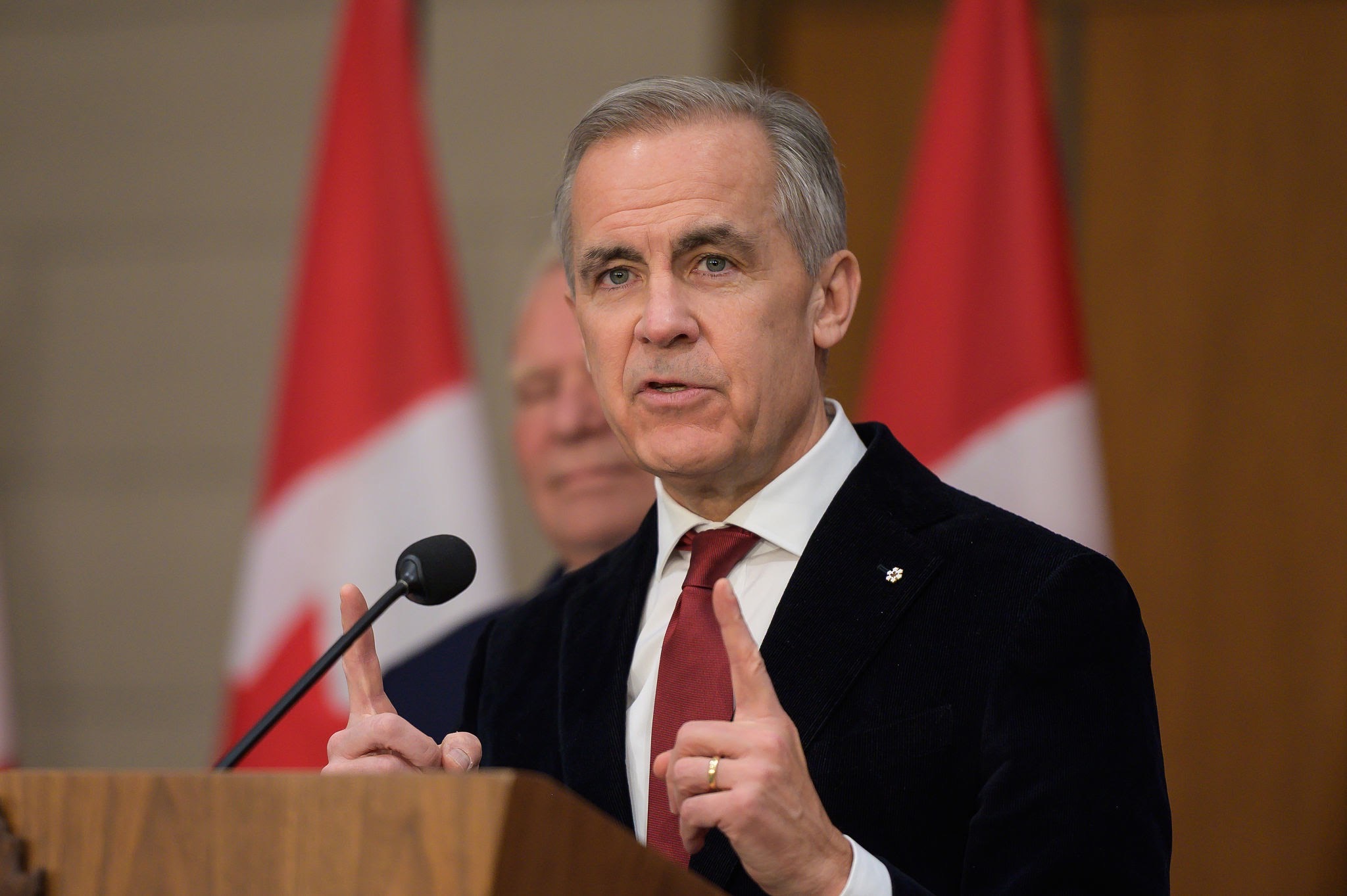
Prime Minister of Canada
President of Ukraine
NATO Secretary-General
Former Prime Minister of Canada
Director, Europe, Russia, and Eurasia Program, CSIS