May 13, 2025
Trump hits Brazil with 50% tariffs over Bolsonaro prosecution

Courts rule Trump's IEEPA tariffs exceed presidential authority; Supreme Court to decide
🛡️National Security📋Public Policy💰Economy
May 13, 2025
Courts rule Trump's IEEPA tariffs exceed presidential authority; Supreme Court to decide
Trump imposed a 10% baseline tariff on Brazilian imports Apr. 2, 2025 as part of 'Liberation Day' tariffs covering nearly all countries, then added a 40% tariff on Brazil specifically Jul. 30, 2025 (cumulative 50% rate), citing Brazil's prosecution of former President Jair Bolsonaro for coup conspiracy alongside trade concerns (White House Executive Order 14323, Jul. 30, 2025).
USTR Jamieson Greer launched a Section 301 investigation into Brazil Jul. 15, 2025 examining six trade practices: digital payment services restrictions on US companies, preferential tariffs for competitors, anti-corruption enforcement, intellectual property protection, ethanol market access barriers, and inadequate illegal deforestation enforcement (USTR Press Release, Jul. 15, 2025).
The Court of International Trade ruled May 28, 2025 that Trump's IEEPA-based tariffs exceeded presidential authority, the Federal Circuit affirmed that ruling 7-4 on Aug. 29, 2025, and the Supreme Court granted certiorari Sep. 9, 2025 with oral arguments held Nov. 5, 2025—meaning tariffs remain in effect pending final decision but could trigger hundreds of billions in refunds if struck down (Federal Circuit Opinion, Aug 29, 2025).
Brazil responded with its Economic Reciprocity Act (Law 15,122) signed Apr. 14, 2025, giving President Lula authority to impose countermeasures on US imports, investment, and intellectual property without WTO authorization, with a Jul. 14, 2025 decree enabling immediate retaliation targeting US pharmaceutical patents and digital services (Brazilian Government, Apr. 14, 2025).
Trump exempted 694 Brazilian products worth $18.4 billion (43.4% of bilateral trade) from the 50% tariff on Aug. 6, 2025—including orange juice, Embraer aircraft, oil, and minerals—then removed an additional 238 agricultural classifications including coffee and beef on Nov. 13, 2025 after industry complaints about consumer price increases (White House Executive Order, Nov. 13, 2025).
Because of the Federal Circuit stay, importers must still pay the Brazil-related tariffs while litigation continues.
A Syngenta executive said the company expects only “minimal impact” from Trump’s 2025 tariffs thanks to earlier contingency planning.
On June 11 2025, the U.S. Court of Appeals for the Federal Circuit paused the lower-court order, leaving the tariffs in place during appeal.
Brazil threatened to retaliate with tariffs against U.S. exports.
According to the White House fact sheet, what tariff rate does Brazil levy on U.S. ethanol—cited by Trump as proof of “non-reciprocal” trade?
Upgrade to Premium to access all practice questions and unlock advanced quiz features.
Upgrade to PremiumThese questions are part of the Trump hits Brazil with 50% tariffs over Bolsonaro prosecution topic. Master this topic by completing the quiz or exploring each question in detail.
Take the full quiz to master this topic and track your progress.
Start Quiz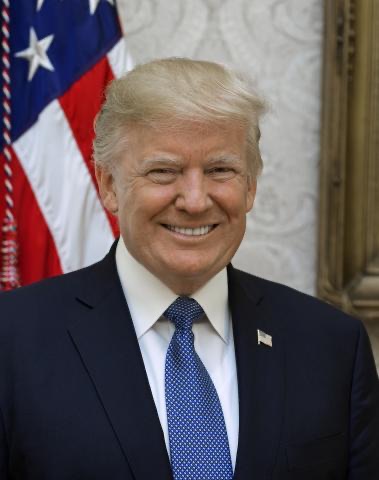
Invoked IEEPA to declare trade deficits a national emergency and imposed 10% baseline tariff Apr. 2025 plus 40% additional tariff on Brazil Jul. 2025, issued 694 product exemptions Aug. 2025 and removed coffee/beef tariffs Nov. 2025
Confirmed by Senate Feb. 26, 2025; initiated Section 301 investigation into Brazil Jul. 15, 2025 covering digital trade, preferential tariffs, ethanol access, IP protection, anti-corruption, and deforestation practices
Signed Economic Reciprocity Act Apr. 14, 2025 and issued Jul. 14, 2025 decree implementing countermeasure authority targeting US imports, investment, and intellectual property
Charged with coup conspiracy Feb. 2025 for allegedly plotting to assassinate President Lula and remain in power after losing 2022 election; Trump cited Bolsonaro's prosecution as partial justification for 50% tariff