June 18, 2025
Supreme Court upholds Tennessee transgender healthcare ban 6-3

Conservative court devastates transgender healthcare as federal targeting expands
📋Public Policy📜Constitutional Law✊Civil Rights⚖️Justice
June 18, 2025
Conservative court devastates transgender healthcare as federal targeting expands
On Jun. 18, 2025, in U.S. v. Skrmetti the Supreme Court (6–3) upheld Tennessee's ban on puberty blockers and hormone therapy for transgender minors under the Equal Protection Clause, applying rational basis review.
The decision protects similar bans in 26 other states, meaning 27 states total can enforce gender-affirming care restrictions affecting approximately 118,300 transgender youth aged 13-17.
Chief Justice John Roberts authored the majority opinion; Justices Sotomayor, Kagan and Jackson dissented, with Sotomayor reading from the bench and concluding "In sadness, I dissent."
Rational basis review—the lowest level of constitutional scrutiny—was used, requiring only that Tennessee's law be "rationally related" to a legitimate government interest.
Since its launch in 2022, the 988 Suicide & Crisis Lifeline's LGBTQ+ Youth Specialized Services handled nearly 1.3 million crisis contacts before the Trump administration defunded it in Jul. 2025.
The Trevor Project's 2024 survey found that 46% of transgender and nonbinary youth seriously considered suicide in the past year.
Executive Order 14168 ("Defending Women from Gender Ideology Extremism") directs federal agencies to define sex as an immutable characteristic determined at conception, affecting passport and employment records.
Orr v. Trump secured a preliminary injunction in Jun. 2025 allowing transgender Americans to obtain passports with accurate gender markers, finding the policy likely violates constitutional rights, though the Supreme Court later stayed the injunction in Nov. 2025.
Executive Order 14183 ("Prioritizing Military Excellence and Readiness") bans transgender people from military service and prohibits use of pronouns inconsistent with assigned sex.
In Talbott v. Trump, a federal judge issued a nationwide preliminary injunction blocking the military ban in Mar. 2025, but the Supreme Court allowed it to proceed in May 2025 while litigation continues.
Which executive order banned transgender people from military service?
What does "DEI" stand for in the federal programs Trump targeted for elimination?
Which Trump executive order requires federal documents to reflect "sex at conception"?
How does the Trump administration enforce its transgender policies on schools and healthcare providers?
What argument did Justice Kavanaugh make during oral arguments about transgender rights?
Upgrade to Premium to access all practice questions and unlock advanced quiz features.
Upgrade to PremiumThese questions are part of the Supreme Court upholds Tennessee transgender healthcare ban 6-3 topic. Master this topic by completing the quiz or exploring each question in detail.
Take the full quiz to master this topic and track your progress.
Start Quiz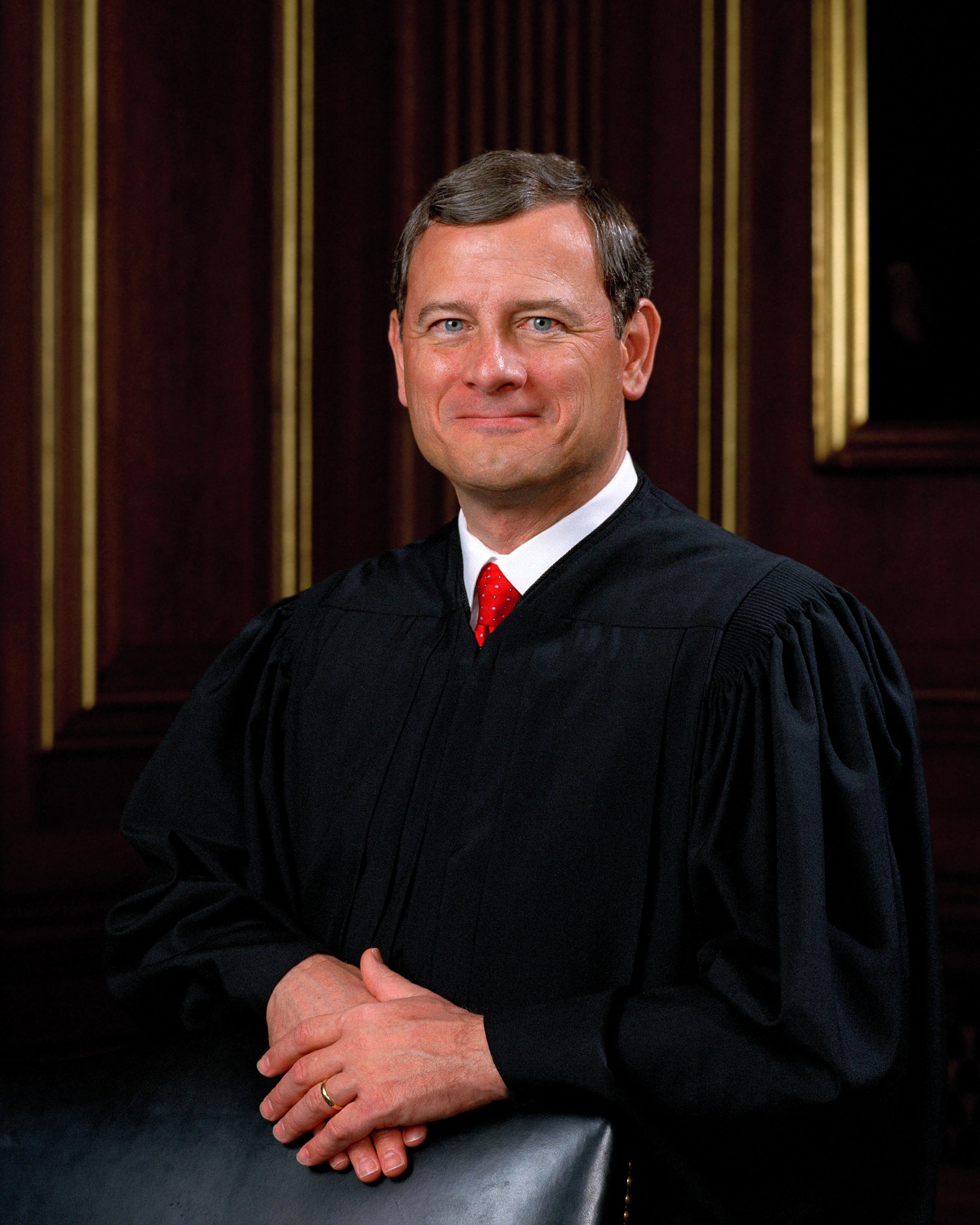
Supreme Court Chief Justice (author of majority opinion in U.S. v. Skrmetti)
Supreme Court Associate Justice (author of dissent in U.S. v. Skrmetti)
Supreme Court Associate Justice
Supreme Court Associate Justice
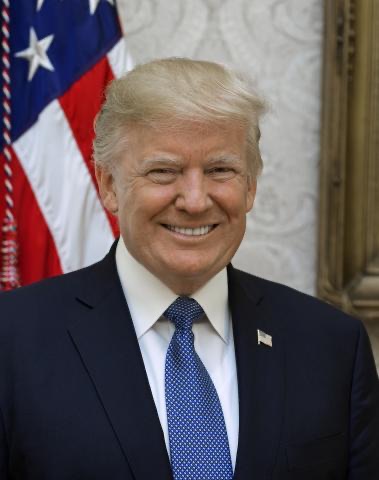
45th and 47th President of the United States