June 13, 2025
Trump and Netanyahu escalate Iran tensions risking wider war


Three leaders gamble with millions of lives while lying to their people
🛡️National Security📜Constitutional Law🌍Foreign Policy🔐Ethics
June 13, 2025
Three leaders gamble with millions of lives while lying to their people
Israel launched Operation Rising Lion on Jun. 13, 2025, striking Iran's nuclear facilities including Natanz, Fordow, and Isfahan with over 200 fighter jets across five waves of attacks.
The United States conducted Operation Midnight Hammer on Jun. 22, 2025, deploying seven B-2 Spirit stealth bombers that dropped 14 GBU-57 Massive Ordnance Penetrators (30,000-pound bunker-buster bombs) on Iranian nuclear sites, supported by Tomahawk cruise missiles fired from submarines.
The strikes killed at least 1,190 people in Iran according to HRANA (Human Rights Activists in Iran), including 435 military members, 436 civilians, and 319 unidentified dead, with 4,475 people injured.
Iranian retaliatory strikes killed 28 Israeli civilians and one off-duty soldier, causing 3,238 hospitalized injuries in Israel.
Top Iranian military commanders killed included Armed Forces Chief of Staff Mohammad Bagheri, IRGC Commander Hossein Salami, IRGC Aerospace Forces Commander Amir Ali Hajizadeh, and at least 15 nuclear scientists.
Each GBU-57 Massive Ordnance Penetrator cost approximately $3.5 million, and each Tomahawk cruise missile cost about $2.4 million, with total munitions costs exceeding $120 million for the U.S. strikes alone.
Oil markets initially spiked after Israel's Jun. 13 strikes, but prices actually fell to $67 per barrel by Jun. 25, 2025, with U.S. gasoline reaching a four-year low of $3.20 per gallon by Jun. 26.
Approximately 35,000 U.S. service members deployed across bases in Iraq, Syria, Jordan, Qatar, Kuwait, Bahrain, and the UAE faced Iranian retaliation threats throughout the 12-day conflict.
The U.S. Senate rejected Senator Tim Kaine's (D-VA) War Powers Resolution (S.J.Res.59) on Jun. 27, 2025, which would have required congressional authorization for further military action against Iran.
A fragile ceasefire between Israel and Iran took effect on Jun. 24, 2025, ending 12 days of strikes and counterstrikes.
By what percentage did Brent crude oil prices jump on Friday following the Israeli strikes?
Israel's strikes weren't just about nuclear facilities - what's their bigger plan for Iran?
Gas prices were finally dropping before the Israel-Iran conflict. What does a $10 oil price spike mean for a typical American family?
Which article of the U.S. Constitution grants Congress the sole power to declare war?
On which dates did Israel launch its large-scale air strikes against Iran's nuclear facilities?
Upgrade to Premium to access all practice questions and unlock advanced quiz features.
Upgrade to PremiumThese questions are part of the Trump and Netanyahu escalate Iran tensions risking wider war topic. Master this topic by completing the quiz or exploring each question in detail.
Take the full quiz to master this topic and track your progress.
Start Quiz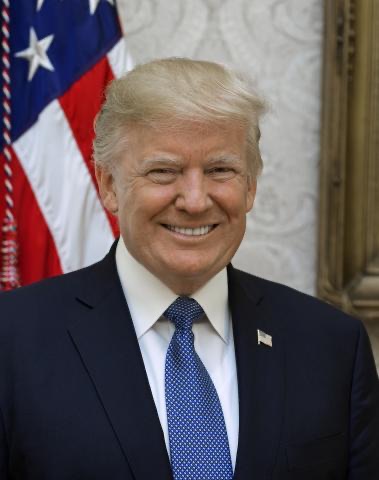
U.S. President
Israeli Prime Minister
Chairman of the Joint Chiefs of Staff
Israeli Minister of Strategic Affairs

U.S. Secretary of Defense
U.S. Secretary of State
Chief of Staff of Iranian Armed Forces (killed Jun. 13, 2025)
Commander of Islamic Revolutionary Guard Corps (killed Jun. 13, 2025)