February 15, 2025
Cabinet officials attend Mar-a-Lago fundraisers amid Hatch Act concerns
Taxpayer-funded positions mix with partisan politics at presidential resort
📜Constitutional Law✊Civil Rights
February 15, 2025
Taxpayer-funded positions mix with partisan politics at presidential resort
The Hatch Act of 1939 prohibits federal employees from using their official positions for political activities, ensuring taxpayer-funded government serves the public rather than partisan interests (osc.gov Services/Pages/HatchAct.aspx).
Mar-a-Lago charges between $200,000 and $300,000 for large political fundraising events, plus additional fees for catering, security, and room rentals (The Washington Post, “Mar-a-Lago Event Pricing Investigation”).
Mar-a-Lago fundraisers cost at least $10,000 per ticket, creating preferential access for wealthy donors and undermining equal representation (Political Access and Inequality Study, Cambridge University Press).
Cabinet members can attend political fundraisers if they pay their own way.
What year was the Hatch Act originally passed?
The Constitution specifically mentions political fundraising restrictions for government officials.
What federal law prohibits government employees from engaging in political activities while on duty?
Federal employees can be required to contribute to political campaigns.
Upgrade to Premium to access all practice questions and unlock advanced quiz features.
Upgrade to PremiumThese questions are part of the Cabinet officials attend Mar-a-Lago fundraisers amid Hatch Act concerns topic. Master this topic by completing the quiz or exploring each question in detail.
Take the full quiz to master this topic and track your progress.
Start Quiz1923) – accepted bribes in the Teapot Dome scandal, prompting stronger ethics rules on mixing public office and private gain (National Archives, “Teapot Dome Scandal History”).
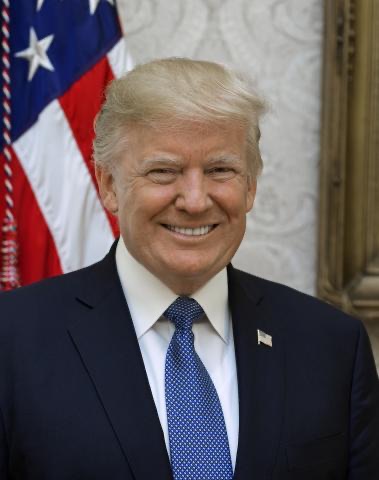
owner of Mar-a-Lago, which generated at least $200,000 per political event while he remained in office, raising Emoluments Clause concerns (congress.gov essay on Art. II, Sec. 1, Cl. 7).