January 24, 2026
Trump signs $23 billion science funding for NASA, NOAA, NSF through September
Congress rejects Trump's deep cuts to science agencies, funds NASA and NOAA
🏛️Government
January 24, 2026
Congress rejects Trump's deep cuts to science agencies, funds NASA and NOAA
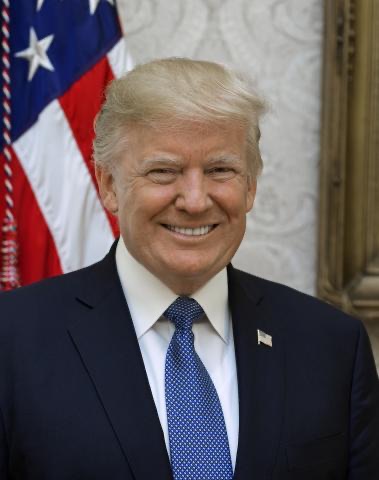
President Trump signed a consolidated appropriations bill on Jan. 24, 2026, that funds NASA, NOAA, NIST (National Institute of Standards and Technology), USGS (U.S. Geological Survey), NSF (National Science Foundation), and the Department of Energy Office of Science through Sept. 30, 2026. The package totals approximately $23 billion and provides full-year funding rather than a continuing resolution.
The package included a mix of cuts and increases to different science agencies. Congress rejected Trump's proposed deep cuts to science agencies that would have eliminated entire programs. The final bill represented a bipartisan compromise that maintained funding for climate research, Earth observation, and basic science research that Trump's budget had targeted for elimination.
Congress is still debating several controversial provisions related to science policy, including whether to resume nuclear weapons testing, whether to cut renewable energy research programs at the Department of Energy, and whether to impose new research security requirements on universities receiving federal science funding. These issues weren't resolved in the Jan. 24 package.
NASA received funding for the Artemis program to return astronauts to the Moon, the James Webb Space Telescope operations, and Earth observation satellites. NOAA received funding for weather forecasting, climate monitoring, and fisheries management. The NSF received funding for basic research grants across all scientific disciplines.
The appropriations process for science agencies is separate from the Defense, Homeland Security, and other agency funding bills that face a Jan. 30 deadline. Science agencies were included in one of the six appropriations bills that Congress already passed and Trump signed into law before the Jan. 24 signing. This means science agencies have full-year funding and won't shut down if the Jan. 30 deadline isn't met.
Trump's proposed budget for fiscal year 2027 includes deep cuts to climate research, renewable energy programs, and university research grants. Congress typically rejects presidential budget proposals and writes its own appropriations bills, but the president's budget signals administration priorities and can influence negotiations.
understanding
Understand how Congress uses appropriations to reject presidential priorities
Study how Congress writes its own spending bills and can fund programs the president wants to cut, showing the power of the purse as a check on executive authority.
learning more
Track federal science funding trends
Monitor how Congress funds science agencies year-over-year and which programs face cuts versus increases based on political priorities.