November 14, 2025
Trump exempts coffee, beef, and 200+ foods from tariffs amid inflation pressure
Midterm election pressure forces Trump to spare everyday groceries
🏛️Government📈Trade🚜Agriculture
November 14, 2025
Midterm election pressure forces Trump to spare everyday groceries
President Trump signed an executive order on Nov. 14, 2025, titled "Modifying the Scope of the Reciprocal Tariff with Respect to Certain Agricultural Products." The order exempted more than 200 food and agricultural products from his reciprocal tariff regime. Products removed from the tariff list include coffee, beef, tropical fruits, bananas, oranges, tomatoes, tea, fruit juice, cocoa, spices, and certain fertilizers used in farming.
Trump imposed the reciprocal tariffs in Apr. 2025 using Section 301 of the Trade Act of 1974
He placed 25% tariffs on imports from Mexico and Canada starting Feb. 1, 2025, and 10% tariffs on China starting Feb. 4
Trump later increased China tariffs by another 10% on Mar. 4, bringing the total to 20% The tariffs applied to $1.4 trillion worth of imports and were justified as responses to "unfair trade practices."
The Nov. rollback came one week after Democrats won gubernatorial elections in Virginia and New Jersey. Voters in those races cited high grocery prices and economic concerns as their top issue. Trump's order directly responded to political pressure as Republicans worried the tariffs would cost them seats in the 2026 midterm elections.
The White House said exempted products are "not grown or produced in sufficient quantities in the United States." This language protects domestic producers from foreign competition while removing tariffs on products Americans can't grow domestically.
For example, coffee and tropical fruits don't compete with U.S. farmers, so Trump exempted them. Products that compete with U.S. industries remained tariffed.
The exemptions became effective Nov. 13, 2025, and applied retroactively. They covered $51.5 billion worth of imports based on 2024 import levels.
Brazil provides 30% of U.S. coffee supply and Guatemala is the top exporter of bananas to the U.S. Both countries benefited from the rollback.
Trump used presidential authority under Section 301 of the Trade Act of 1974 to impose and remove tariffs
This law lets the United States Trade Representative (USTR) impose tariffs on countries with "unjustifiable," "unreasonable," or "discriminatory" trade practices
Presidents can modify tariffs through executive orders without congressional votes Congress delegated this power in 1974 but can reclaim it through new legislation.
The tariffs disrupted agricultural exports and raised costs for U.S. farmers. China retaliated by cutting soybean purchases from $12 billion in early 2024 to $5.5 billion in the first half of 2025—a drop of more than 50%.
Canada imposed 25% retaliatory tariffs on U.S. agricultural products. Farm bankruptcies rose 60% in the first half of 2025 compared to the previous year, and farm sector debt reached $600 billion.
Trump's administration announced $12 billion in farm payments in Dec. 2025 to offset tariff-related losses. The payments went to farmers growing soybeans, corn, and other crops hit by retaliatory tariffs. These subsidies came from taxpayers and represented a direct transfer from consumers to agricultural producers affected by Trump's trade policies.
Grocery retailers and food industry groups lobbied for the exemptions. The Food Industry Association, which represents grocery stores and food wholesalers, praised the "swift tariff relief."
The Consumer Brands Association called the rollback a "common-sense step" to address rising grocery costs. Industry lobbying influenced Trump's decision to exempt specific products.
Economists warned that consumer prices won't drop immediately despite tariff removal
Grocery stores already bought inventory at higher tariffed prices, so those products will stay on shelves for months
Supply chain complexity means savings take time to reach consumers CNBC reported that inventories purchased at high prices are "beginning to hit store shelves, raising costs for consumers."
Trump formalized trade agreements with Cambodia and Malaysia and reached "framework deals" with El Salvador, Argentina, Ecuador, Guatemala, Thailand, Vietnam, Switzerland, the UK, and the EU. Countries signing deals got preferential tariff treatment. This shows how Trump uses tariff threats to force trade negotiations and rewards countries that cooperate diplomatically.
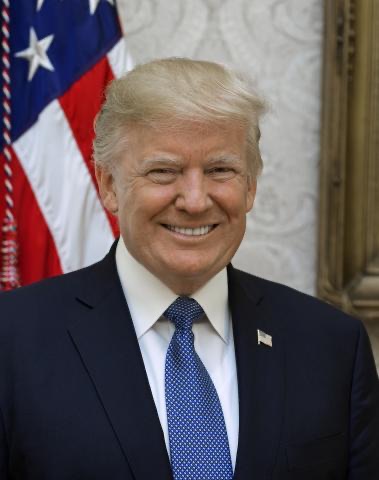
President of the United States
Federal agency enforcing trade policy
Food Industry Association President and CEO
Major U.S. trading partner
Second-largest importer of U.S. agricultural products
civic action
Contact your representative about presidential tariff authority
Congress can reclaim tariff authority through legislation limiting Section 301 powers. The 119th Congress is considering bills requiring congressional approval for tariffs. Call your representative to support measures restoring congressional control over trade policy.
I'm calling to ask Representative [NAME] to support legislation requiring congressional approval for presidential tariffs. Trump imposed and removed billions in tariffs using Section 301 authority without congressional votes. The Trade Act of 1974 gave presidents this power, but Congress can take it back. Voters deserve a say through their elected representatives before presidents impose taxes that raise grocery prices. Will the Representative support bills requiring congressional votes on tariffs? Thank you.
understanding
Track how tariff policy affects your grocery costs
Monitor the Consumer Price Index food category to see how tariffs affect grocery prices over time. BLS publishes monthly data showing price changes for specific food products. Compare tariff implementation dates with price increases to understand the connection.
learning more
Learn how Section 301 authority works
Read CRS reports explaining Section 301 of the Trade Act of 1974 and presidential tariff authority. Understanding how Congress delegated this power helps you evaluate whether current arrangements serve democratic accountability.