February 2, 2026
Trump says Republicans should "nationalize" voting, sparking constitutional clash

President calls for GOP to "take over" elections in 15 places; courts have already blocked his election orders
February 2, 2026
President calls for GOP to "take over" elections in 15 places; courts have already blocked his election orders
Trump urged Republicans to nationalize voting systems on February 2, 2026 during Republican retreat. The proposal called for federal oversight of voter registration, mail-in ballots, and voting machines, arguing that state control threatened election integrity.
Senate GOP Leader John Thune and Sen. Mitt Romney opposed plan, emphasizing state authority. The Republican senators argued that the Constitution gives states primary responsibility for election administration and that federal takeover would violate federalism principles.
Democrats denounced proposal as unconstitutional power grab threatening democratic foundations. Congressional Democrats and voting rights organizations argued that the plan would undermine state sovereignty and voter access to elections.
Legal scholars noted Article I, Section 4 grants states authority over election administration. Constitutional experts explained that while Congress has some regulatory authority, states maintain primary control over how elections are conducted and administered.
The proposal came amid broader Republican concerns about election security following 2020 and 2024 controversies. Trump and other Republicans continued to raise questions about election integrity despite lack of evidence of widespread fraud in recent elections.
State election officials from both parties opposed federal takeover of voting systems. The National Association of Secretaries of State and other election administrator organizations argued that state control ensures local accountability and responsiveness to community needs.
The nationalization proposal would require massive federal infrastructure and funding. Implementing federal control over voting systems would cost billions of dollars and require significant federal workforce expansion to replace state and local election administration.
The proposal raised questions about the appropriate balance between federal oversight and state control. Constitutional scholars debated whether federal concerns about election integrity justified unprecedented federal intervention in state election administration.
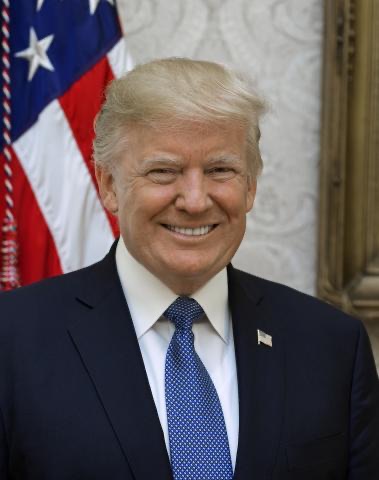
President
Senate GOP Leader
Senator (R-UT)
NASS President and Mississippi Secretary of State
civic action
Protect state election authority and voting rights
Contact your representatives to oppose federal takeover of state voting systems and defend constitutional principles of federalism. Urge support for legislation that protects state control over election administration while ensuring election integrity.
My name is [Name] and I am calling to oppose federal takeover of state voting systems. I urge the representative to defend constitutional principles of federalism and protect state authority over election administration while ensuring election integrity.
civic action
Support voting rights organizations defending election access
Donate to or volunteer with organizations that protect voting rights and defend state control of election administration. These groups work to ensure election access, integrity, and proper administration at the state and local levels.
I am calling to support the League of Women Voters work protecting voting rights and state election administration. I am concerned about federal takeover proposals and want to help defend constitutional principles and election access.
understanding
Learn about constitutional principles of federalism and election administration
Study Article I, Section 4 and the constitutional balance between federal and state authority over elections. Understanding these principles helps you recognize when federal overreach threatens constitutional foundations.
I am calling to learn about constitutional principles of federalism and election administration. With concerns about federal voting system takeover, I want to understand Article I, Section 4 and the balance between federal and state authority.