January 16, 2026
Trump extends National Guard DC deployment through 2026 despite legal challenge
Federal troops remain in capital through 2026 amid court fight
🛡️National Security📜Constitutional Law
January 16, 2026
Federal troops remain in capital through 2026 amid court fight
The Trump administration extended the National Guard deployment in Washington, DC through the end of 2026 on Jan. 16, 2026, according to two defense officials familiar with the plan. Approximately 2,500 troops from DC and at least 11 Republican-led states have been deployed in the capital since Aug. 2025. The original deployment was set to expire at the end of Feb. 2026, but Trump officials extended it for 10 additional months.
The deployment began in Aug. 2025 after Trump ordered National Guard troops to the capital, citing law and order concerns. The troops patrol public transit stations, federal buildings, and city streets. The Army has described the mission as supporting local law enforcement and maintaining order in the nation's capital. Hundreds more troops were added after a terrorist attack in early Dec. 2025.
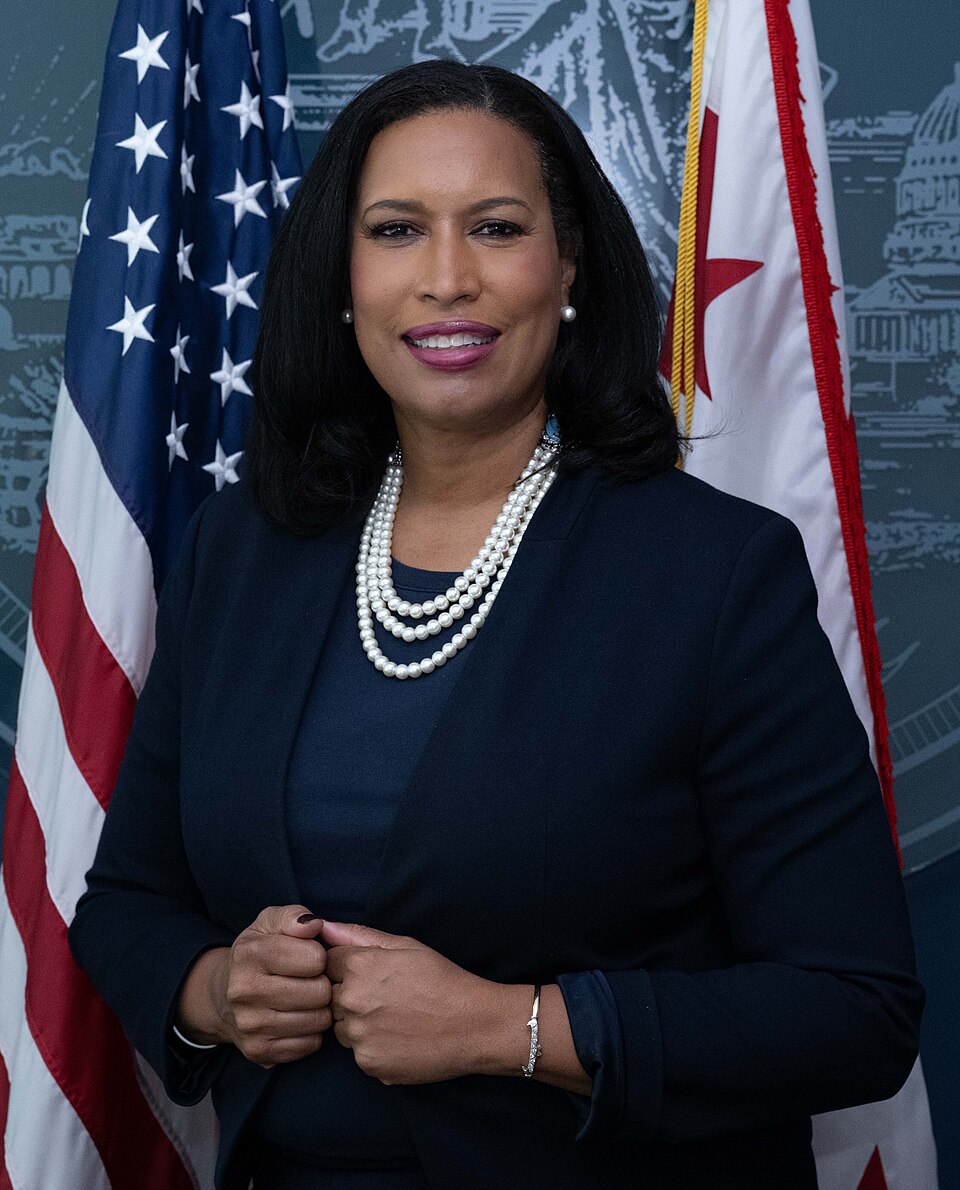
DC Mayor  Muriel Bowser opposes the deployment and has challenged it in federal court. Bowser argues Trump lacks authority to deploy troops in DC for domestic law enforcement without a declared emergency or congressional approval. The DC government maintains its own police force and doesn't need military assistance. Bowser says the deployment violates the Posse Comitatus Act, which restricts military involvement in civilian law enforcement.
The U.S. Court of Appeals for the DC Circuit ruled on Dec. 17, 2025 that National Guard troops can remain in Washington while a panel of judges examines whether the deployment is legal. The appeals court stayed a lower-court ruling that had questioned the deployment's legality. The court ruling hinted that the deployment could continue for a prolonged period while litigation proceeds. This gives Trump's administration legal cover to keep troops in the capital through the court challenge.
The deployment draws troops from DC and 11 Republican-led states including West Virginia, Texas, Florida, and others. These out-of-state troops are funded by the federal government and answer to the Defense Department, not DC officials. The mixed force creates a complex chain of command where some troops report to DC's government while others report directly to the Pentagon. This arrangement concentrates federal control over security in the capital.
Critics argue the deployment is an authoritarian power grab that normalizes military presence in American cities. Civil liberties groups say Trump is using the military to intimidate political opponents and suppress protests. The deployment sets a precedent for presidents to station troops in major cities indefinitely by claiming vague law and order justifications. If courts uphold this deployment, future presidents could deploy troops to any city they claim needs federal intervention.
The Trump administration defends the deployment as necessary to protect federal property and maintain order in the nation's capital. Defense officials cite ongoing security threats and the special status of Washington as the seat of government. They argue the president has unique authority over DC security because the district isn't a state and federal interests predominate. The administration points to the Dec. 2025 terrorist attack as validation for the troop presence.
The deployment costs millions of dollars per month in federal funding. National Guard troops are paid by the federal government while deployed, and states receive reimbursement for equipment and support costs. The extended deployment through 2026 will cost taxpayers tens of millions of dollars. Congress hasn't specifically authorized funding for this mission, but the Defense Department is using existing appropriations to pay for it.
civic action
Support DC Mayor's legal challenge to deployment
File amicus brief supporting DC's lawsuit arguing the deployment violates Posse Comitatus Act and exceeds presidential authority.
civic action
Demand congressional oversight hearings on indefinite deployment
Contact House and Senate Armed Services Committees to investigate the legal basis for extended military presence in DC without declared emergency.
Hi, I'm calling to demand oversight hearings on the National Guard deployment in Washington, DC.\n\nKey points to mention:\n- Trump extended deployment through end of 2026 on Jan. 16\n- 2,500 troops have been stationed in DC since Aug. 2025\n- DC Mayor Bowser opposes the deployment and filed lawsuit\n- No declared emergency or congressional authorization\n\nQuestions to ask:\n- Will the committee investigate the legal basis for this deployment?\n- What authority does the president have for indefinite troops in DC?\n\nSpecific request: I want hearings on whether this deployment violates the Posse Comitatus Act and exceeds presidential authority.\n\nThank you for your time.
civic action
Contact representative about legislation restricting domestic military deployments
Push for legislation that requires congressional approval for National Guard deployments lasting longer than 60 days in American cities.
Hi, I'm calling to urge my representative to pass legislation restricting domestic military deployments.\n\nKey points to mention:\n- Trump has stationed troops in DC for 5 months and extended through 2026\n- No congressional authorization or declared emergency\n- This sets precedent for indefinite military presence in cities\n- Violates principle of civilian control over law enforcement\n\nQuestions to ask:\n- Will you support legislation requiring congressional approval for deployments over 60 days?\n- What checks exist on presidential authority to deploy troops domestically?\n\nSpecific request: I want legislation that requires congressional approval for any National Guard deployment in American cities lasting longer than 60 days.\n\nThank you for your time.