February 3, 2026
Pentagon places 1,500 troops on standby for Minnesota after ICE killing sparks protests


11th Airborne Division put on alert; Trump threatens Insurrection Act over Minneapolis protests
February 3, 2026
11th Airborne Division put on alert; Trump threatens Insurrection Act over Minneapolis protests
Trump ordered 1,500 soldiers from the 11th Airborne Division on standby on Jan. 18, 2026, after ICE agent Jonathan Ross killed Renee Good in Minneapolis on Jan. 7.
The 11th Airborne Division is based at Joint Base Elmendorf-Richardson in Anchorage and Fort Wainwright near Fairbanks. The unit specializes in arctic operations and rapid domestic deployment.
Governor Walz activated the Minnesota National Guard under Title 32 authority on Jan. 17, 2026, keeping them under state control rather than federal authority to resist Trump's Insurrection Act threat.
The Posse Comitatus Act prohibits using active-duty military for domestic law enforcement. Passed in 1878, the law covers the Army, Air Force, Navy, Marines, and Space Force, but not the Coast Guard.
Trump threatened to invoke the Insurrection Act, which allows presidents to deploy military domestically. The law was last used in 1992 during the LA riots and hasn't been used against a state's wishes since LBJ deployed troops to protect Selma marchers in 1965.
Minneapolis Mayor Jacob Frey publicly disputed federal claims that Good ran over the ICE agent. Video footage showed Good's car turning away from Ross when he fired three shots, killing her.
DHS Secretary Noem sent 2,000 ICE agents to Minneapolis on Jan. 6, 2026, calling it the largest immigration enforcement operation in U.S. history. Renee Good was killed the next day.
Pentagon spokesman Sean Parnell emphasized no deployment order was issued. The troop readiness reflected contingency planning, not active authorization to deploy.
The Pentagon quietly stood down the 1,500 troops on Feb. 2, 2026, after protests de-escalated. The Alaska-based soldiers returned to normal readiness status.
When federalized under Title 10, National Guard troops fall under federal command and Posse Comitatus restrictions apply. Under Title 32, they remain under state authority and can perform law enforcement functions.
The Insurrection Act requires the president to first request state authorities handle the situation. Deployment is only authorized when state authorities are unable or unwilling to protect constitutional rights.
Military leaders privately expressed concerns about being drawn into domestic political conflicts. Pentagon officials worried about the impact on military readiness, morale, and civil-military relations.
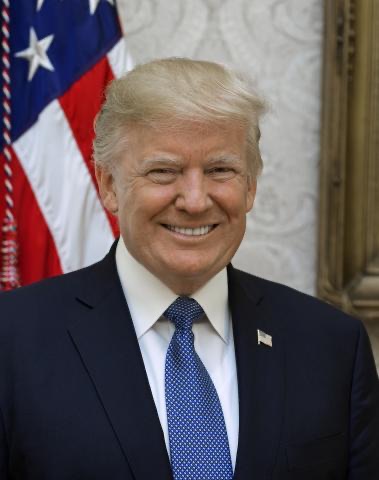
President
Minnesota Governor
ICE Agent
Minneapolis Resident, Victim
Minneapolis Mayor
ACLU Deputy Director of Immigrants' Rights Project
Pentagon Spokesman
DHS Secretary
civic action
Support the ACLU's defense of Posse Comitatus Act protections
Donate to or volunteer with the ACLU to defend constitutional limits on military involvement in domestic law enforcement. The organization prepared legal challenges against the Minnesota troop deployment and fights militarization of policing.
My name is [Name] and I'm calling to support the ACLU's work defending Posse Comitatus Act protections against military involvement in domestic law enforcement. I'm concerned about the troop readiness orders for Minnesota and want to help fund legal challenges to protect constitutional rights.
civic action
Contact your representatives about military deployment limits
Urge your representatives to oppose deploying active-duty troops for domestic law enforcement. Ask them to support legislation maintaining proper boundaries between military and civilian law enforcement authority.
My name is [Name] and I'm calling about the Pentagon troop readiness for Minnesota deployment. I urge [Representative Name] to oppose using active-duty military for domestic law enforcement and to protect Posse Comitatus Act protections that prevent militarization of civilian policing.
understanding
Learn about the Posse Comitatus Act and military-civilian boundaries
Study the Posse Comitatus Act and constitutional principles separating military and civilian law enforcement. The Brennan Center provides research on military domestic deployment limits and civil-military relations.
I'm calling to learn about the Posse Comitatus Act and military-civilian boundaries. With the troop readiness for Minnesota, I want to understand the constitutional protections that separate military and civilian law enforcement.
civic action
Support organizations documenting federal immigration enforcement tactics
Support immigrant rights organizations documenting ICE tactics and providing legal aid. These groups tracked the Minneapolis operation where 2,000 agents were deployed and Renee Good was killed.
My name is [Name] and I'm calling to support documentation of federal immigration enforcement tactics. After Renee Good's killing by ICE agent Jonathan Ross in Minneapolis, I want to help fund accountability efforts and legal support for affected communities.
understanding
Research state National Guard authority and federalization limits
Study the difference between Title 32 (state authority) and Title 10 (federal authority) for National Guard deployments. Understanding this helps you recognize when federal power threatens state sovereignty during domestic crises.
I'm calling to learn about National Guard authority and federalization. With Governor Walz keeping Minnesota's Guard under Title 32 to resist federal control, I want to understand how states maintain authority over their Guard units.