February 6, 2026
Pentagon ends all Harvard military programs over "woke" ideology

Military officers at Harvard lose Pentagon-funded graduate education
🏛️Government🎓Education
February 6, 2026
Military officers at Harvard lose Pentagon-funded graduate education
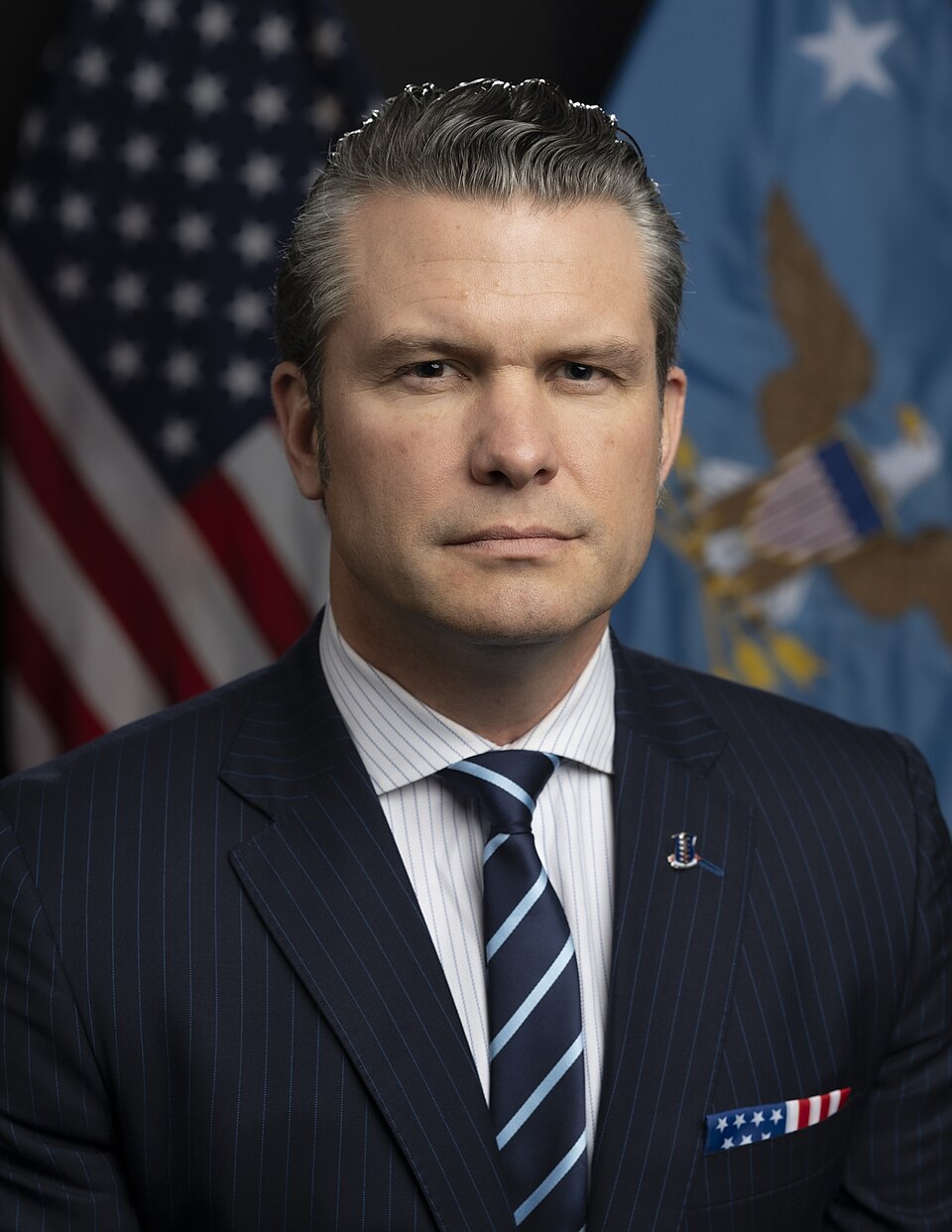
Defense Secretary  Pete Hegseth — himself a 2013 Harvard Kennedy School graduate — announced the decision on Friday, February 6, 2026, at an oath of enlistment ceremony at the base of the Washington Monument. He also posted a video to X declaring 'Harvard is woke; The War Department is not.'
Starting in fall 2026, the Pentagon will end all graduate-level professional military education, fellowships, and certificate programs at Harvard. Officers currently enrolled can complete their degrees, but no new cohorts will attend Harvard.
The programs being terminated include graduate-level professional military education, fellowships at the Kennedy School of Government, and certificate programs. The Pentagon funds these programs completely — it pays officers' full tuition, covers their housing costs, and continues their military salaries while they study. Officers remain on active duty throughout their time at Harvard.
Hegseth framed the decision in explicitly ideological terms. He said Harvard officers return with 'heads full of globalist and radical ideologies that do not improve our fighting ranks.'
In a statement, he wrote 'For too long, this department has sent our best and brightest officers to Harvard, hoping the university would better understand and appreciate our warrior class.' He added the Pentagon trains 'warriors, not wokesters.'
Hegseth also accused Harvard of partnering with the Chinese Communist Party in campus research programs, said university leadership 'celebrated Hamas, allowed attacks on Jews, and still promotes discrimination based on race in violation of Supreme Court decisions.' He described the broader Ivy League as having 'pervasive institutional bias' and a lack of viewpoint diversity, including 'the coddling of toxic ideologies.'
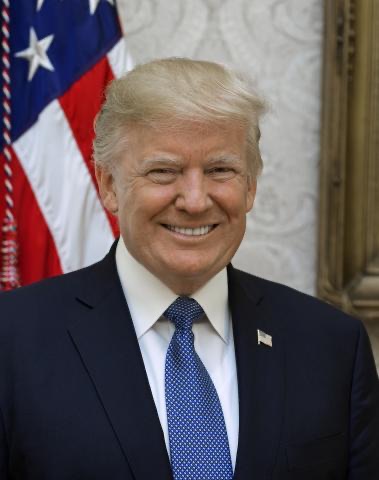
The decision follows President Trump's escalating pressure on Harvard and other elite universities. On Monday night, February 2, 2026, Trump demanded $1 billion in 'damages' from Harvard on Truth Social — a sharp increase from the roughly $500 million settlement the two sides had been negotiating. The administration has targeted universities over pro-Palestinian protests, diversity and inclusion programs, transgender policies, and climate change initiatives.
Hegseth announced he will evaluate similar programs at other Ivy League universities in coming weeks. The Pentagon currently funds military education programs at Yale, Princeton, Columbia, Cornell, Brown, Dartmouth, and the University of Pennsylvania. If Hegseth applies the same standard to other schools, he could end Pentagon funding for multiple elite university programs.
The decision demonstrates cabinet secretaries' power to reshape higher education through spending decisions
Congress appropriates the Pentagon's total education budget, but the Defense Secretary decides which specific universities receive funding
Hegseth can redirect Harvard's funding to other schools without needing congressional approval or new legislation This gives executive branch agencies direct leverage over universities' policies.
The timeline protects current students but creates uncertainty for future military officers
Personnel who have already started programs at Harvard can finish their degrees
But officers selected for Harvard programs in 2026-27 must now choose different schools The Pentagon has not announced which universities will receive the redirected funding or whether it will shift to other civilian schools or military war colleges.
Harvard's Kennedy School of Government has educated generations of military leaders in strategic thinking, international relations, and national security policy through programs like the Belfer Center's National Security Fellowship. These programs give officers exposure to civilian academic perspectives on defense policy and create professional networks with future diplomats, policymakers, and business leaders. Ending the programs removes Harvard's influence on officer education while eliminating officers' exposure to civilian analytical frameworks on military power.
civic action
Contact your representative about military education funding oversight
Congress controls the Pentagon's overall budget through annual appropriations. House and Senate Armed Services Committees oversee military education spending. Representatives can question Hegseth about ending Harvard programs during committee hearings. They can also include specific appropriations language directing the Pentagon to maintain programs at certain universities, though this requires House and Senate majorities plus the president's signature.
I am calling about Defense Secretary Hegseth's decision to end Pentagon funding for Harvard military education programs. I believe military officers benefit from exposure to diverse academic perspectives at civilian universities. Can the Representative use their Armed Services Committee role to question this decision during oversight hearings? Will they support maintaining military education programs at civilian universities? Cabinet secretaries should not use education funding as ideological leverage over universities.
civic action
Contact your senator about the Senate Armed Services Committee's oversight role
The Senate Armed Services Committee has jurisdiction over military education policy and can summon the Defense Secretary to testify. Senators can also use the annual National Defense Authorization Act (NDAA) to set requirements for military education programs, including mandating Pentagon relationships with specific types of universities.
I am calling about the Pentagon's decision to end all military education programs at Harvard University. The Senate Armed Services Committee has oversight authority over military education spending. Will the senator request that Secretary Hegseth testify about this decision and explain the criteria for cutting university programs? I want to know whether objective program quality metrics or ideological tests are being used to determine which universities receive Pentagon education funding.