February 1, 2026
Federal judge denies Minnesota's request to halt ICE operations during lawsuit

Judge Menendez finds Minnesota unlikely to win on 10th Amendment claims
February 1, 2026
Judge Menendez finds Minnesota unlikely to win on 10th Amendment claims
On Feb. 1, 2026, U.S
District Judge Katherine M
Menendez denied Minnesota Attorney General Keith Ellison's request for a temporary restraining order to halt Operation Metro Surge The state, joined by the cities of Minneapolis and St. Paul, had filed an 80-page lawsuit arguing the surge violated the 10th Amendment by forcing state cooperation with federal immigration enforcement.
Operation Metro Surge deployed 2,000 DHS agents to Minneapolis-St. Paul starting in December 2025, expanding what DHS called "the largest immigration enforcement operation ever carried out." Federal agents made more than 3,000 arrests across Minnesota, drawing criticism for warrantless arrests, aggressive clashes with protesters, and detentions of U.S. citizens.
The lawsuit followed two fatal shootings of U.S. citizens by federal agents. On Jan. 7, 2026, ICE agent Jonathan Ross fatally shot 37-year-old Renée Good while she was in her car, firing three shots as her vehicle passed him. On Jan. 24, 2026, Border Patrol agents fatally shot 37-year-old Alex Pretti, a VA intensive care nurse who had been filming agents and protesting Good's killing.
Judge Menendez acknowledged "profound and heartbreaking" consequences for Minnesota communities, citing evidence of racial profiling, excessive force, increased police overtime costs ($2 million for Jan. 8-11 alone), declining school attendance, delayed emergency responses, and severe hardship for small businesses (customer-facing businesses reporting 50-80% revenue declines).
Minnesota's lawsuit argued the federal government was commandeering state resources and undermining state sovereignty through Operation Metro Surge. Attorney General Ellison called the operation a "federal invasion" violating the First Amendment (viewpoint discrimination), 10th Amendment (state sovereignty), Equal Sovereignty Principle, and the Administrative Procedure Act.
Chief U.S. District Judge Patrick Schiltz found that ICE violated at least 96 court orders in Minnesota since January 1, 2026, documenting systematic federal violations of judicial orders. DHS Secretary Kristi Noem claimed ICE arrested "over 10,000 criminal illegal aliens" but reviews found the numbers included people transferred to federal custody before the operation began—including one person transferred in 2003.
Gregory Bovino, Border Patrol commander who led Operation Metro Surge in December 2025, was stripped of his "commander at large" title and recalled to California after Alex Pretti's killing sparked criticism within the Trump administration. Representative Robin Kelly (IL-D) introduced articles of impeachment against Kristi Noem with 140 Democratic cosponsors by January 26.
Attorney General  Pam Bondi praised the ruling as a "HUGE" legal win for the administration. Minneapolis Mayor Jacob Frey said he was "disappointed" but vowed to continue the lawsuit, stating "This decision doesn't change what people here have lived through—fear, disruption, and harm caused by a federal operation that never belonged in Minneapolis."
The ruling means federal agents can continue operating in Minnesota while the lawsuit proceeds to trial. The case tests whether federal immigration enforcement powers have geographic or tactical limits, and whether states have legal tools to push back when federal operations cause civilian deaths and systematic violations of court orders.
U.S. District Judge
Minnesota Attorney General
Minneapolis Mayor
St. Paul Mayor
DHS Secretary
Border Patrol Commander
Chief U.S. District Judge (Minnesota)
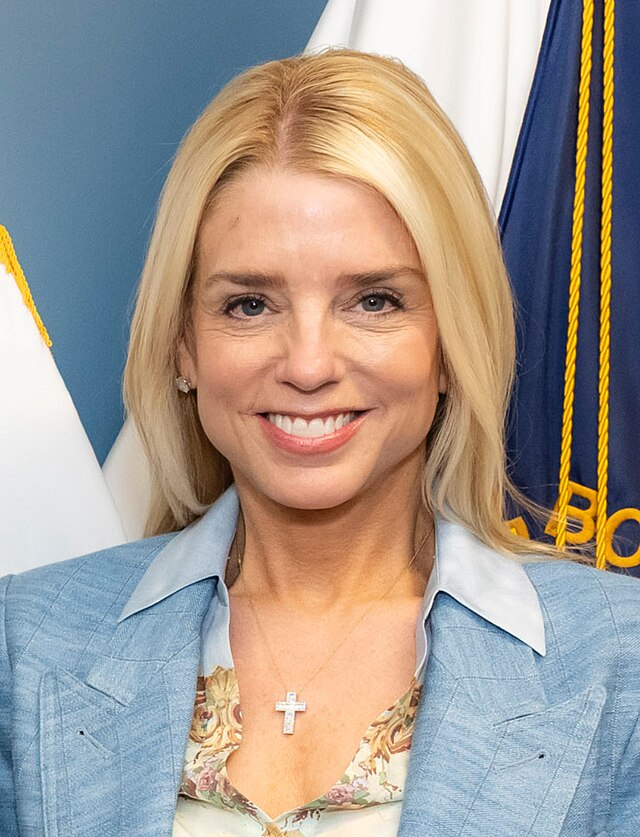
U.S. Attorney General
U.S. Citizen / Writer
U.S. Citizen / VA Nurse
civic action
Contact your U.S. senators about federal immigration enforcement oversight
Congress can require independent oversight and reporting for large-scale federal immigration enforcement operations, especially when U.S. citizens are killed and court orders are systematically violated.
Hi, my name is [NAME] and I live in [CITY, STATE]. I'm calling about Operation Metro Surge in Minnesota, where federal agents killed two U.S. citizens—Renée Good and Alex Pretti—and made over 3,000 arrests. Chief Judge Patrick Schiltz found ICE violated at least 96 court orders since January 1, 2026. A federal judge allowed the operation to continue despite evidence of racial profiling and excessive force. I'm asking [Senator NAME] to support legislation requiring independent oversight of federal immigration enforcement operations that deploy thousands of agents to U.S. cities. Can you tell me the Senator's position on oversight of federal immigration enforcement?
awareness
Monitor the ongoing Minnesota lawsuit as it proceeds to trial
The denial of the restraining order does not end the lawsuit. The case will proceed to determine whether the federal government violated the 10th Amendment by commandeering state resources and undermining state sovereignty. This case could establish important precedents for state powers against federal operations.
civic action
Document and report immigration enforcement incidents to civil rights organizations
Civil rights organizations track patterns of immigration enforcement abuses and can bring legal challenges when federal agents violate constitutional rights. Chief Judge Schiltz's finding of 96+ court order violations shows the importance of documentation.
civic action
Support local governments challenging federal overreach
Minneapolis and St. Paul joined Minnesota's lawsuit despite significant legal costs. Local officials report businesses lost 50-80% revenue, police worked 3,000+ overtime hours, and schools went remote. Contact your city officials to express support for their legal challenges to federal operations causing community harm.