Trump announces 10-day Israel-Lebanon ceasefire, Netanyahu shocked by terms
Netanyahu blindsided as Trump unilaterally brokered ceasefire, bypassing Senate
🌍Foreign Policy📜Constitutional Law🛡️National Security🏛️Government
Netanyahu blindsided as Trump unilaterally brokered ceasefire, bypassing Senate
President Trump announced the ceasefire on April 16, 2026, after calling Netanyahu on Wednesday evening and Aoun overnight. Trump directed Secretary of State  Marco Rubio and Vice President JD Vance to work with both governments. The ceasefire took effect at 5 p.m. ET (midnight local time in Beirut) the same day.
Israeli media reported that Netanyahu called an emergency Security Cabinet meeting to discuss the ceasefire as Trump announced it on social media, before Netanyahu could formally brief his ministers. Netanyahu told his cabinet he had agreed at Trump's request to advance the agreement discussed at the ambassadors meeting in Washington on Tuesday, the first direct Israel-Lebanon talks in over 30 years.
The ceasefire terms, released by the State Department, specify that Israel maintains the right to defend itself at any time against planned, imminent, or ongoing attacks, while pledging not to carry out offensive military operations against Lebanese targets. Netanyahu announced that Israeli forces will remain in a reinforced security buffer zone extending 10 kilometers into southern Lebanon, broader than the 5-kilometer zone from the November 2024 ceasefire.
Netanyahu said Hezbollah demanded two conditions: full Israeli withdrawal and a quiet-for-quiet model. He stated Israel agreed to neither. The ceasefire agreement states it may be extended by mutual agreement if Lebanon demonstrates its commitment to preventing Hezbollah attacks.
Lebanon has reported more than 2,000 people killed in the six-week conflict, with over 1 million people displaced. That is roughly one in five of Lebanon's 5.8 million residents. Among the dead are 260 women and 172 children, with 7,185 wounded according to Lebanon's Health Ministry.
Israel issued mass evacuation orders covering 1,500 square kilometers, about 14 percent of Lebanon, including all areas south of the Litani River, parts of Beirut's southern suburbs, and sections of the Bekaa Valley. The displacement has overwhelmed Lebanon's shelter system, with over 122,000 people in 663 collective shelters.
Hezbollah said it would cautiously adhere to the ceasefire only if Israel stops all attacks and does not use the period for assassinations. Hezbollah lawmaker Ibrahim al-Moussawi stated the group would participate on condition that any ceasefire be comprehensive across all Lebanese territory.
Hezbollah continued firing rockets at northern Israel right up to the ceasefire deadline, with air raid sirens in Israeli border towns less than 10 minutes before the midnight start time. The group asserted that Israeli occupation of Lebanese land gives Lebanon the right to resist, suggesting it may resume operations if the ceasefire breaks down.
The ceasefire is an executive agreement brokered by the U.S. president, not a treaty requiring Senate ratification. Trump negotiated directly with Netanyahu and Aoun through phone calls. The State Department released a six-point memorandum of understanding, not a treaty submitted to the Senate. This reflects the president's Article II authority to conduct foreign affairs and negotiate executive agreements on temporary matters like ceasefires.
The distinction matters constitutionally because treaties require Senate approval by two-thirds vote, while executive agreements rest solely on presidential authority. Congress was not consulted on the ceasefire terms. This raises the question of whether the president can use a series of temporary executive agreements to build a permanent peace architecture while permanently bypassing the Senate.
Trump invited Netanyahu and Aoun to the White House for what he called the first meaningful talks between the countries since 1983. The ceasefire is explicitly temporary, only 10 days, and Trump suggested he would extend it if negotiations showed progress.
The State Department stated that Lebanon must take meaningful steps to prevent Hezbollah and all other armed groups from conducting attacks. Hezbollah operates independently from the Lebanese government and has rejected direct involvement in negotiations. This creates an enforcement gap: the ceasefire commits the Lebanese government to actions only partially within its control.
The diplomatic sequence took about 24 hours and bypassed normal diplomatic protocols. On April 15, Israel and Lebanon held the first direct ambassadors meeting in Washington in decades. On April 16 morning, Trump called both leaders to finalize the deal. Trump then announced the ceasefire on Truth Social before Netanyahu could formally brief his cabinet.
This rapid approach through presidential phone calls rather than formal diplomatic cables meant many officials learned of the ceasefire through media. Netanyahu's security cabinet ministers expressed frustration at being bypassed. The approach prioritized speed and presidential control over institutional consultation.
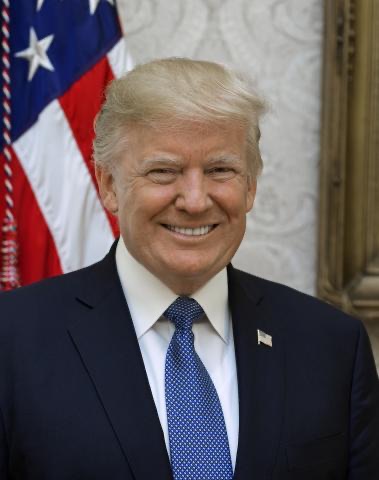
President of the United States
Prime Minister of Israel
President of Lebanon since January 2025
Secretary of State
Vice President
Hezbollah lawmaker and spokesman
civic action
Contact your representative to demand Congress reassert war powers authority over ceasefire negotiations
The president unilaterally negotiated a ceasefire affecting a regional war without Senate or House authorization. Congressional war powers authority erodes when the president can announce ceasefires without legislative consultation.
Hello, I'm calling about the Israel-Lebanon ceasefire announced by President Trump on April 16. The president negotiated this as an executive agreement without consulting Congress or holding a war powers vote. Congress has constitutional authority over war and peace under Article I. Can you tell me your position on reasserting congressional authority over ceasefire negotiations? Will you support legislation requiring Congress to vote before the president extends or converts this ceasefire into a permanent peace agreement?
civic action
Write to your senator demanding any permanent Israel-Lebanon peace agreement go through Senate ratification
Trump used an executive agreement for this ceasefire. Any permanent peace agreement must require Senate ratification as a treaty. Executive agreements are meant for temporary arrangements; permanent peace requires Senate approval.
Hello, I'm contacting you about the Israel-Lebanon ceasefire announced April 16. If Trump negotiates a permanent peace agreement between Israel and Lebanon, it must be submitted to the Senate as a treaty and require a two-thirds vote for ratification. The Treaty Clause exists to prevent the president from making permanent international commitments without Senate consent. Will you commit to requiring any permanent Israel-Lebanon peace agreement to go through the Senate treaty process?
civic action
Follow the 10-day ceasefire period and contact your representative about war powers if it is extended or violated
The ceasefire expires around April 26. If Trump extends it without congressional authorization, that pattern shows presidential power expanding beyond constitutional limits. Track whether the ceasefire holds and whether Congress demands a say in any extension.
Hello, I'm following the Israel-Lebanon ceasefire announced April 16. It expires around April 26. I want to know: will Congress hold a vote on whether to authorize U.S. involvement in enforcing this ceasefire? Will there be hearings on the president's authority to extend it unilaterally? The American people deserve congressional oversight of presidential decisions that affect regional wars.