March 10, 2026
Iran threatens to block all Middle East oil; Trump weighs Russia sanctions relief
The diplomatic maneuvering shows how the Iran war affects global energy markets and alliances
⚡Energy🌍Foreign Policy🛡️National Security
March 10, 2026
The diplomatic maneuvering shows how the Iran war affects global energy markets and alliances
"The Strait of Hormuz is 21 miles wide at its narrowest point, squeezed between Oman's northern coast and Iran's southern shore. Through that channel flows roughly 21 million barrels of oil every day — about 20 percent of global petroleum consumption — along with 25 percent of the world's liquefied natural gas trade. There is no viable alternative route for most of it. The pipelines that bypass Hormuz can carry a fraction of the volume, and rerouting tankers around the Arabian Peninsula adds weeks and significant cost to every shipment.\n\nIran has threatened to close the strait twice before — during the 1980s Iran-Iraq War and again in 2012 during nuclear tensions with the Obama administration — and failed to execute either time. The Islamic Revolutionary Guard Corps controls the anti-ship missile batteries and fast-attack boat fleets that would be needed to make a closure real. Their March 10, 2026 threat was the most direct since 2012, issued while U.S. and Israeli aircraft were conducting active strikes on Iranian military and nuclear facilities — a context that made it harder to dismiss as posturing."
"The Strategic Petroleum Reserve is a U.S. government stockpile of crude oil held in underground salt caverns in Louisiana and Texas. Congress created it in 1975 after the 1973 Arab oil embargo left American consumers waiting in gas lines for hours — a direct response to the danger of being dependent on foreign oil with no emergency buffer.\n\nAt full capacity the SPR holds about 714 million barrels. By early 2026, partial Biden-era drawdowns used to manage price spikes after Russia's invasion of Ukraine had reduced the reserve significantly, and it hadn't been fully replenished. Energy Secretary  Chris Wright confirmed on March 9 that the administration was evaluating a release, framing it as one of several tools available to stabilize prices if Iran followed through on its closure threat. A release requires no congressional approval — it's a unilateral executive decision under the Energy Policy and Conservation Act, one of the few energy tools a president can deploy immediately without a vote."
"The Russia angle was the most politically combustible dimension of the energy crisis. Since Russia's February 2022 invasion of Ukraine, the Biden administration — with the EU and G7 — had built a sanctions architecture specifically designed to cap Russian oil revenue and limit Moscow's ability to fund its war. Relaxing those sanctions to offset Iranian supply losses would directly benefit the same government that, as Sen. Sheldon Whitehouse detailed on the Senate floor on March 7, was simultaneously feeding Iran satellite targeting data on U.S. troops and ships.\n\nTrump spoke with Putin on March 9. Three Reuters sources confirmed that Russia oil sanctions relief came up in the call, with a possible announcement expected within days. India had recently agreed to stop buying Russian oil as part of a bilateral trade deal with Washington — a significant diplomatic concession that a sanctions reversal would immediately undercut. The contradiction was stark: the administration was considering rewarding Moscow economically at the precise moment Russia was helping Iran kill American service members."
"Trump's warning to Israel on March 10 — delivered privately through diplomatic channels and later confirmed by administration officials — was to avoid striking Iranian oil and energy infrastructure. The warning reflected the administration's own internal assessment of what officials were calling a 'doomsday scenario': Israeli strikes on Iranian oil facilities combined with an IRGC Hormuz closure producing a simultaneous supply shock that would hit every oil-importing nation at once.\n\nGas prices in the U.S. had already risen 14 percent in the war's first week. Oil had climbed toward $120 a barrel before Trump's Sunday CBS interview — in which he said the war was 'very complete, pretty much' — sent prices back down to $86. The market was tracking his statements in real time, which explained why aides later said his contradictory public messaging about the war's duration was partly deliberate: managing energy markets, not just public opinion.\n\nSaudi Arabia, the UAE, and Kuwait — whose own export revenues would be devastated by a Hormuz closure — had refused to allow the U.S. to use their bases for Iran strikes. That refusal gave the Gulf states a degree of leverage over American military operations they hadn't previously exercised, and their economic interests were now aligned with keeping the strait open regardless of which side they nominally supported."
"Pakistan's decision to deploy warships to escort its own merchant vessels through the strait captured something the official Washington debate was missing: the countries that couldn't rely on U.S. naval protection were already making independent arrangements.\n\nThe United States Navy guarantees the security of the global oil transit system — and oil is priced in U.S. dollars specifically because of that guarantee. The petrodollar relationship isn't just an economic convenience; it's what makes the dollar the world's reserve currency and gives Washington the ability to impose sanctions that actually hurt. Every time a country builds an alternative arrangement — its own escorts, its own bilateral agreements, its own non-dollar payment systems — it's a small erosion of the foundation that makes American financial power work.\n\nThe Iran war was putting that system under its most direct test in decades. Pakistan wasn't an adversary. It was simply a country doing the math."
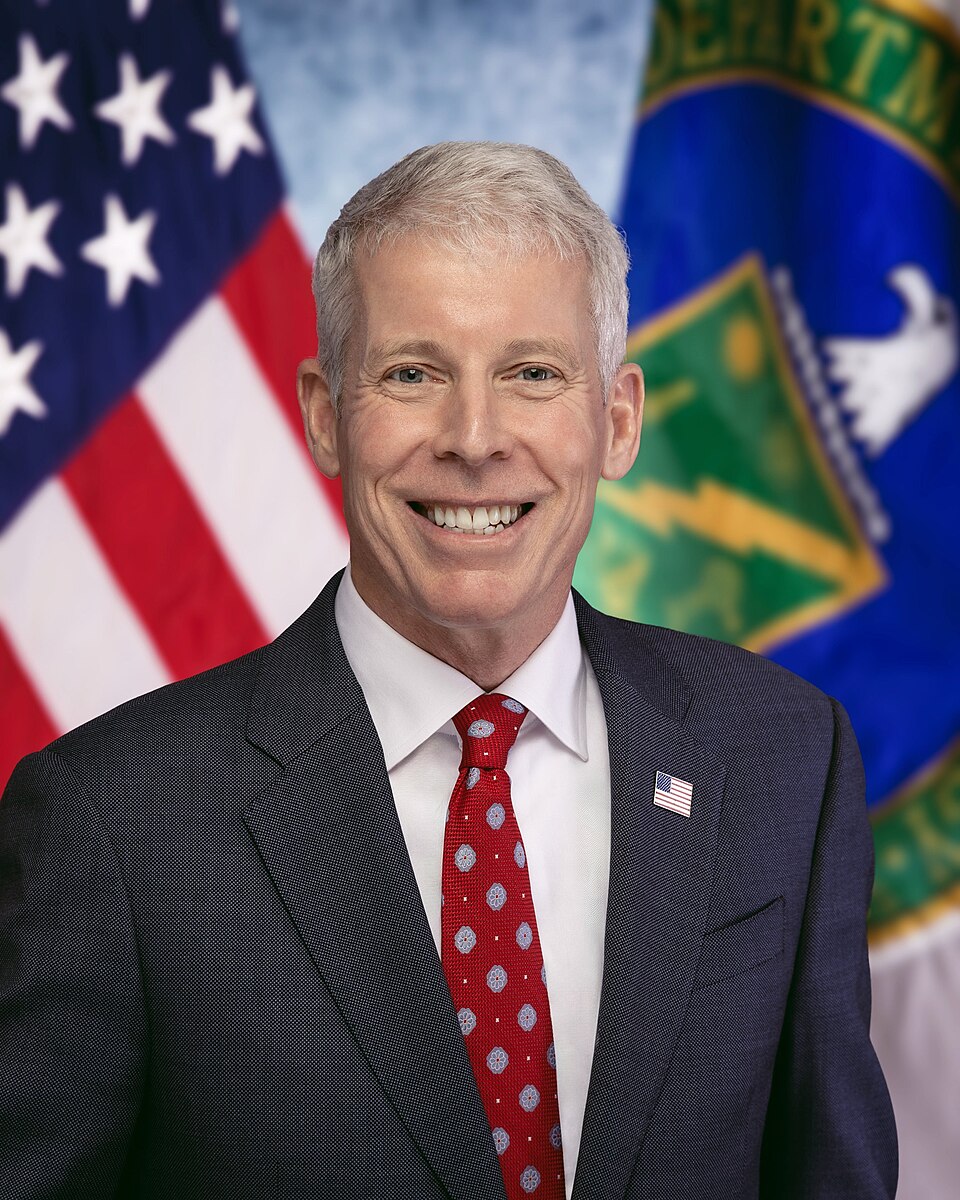
Secretary of Energy
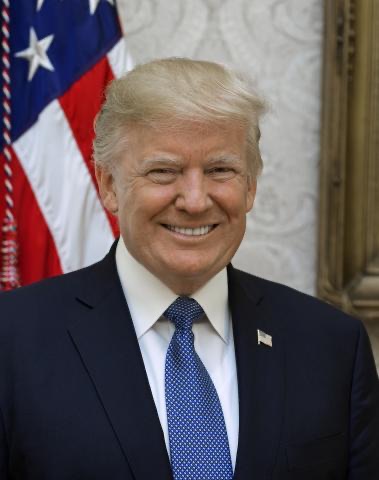
President
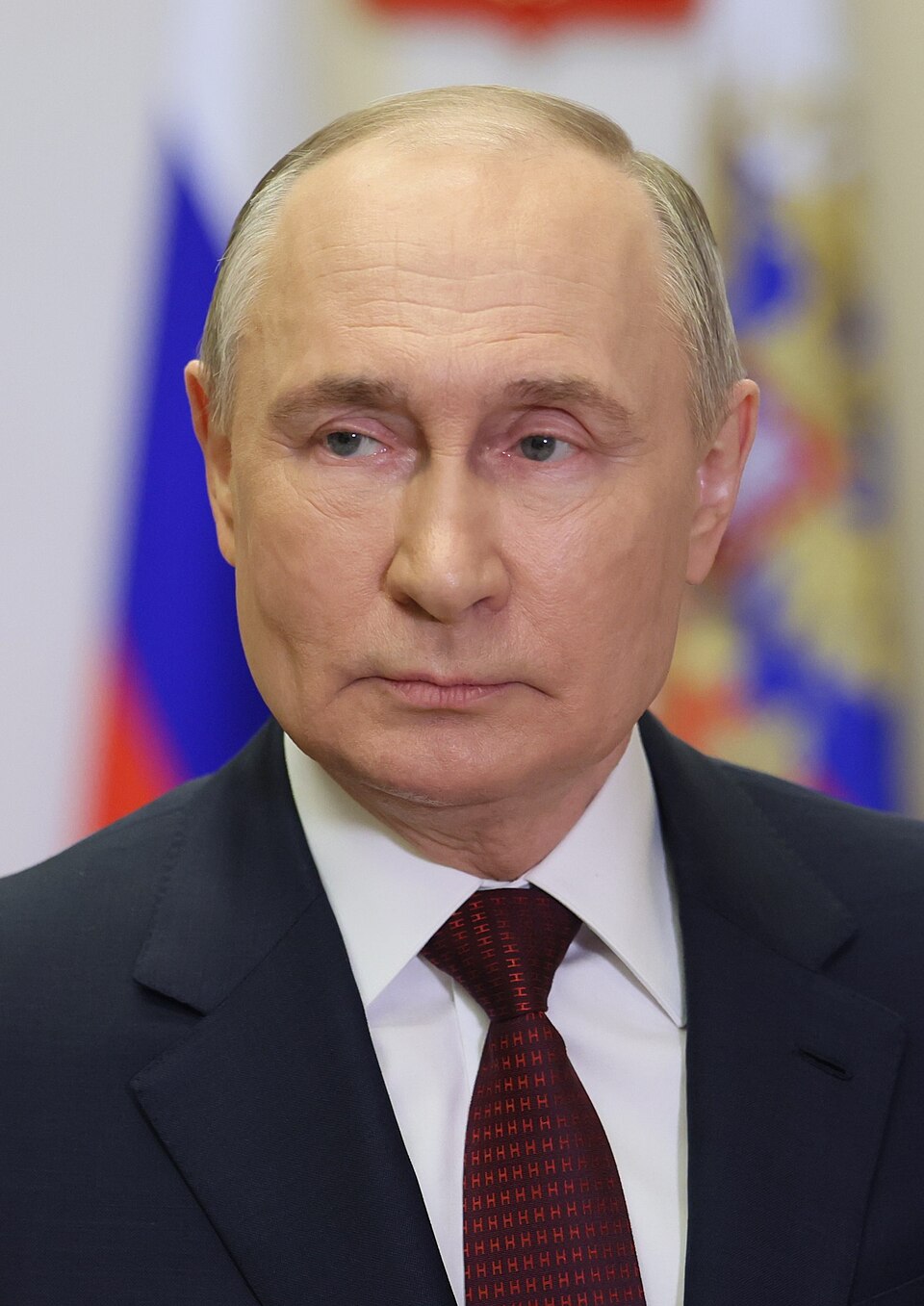
President of Russia
Prime Minister of India
Commander-in-Chief, Islamic Revolutionary Guard Corps
research
Track Strategic Petroleum Reserve levels at the EIA
The EIA publishes weekly Strategic Petroleum Reserve levels. Tracking the drawdown teaches you how the president uses this executive tool and what reserve cushion remains for future emergencies — all without any congressional approval.
Go to eia.gov and search Strategic Petroleum Reserve. Look at the weekly stock data to see current levels and how they compare to the post-Biden baseline. Read the EIA's analysis of Hormuz closure scenarios and what U.S. import exposure looks like at current reserve levels. This is the data the Energy Secretary uses when evaluating SPR release options.
civic action
Contact your senator about Russia oil sanctions and U.S. energy policy
Russia was feeding Iran satellite targeting data on U.S. troops while the administration considered relaxing Russia oil sanctions. Demand your senator oppose Russia sanctions relief that benefits Moscow while it enables attacks on American forces.
Hello, I am [NAME], a constituent from [CITY/STATE]. I am calling about the administration's consideration of relaxing Russia oil sanctions during the Iran war.
Key concerns:
Questions to ask:
Specific request: I am asking Senator [NAME] to publicly oppose Russia oil sanctions relief and to support Senate Foreign Relations Committee oversight of executive sanctions policy during the Iran war.
Question: What is the Senator's position on Russia sanctions and the Iran war energy policy tradeoffs?
Thank you for your time.
research
Read EIA analysis on Strait of Hormuz closure impacts
The EIA has published analysis of what a full Hormuz closure would mean for global oil markets, price impacts, and U.S. supply alternatives. Reading it teaches you the real economic stakes behind the military and diplomatic standoff.
Go to eia.gov and search 'World Oil Transit Chokepoints.' Read the section specifically on Hormuz closure scenarios. They model price impacts at different duration assumptions and estimate alternative supply options. This is the analysis informing whether to send U.S. warships into the strait as escorts.