March 4, 2026
Warren warns Iran war "so much worse than you thought" after classified briefing


Senators leave same briefing with opposite public messages on Iran war''s status
🌍Foreign Policy🛡️National Security🏢Legislative Process
March 4, 2026
Senators leave same briefing with opposite public messages on Iran war''s status
"Sen.  Elizabeth Warren (D-MA) demanded an urgent classified briefing on Iran war intelligence on March 1, 2026, just two days after Operation Epic Fury began. Warren expressed alarm about the administration's legal justification for unilateral military action.\n\nHer request came after the administration notified Congress only after strikes had already begun, raising constitutional questions about presidential war powers. Warren, a constitutional law professor before entering politics, framed her concerns in terms of both legal precedent and national security oversight."
"Warren questioned whether Trump had exceeded his Article II commander-in-chief authority by launching the largest U.S. military operation since the 2003 Iraq invasion without congressional authorization. She emerged from the classified briefing declaring: "It is so much worse than you thought. You are right to be worried. Trump Administration has no plan in Iran."\n\nThe Massachusetts senator called the war "illegal" and "based on lies," stating: "This illegal war is based on lies and it was launched without any imminent threat to our nation." Her stark assessment shocked even seasoned congressional observers."
"Senate Intelligence Committee leaders Mark Warner (D-VA) and  Marco Rubio (R-FL) supported the briefing, recognizing that even members of the president's own party needed access to the underlying intelligence. Their bipartisan support demonstrated the seriousness of the constitutional questions raised by the unilateral military action.\n\nThe Gang of Eight briefing included the four congressional leaders from both parties and the four intelligence committee chairs, representing the most senior members with access to the nation's most sensitive intelligence information."
"The Gang of Eight received the classified briefing on March 1, two days after Operation Epic Fury began. The briefing included senior leaders from both parties and both chambers of Congress.\n\nThe timing highlighted how even the limited consultation required by law had been delayed until after military operations were already underway. Warren and fellow Massachusetts Sen. Ed Markey both walked out of the briefing calling for the war to end immediately."
"Intelligence officials presented evidence of Iranian threats but faced tough questions about war legality and the lack of congressional authorization. Briefers acknowledged that the intelligence about imminent Iranian threats had been available for weeks but had not been shared with Congress before the strikes.\n\nThe intelligence gaps raised questions about whether the administration had fully understood the risks before launching the operation, or whether it had deliberately withheld information to avoid congressional oversight."
"The briefing revealed gaps in intelligence about Iran's response capabilities. Officials admitted they were surprised by the sophistication and scale of Iran's cyber and conventional responses.\n\nThe intelligence gaps were particularly alarming given Warren's background as a Harvard Law School professor who had taught constitutional law. Her assessment that the administration had "no plan" carried unusual weight given her expertise in legal and regulatory frameworks."
"Senators raised concerns about escalation risks and lack of clear exit strategy. Multiple participants in the briefing questioned how the administration defined "victory" or what conditions would end U.S. involvement.\n\nWarren specifically criticized Trump for not giving "a single clear reason for this war, and he seems to have no plan for how to end it either." Her comments came as Secretary of State Marco Rubio claimed the U.S. faced an "imminent threat" from Iran."
"Warren specifically questioned the constitutional basis for not seeking congressional authorization. She cited precedents from Korea, Vietnam, Iraq, and Afghanistan where presidents had gradually expanded military operations without initial congressional approval.\n\nHer line of questioning suggested she was considering whether to seek judicial intervention or legislative remedies, telling reporters: "This illegal war is based on lies" after leaving the classified briefing."
"The classified nature of the briefing limited public disclosure of key intelligence findings. Senators who emerged from the session were careful not to reveal specific details about Iranian capabilities or U.S. war plans.\n\nWarren nonetheless provided enough information to indicate that the administration had presented shifting justifications for the war, moving from alleged assassination plots to nuclear threats and regime change without providing consistent evidence."
"Warren emerged as a leading voice demanding congressional oversight of the Iran conflict. She convened a meeting of constitutional law scholars and former national security officials to discuss potential legislative responses.\n\nThe effort signaled that Democratic opposition to the war would focus on process and constitutional questions rather than just policy disagreements, with Warren using her legal background to frame the debate in constitutional terms."
"The briefing process itself became controversial when it was revealed that some members of the Gang of Eight had received more detailed information than others. The uneven briefings suggested the administration was playing favorites even within the limited congressional leadership consultation required by law.\n\nThe incident highlighted ongoing tensions between executive branch secrecy and congressional oversight powers, with Warren warning that the administration's lack of transparency posed a threat to constitutional governance itself."

U.S. Senator (D-MA), Senate Armed Services and Banking Committees
U.S. Senate Minority Leader (D-NY)
U.S. Senate Majority Leader (R-SD)
U.S. Representative (D-WA), Chair, Congressional Progressive Caucus

U.S. Senator (D-NJ), Army veteran, Member, Senate Armed Services Committee
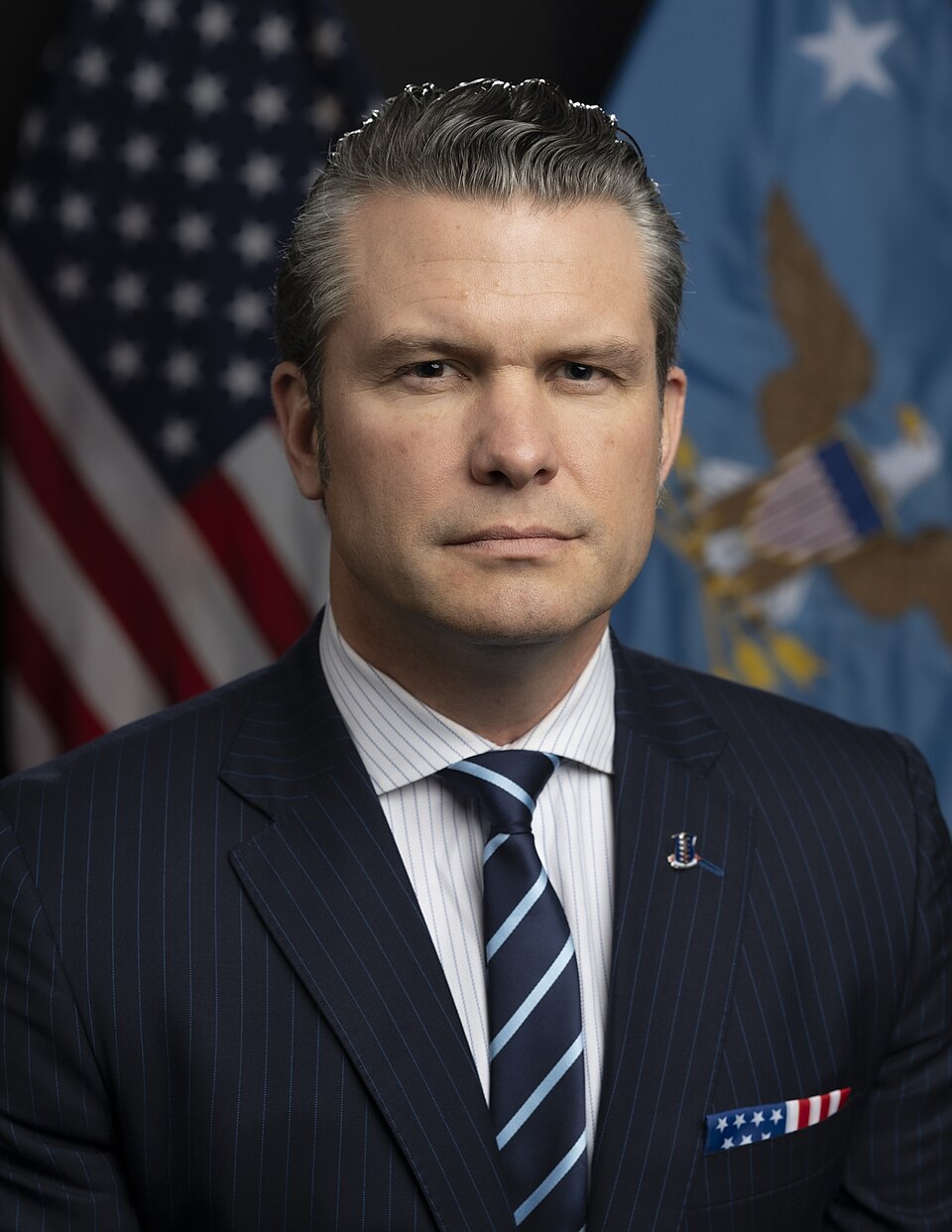
Secretary of Defense
U.S. Secretary of State
U.S. Senator (D-VA), Ranking Member, Senate Intelligence Committee
Former Director of National Intelligence (2010–2017)
Congressional oversight body for U.S. intelligence community
civic action
Contact your senators and demand public declassification of key Iran war facts
Senators can request that the executive branch declassify specific facts about the Iran war — including the intelligence assessment of why the war was necessary, the current operational status, and the projected cost. While classification decisions rest with the executive, public pressure on senators creates a record of demand.
Hello, I am [NAME], a constituent from [CITY/STATE]. I'm calling about the classified briefings on the Iran war.
Key concerns:
Questions to ask:
Specific request: I am asking Senator [NAME] to formally request declassification of the intelligence assessment that justified Operation Epic Fury.
Question: Does Senator [NAME] believe the American public has a right to know why this war was launched?
Thank you.
research
Read the Senate Intelligence Committee's Iraq WMD report for historical context
The Senate Intelligence Committee's 2004 report on pre-war Iraq intelligence found that classified briefings were used to build congressional consensus around weapons of mass destruction claims that turned out to be wrong. Reading that report provides historical context for evaluating how classified briefings can be weaponized to build support for wars.