March 3, 2026
900 Google and OpenAI workers demand employers keep AI ethics limits on military use
Tech workers invoke 2018 Maven cancellation and demand Google repeat it
🤖AI Governance👷Labor🔒Digital Rights
March 3, 2026
Tech workers invoke 2018 Maven cancellation and demand Google repeat it
"The letter arrived on March 3, 2026, signed by more than 900 employees of Google and OpenAI, and it landed in same week that Anthropic CEO Dario Amodei had refused Pentagon demands for mass civilian surveillance and autonomous lethal targeting without human authorization. Letter, titled We Will Not Be Divided, called on both companies to commit to four specific red lines: no development of AI systems designed to target civilians, no autonomous weapons systems without human authorization per specific targeting decision, no mass warrantless surveillance infrastructure, and no AI tools designed to suppress political dissent. Its release was timed to coincide with Congressional hearing on AI and national security at which Amodei was scheduled to testify, and its drafters used Signal-based coordination after noting that internal Slack channels were being monitored following Google 2023 firing of organizers who used internal tools to coordinate previous protests."
"The trigger was cascade of decisions in preceding week. On February 27, 2026, OpenAI CEO Sam Altman announced Pentagon military AI contract. Two days later, Trump signed executive order declaring Anthropic a national security supply chain risk, designation previously used only for foreign adversaries like Huawei, in apparent retaliation for Amodei refusal to sign surveillance and autonomous weapons contracts. Pentagon officials used Anthropic AI tools in Iran strike targeting on same day Trump banned company, contradiction that Amodei described as evidence of institutional incoherence at Defense Department. By March 3, Altman had acknowledged Anthropic ban set extremely scary precedent in internal memo, while simultaneously holding Pentagon contract his own company had just signed."
"The Google dimension ran deeper than OpenAI story. In 2018, thousands of Google employees signed petition opposing Project Maven, Pentagon AI targeting contract, and CEO Sundar Pichai declined to renew it, publishing AI ethics principles pledging Google would never develop weapons AI. By 2025, Pichai had quietly dropped those pledges and was pursuing new classified Pentagon contracts. Google Chief Scientist Jeff Dean posted on March 3 that mass surveillance violates Fourth Amendment, unusual constitutional assertion for senior executive whose company was simultaneously in active defense contract negotiations. 900 employees figure understates signal significance: it represented workers at two most powerful AI companies on Earth, in week their products were being used in active military combat operations, drawing line their own CEOs had not drawn."
"The political accountability mechanism around AI weapons deployment is almost entirely absent. Rep. Ted Lieu (D-CA), who co-sponsored Algorithmic Accountability for National Defense Act requiring human authorization in each specific targeting decision, noted that Congress had never passed binding law on AI weapons. Geneva Conventions prohibit weapons that cannot distinguish combatants from civilians, prohibition that autonomous targeting systems may violate in ways courts have not yet adjudicated. Liz O Sullivan, technology director of Campaign to Stop Killer Robots, told reporters that without binding treaty law or US legislation, corporate ethical red lines are only near-term barrier between us and fully autonomous lethal weapons. Employees who signed March 3 letter were, in that framework, doing something historically significant: acting as informal international humanitarian law compliance mechanism inside private corporations, because no formal mechanism existed."
CEO, Anthropic
CEO, OpenAI
Chief Scientist, Google DeepMind
CEO, Alphabet (Google's parent company)
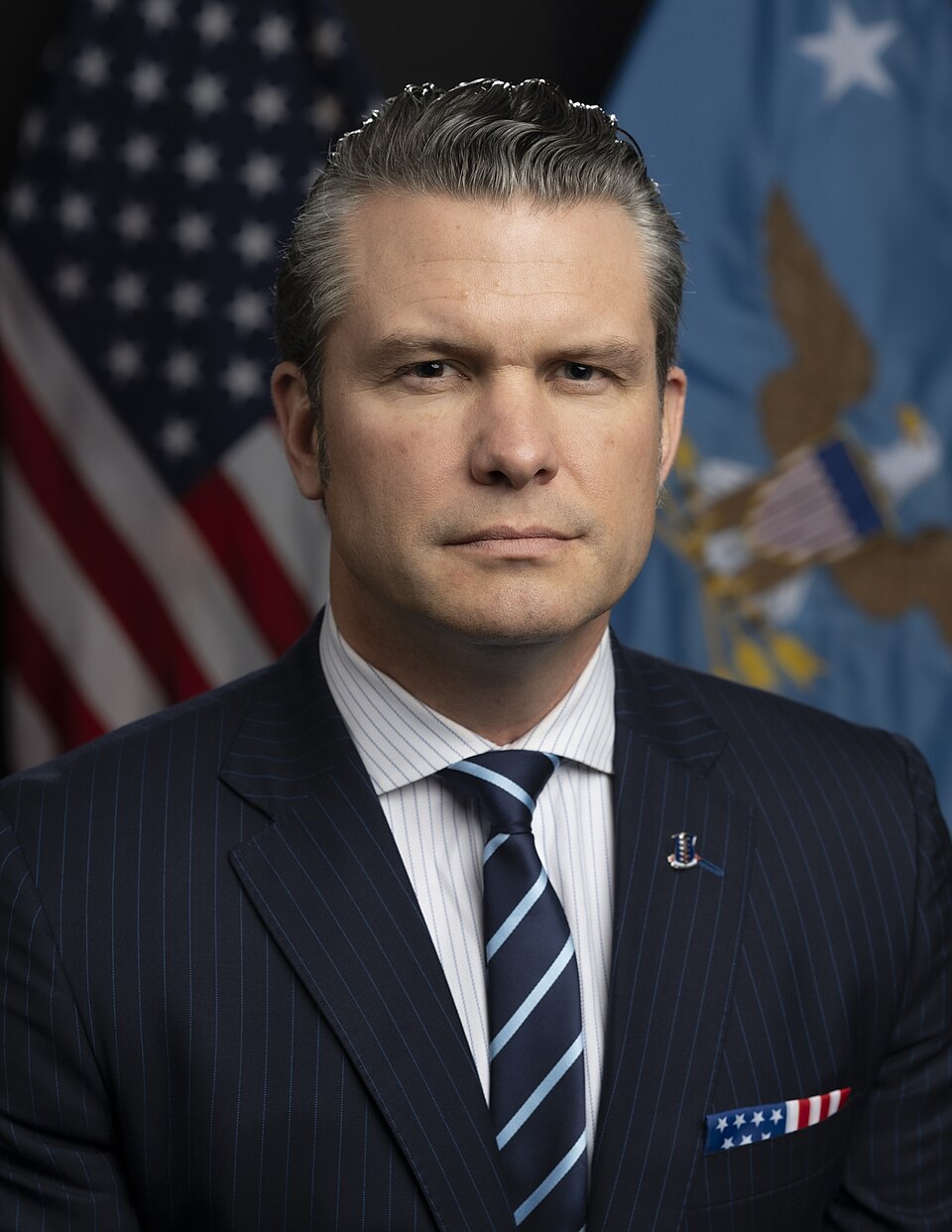
Secretary of Defense
U.S. Representative (D-CA), House Judiciary Committee
President, Signal Foundation; former Google AI ethics researcher
Technology Director, Campaign to Stop Killer Robots
CEO, Alphabet/Google
U.S. Representative (D-CA), House Judiciary Committee; computer science graduate
CEO, Alphabet/Google
U.S. Representative (D-CA), House Judiciary Committee; computer science graduate