June 26, 2024
Supreme Court reshapes online speech rights
Murthy v. Missouri limits standing to challenge platform moderation
📜Constitutional Law🎓Education
June 26, 2024
Murthy v. Missouri limits standing to challenge platform moderation
 James Madison pushed for explicit speech protections in 1789 after Anti-Federalists feared federal censorship.
The Supreme Court first narrowed that promise in Schenck v. United States in 1919 when Justice Oliver Wendell Holmes endorsed 'clear and present danger' and justified jailing antiwar speakers.
Marginalized movements from civil rights sit-ins to LGBTQ advocates pressed the First Amendment and met police violence and official bans.
Brandenburg v. Ohio in 1969 created the 'imminent lawless action' test and returned broader protection for advocacy absent immediate violence.
The pattern repeats: officials expand control in crises, courts then recalibrate doctrine, and activists push the boundary again.
In 2024–2025 Murthy v. Missouri (Jun. 26, 2024), Moody v. NetChoice (Jul. 1, 2024) and Lindke/O'Connor-Ratcliff (Mar. 15, 2024) reshaped who controls online speech.
Platforms, state attorneys general and Congress benefit from greater levers over distribution while street medics, campus protesters and small creators lose reach and safety.
The next battle centers on remanded content-moderation suits, TikTok divestment rules and new state laws that explicitly name platforms.
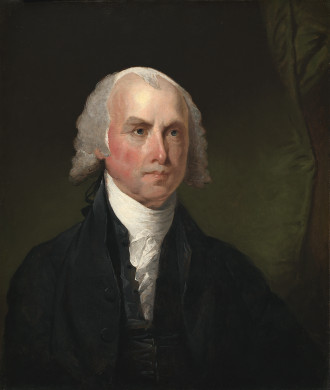
Framer and principal author of the Bill of Rights
Associate Justice, U.S. Supreme Court
Plaintiff in a landmark free-speech case
U.S. Surgeon General
Missouri attorney general

Florida attorney general
Trade association for online platforms
Platform and foreign parent company
Associate Justice, U.S. Supreme Court
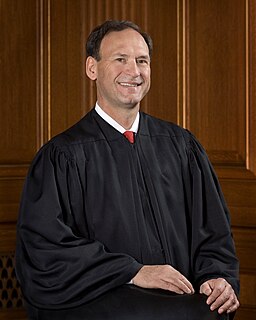
Associate Justice, U.S. Supreme Court
Plaintiff